
Loading, please wait...


LOT 0130
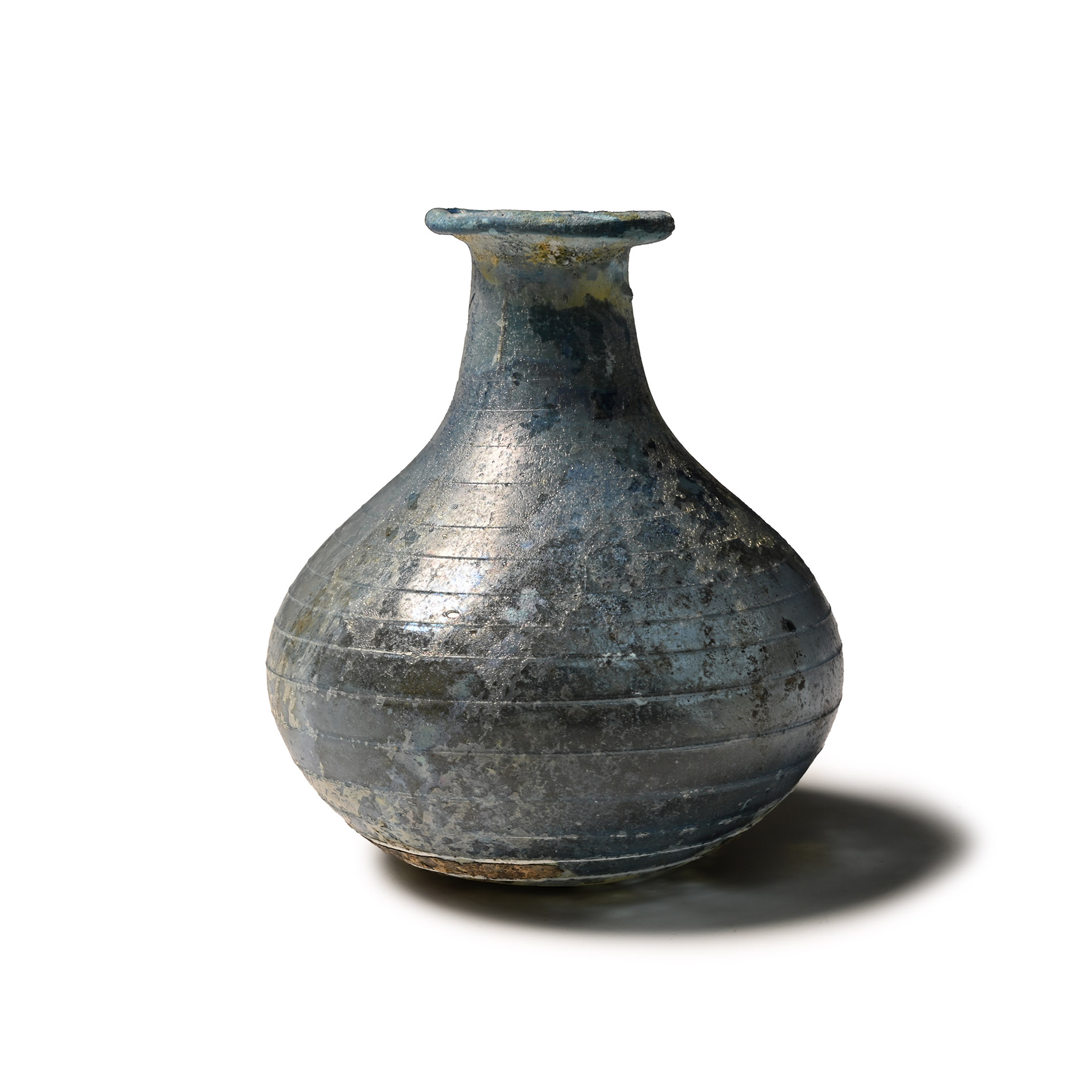
Roman Blue Glass Flask with Trail
3RD-4TH CENTURY A.D.
2 3/8 in. (8 grams, 62 mm).
Piriform in profile with slight dimple to base, squat body, tubular neck with flared and rolled mouth; fine applied spiral trail from shoulder to base.
ProvenanceFrom an important London, UK, collection, 1970-1990s.
LiteratureCf. Whitehouse, D., Roman Glass in the Corning Museum of Glass, vol.2, New York, 2001, item 621, for type.
CONDITIONTimeLine Auctions follows a vetting process to ensure the authenticity and legality of all items, reinforcing our commitment to integrity and responsible trading. Each antiquity, antique, and coin lot undergoes thorough examination by a vetting committee of at least ten external specialists, professional trade association members, scientists, and archaeologists: Our Vetting Process
AUCTIONS:
TimeLine is a leading auction house specialising in antiquities, ancient art, collectables, natural history, coins, medals, and books. Our auctions offer museums, collectors, historians, and enthusiasts the opportunity to acquire unique and historically significant pieces.
-
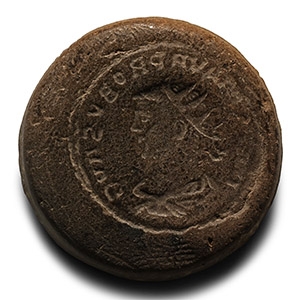
Roman Bifacial Terracotta Forger's Coin Mould
1st-4th century A.D.Sold for (Inc. bp): £520
Discoid in plan, both sides with a radiate profile bust of an emperor, legend surrounding. 4.9 grams, 27 mm
From the collection of a gentleman, acquired on the London art market in the 1990s. -
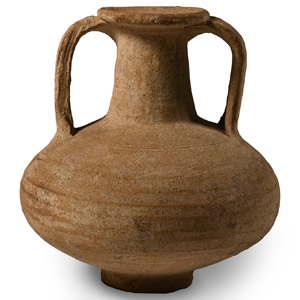
Roman Ribbed Terracotta Jar with Handles
1st-2nd century A.D.Sold for (Inc. bp): £85
With squat toroid body, low foot, trumpet-shaped mouth flanked by strap handles; ribbed detailing to the equator and handles. 530 grams, 15.3 cm
From a family collection mostly formed in the 1940s-1950s, thence by descent. -
.jpg)
Romano-British Bronze Chariot Terret Ring
Circa 1st century A.D.Sold for (Inc. bp): £176
Comprising a substantial ring mounted on a short neck with tiered collars and facetted flared flange below; three radiating carinated knops, loop to the underside. 76.36 grams, 70.36 mm overall, 21.92 mm internal diameter (approximate size British V, USA 10 1/2, Europe 23.77, Japan 22)
Found Thetford, Norfolk. From an East Anglian private collection.
