
Loading, please wait...
LOT 0837
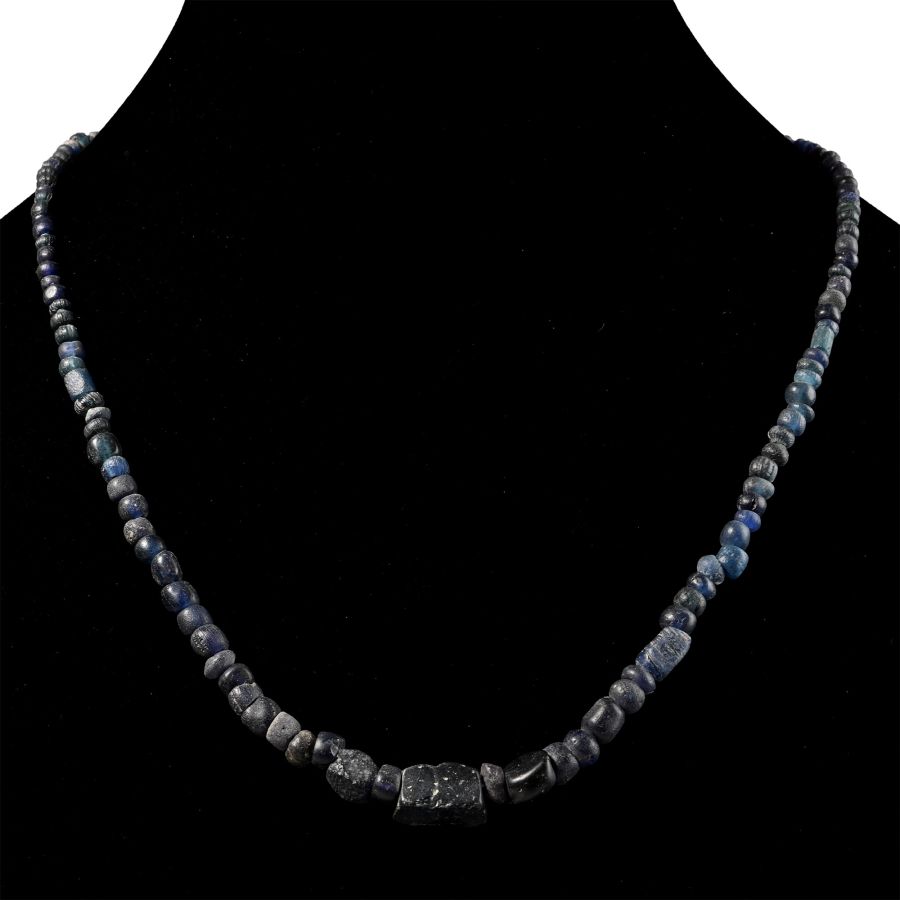
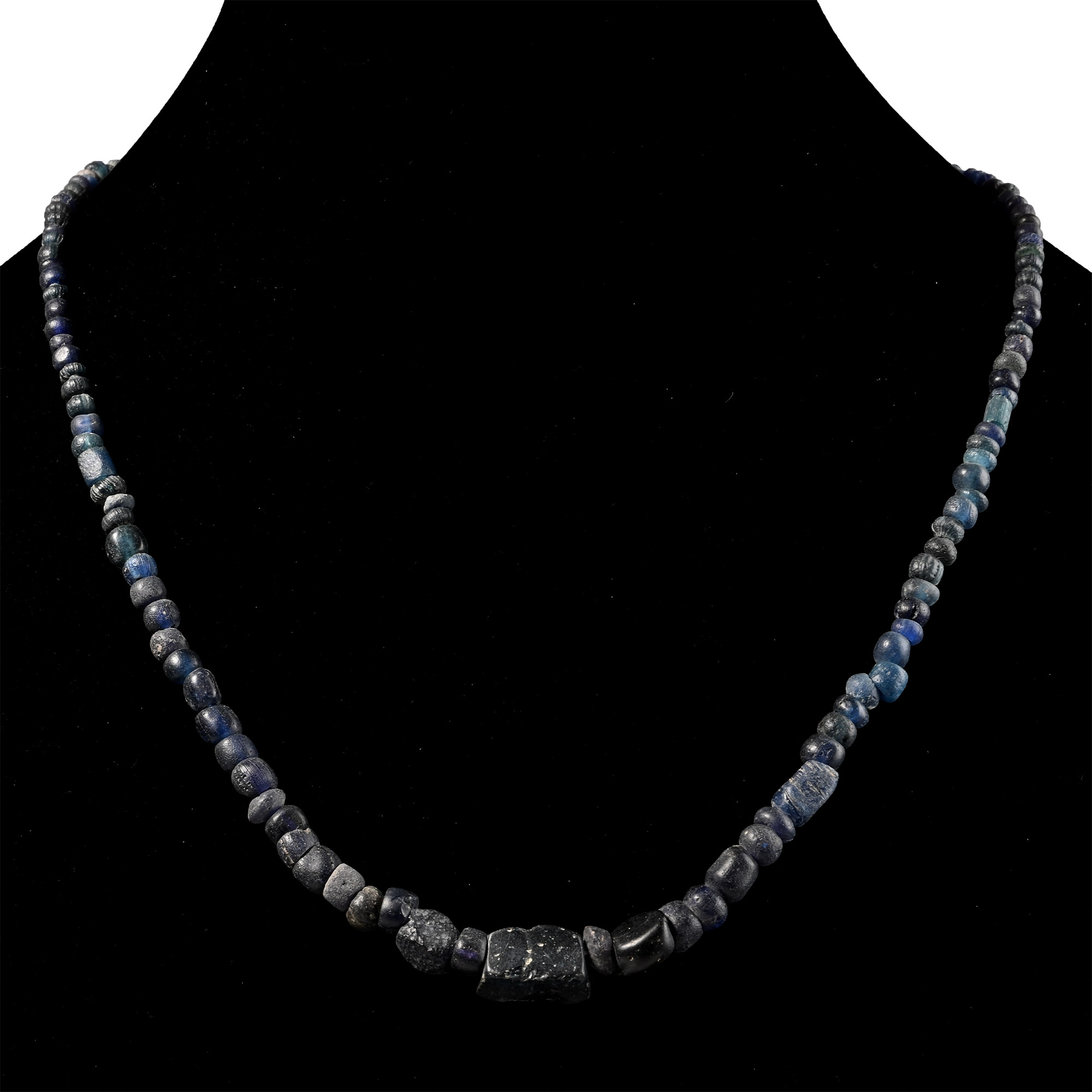
Roman Blue Glass and Other Bead Necklace String
1ST-4TH CENTURY A.D. AND LATER
18 1/4 in. (19.6 grams, 46.3 cm).
Composed of graduated oblate bead with a large rectangular bead at the centre, restrung. [No Reserve]
ProvenanceAcquired in the 1990s.
Ex London, UK, collection.
TimeLine Auctions follows a vetting process to ensure the authenticity and legality of all items, reinforcing our commitment to integrity and responsible trading. Each antiquity, antique, and coin lot undergoes thorough examination by a vetting committee of at least ten external specialists, professional trade association members, scientists, and archaeologists: Our Vetting Process
AUCTIONS:
TimeLine is a leading auction house specialising in antiquities, ancient art, collectables, natural history, coins, medals, and books. Our auctions offer museums, collectors, historians, and enthusiasts the opportunity to acquire unique and historically significant pieces.
-
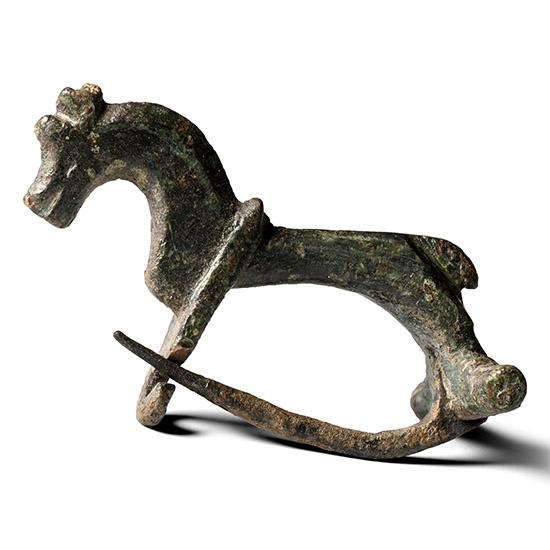
Roman Bronze Horse Brooch
2nd-3rd century A.D.Sold for (Inc. bp): £117
Formed as a standing horse with an arched neck, the front legs forming the pin-catch. 14.4 grams, 46 mm
Ex German art market, 2000s. Acquired from an EU collector living in London. From the collection of a Surrey, UK, gentleman. -
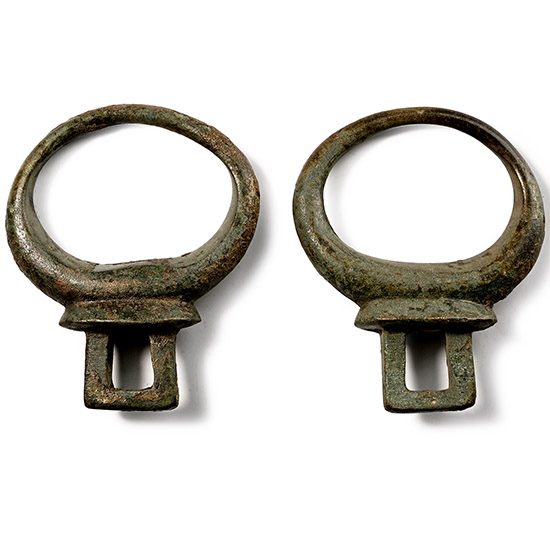
Romano-British Bronze Chariot Rein Guide Pair
England, 1st-2nd century A.D.Estimate: £200 - 300 (+bp*)
Opening Bid: £100
Matched pair of rein guides, each an oval loop with a collar and a rectangular loop below. 210 grams total, 74 mm each
Found UK. From a UK collection formed in the 1980s. Property of an Essex, UK, gentleman. -
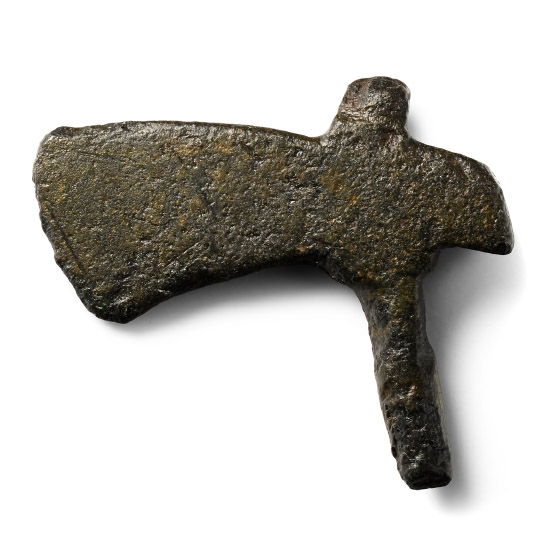
Romano-British Votive Miniature Axehead
England, 1st-3rd century A.D.Sold for (Inc. bp): £52
With curved blade stepped at the socket and short shaft beneath. 4.19 grams, 23 mm
Found Slipton, Northamptonshire, UK. Recorded with UKDFD no.36185.
