
Loading, please wait...
LOT 0871
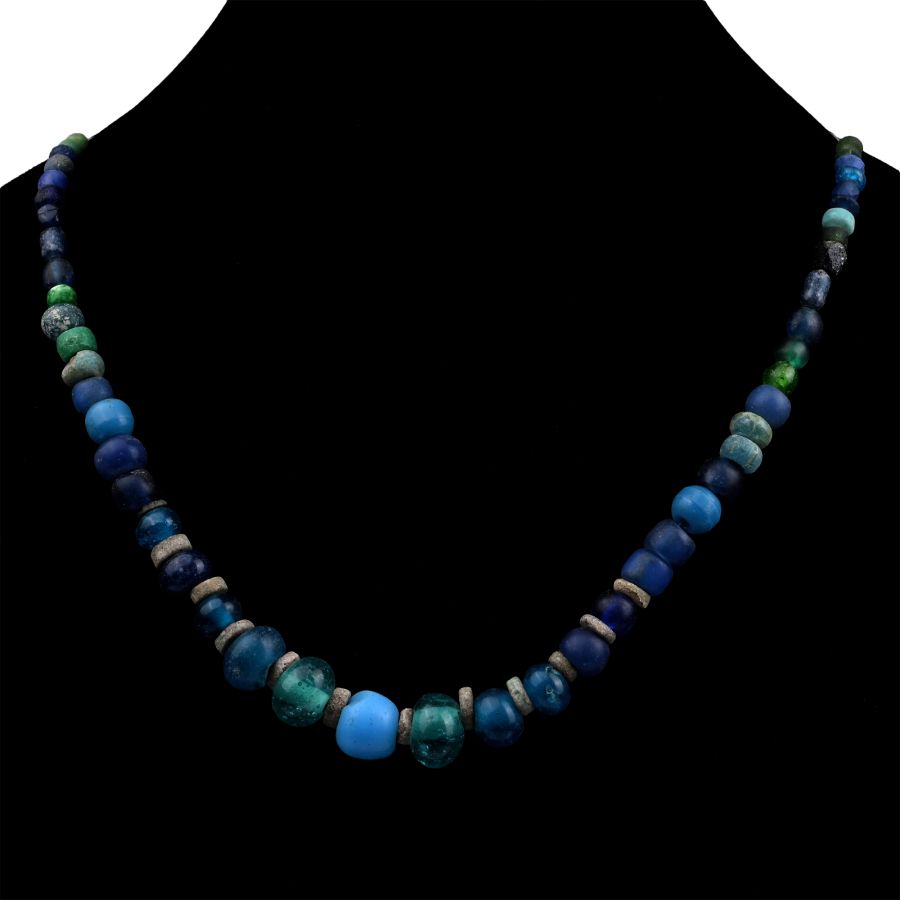
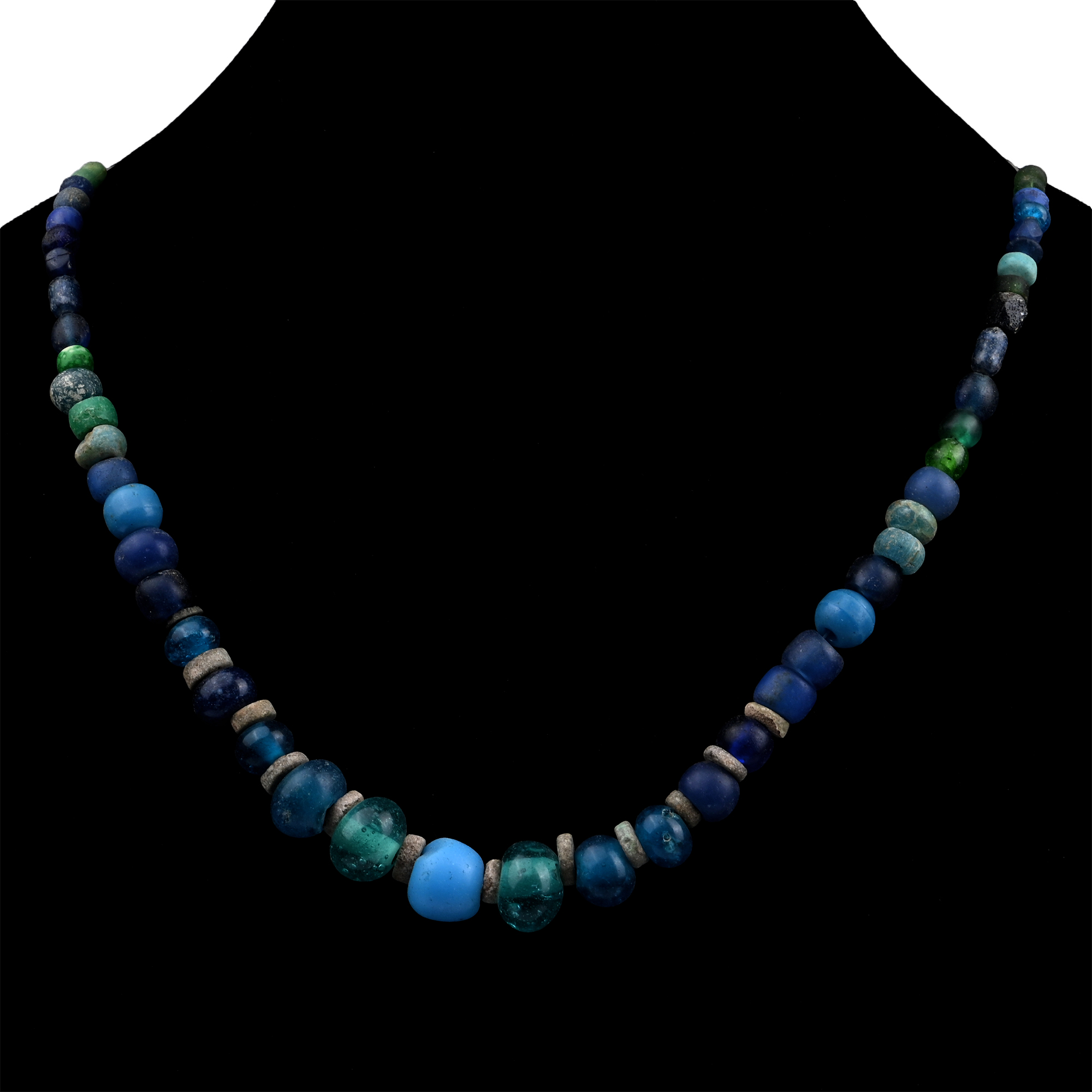
Roman Blue and Green Glass Bead Necklace String
1ST-4TH CENTURY A.D. AND LATER
14 1/8 in. (45 grams, 36 cm).
Restrung a graduated group of oblate barrel-shaped and spherical beads with disc spacers.
ProvenanceFrom the collection of a gentleman, acquired on the London art market in the 1990s.
CONDITIONTimeLine Auctions follows a vetting process to ensure the authenticity and legality of all items, reinforcing our commitment to integrity and responsible trading. Each antiquity, antique, and coin lot undergoes thorough examination by a vetting committee of at least ten external specialists, professional trade association members, scientists, and archaeologists: Our Vetting Process
AUCTIONS:
TimeLine is a leading auction house specialising in antiquities, ancient art, collectables, natural history, coins, medals, and books. Our auctions offer museums, collectors, historians, and enthusiasts the opportunity to acquire unique and historically significant pieces.
-
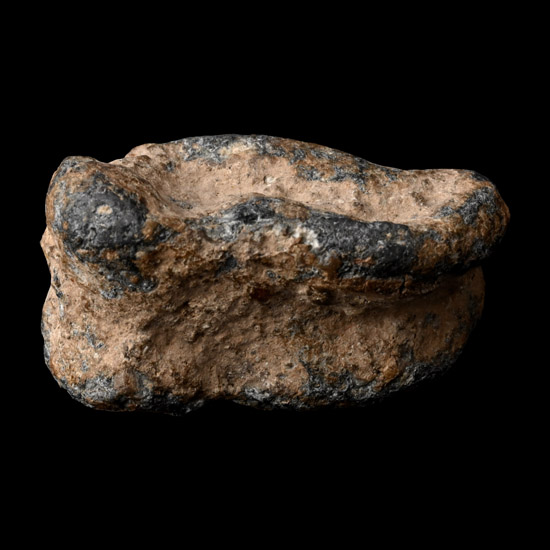
Roman Astragalus Lead Knuckle Bones Gaming Piece
Circa 1st-2nd century A.D.Sold for (Inc. bp): £26
Model of a bovine astragalus, collection sticker '184' to one side. 39.2 grams, 28.4 mm
From the Colin Narbeth collection, 1990s. Accompanied by a previous typed catalogue information card. -
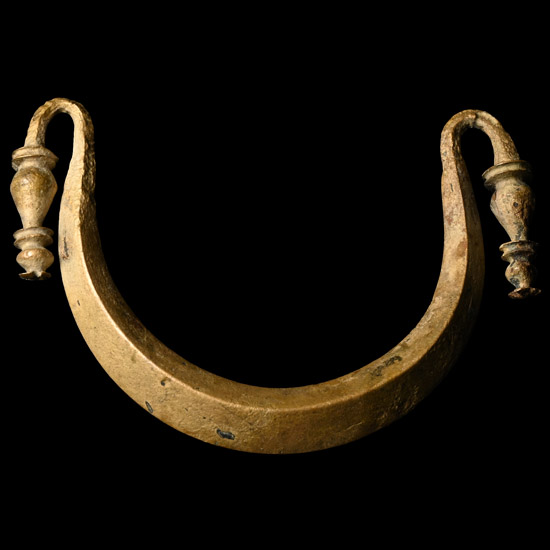
Roman Bronze Vessel Handle
1st-2nd century A.D.Sold for (Inc. bp): £78
Crescentic in form and square in section with recurved knop finials. 24.25 grams, 63.11 mm
From the private collection of a European gentleman (1942-2024), formed since the 1970s. -
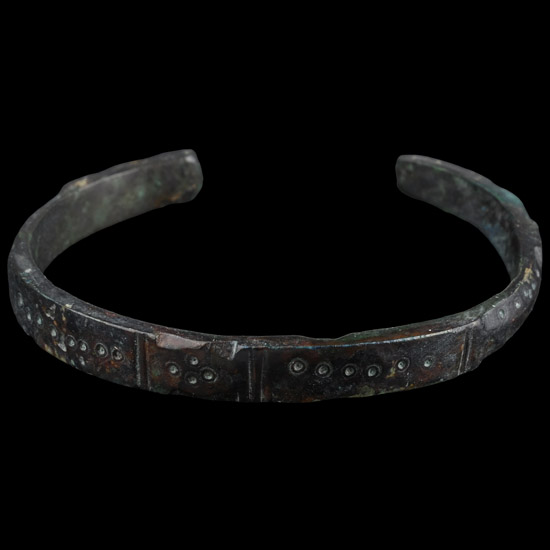
Roman Bronze Decorated Armilla Bracelet
1st-4th century A.D.Sold for (Inc. bp): £52
Penannular rectangular-section body with stylised beast-head finials, the upper face with linear and ring-and-dot motifs. 24 grams, 63 mm
Ex German art market, 2000s. Acquired from an EU collector living in London. From the collection of a Surrey, UK, gentleman.
