
Loading, please wait...
LOT 0972
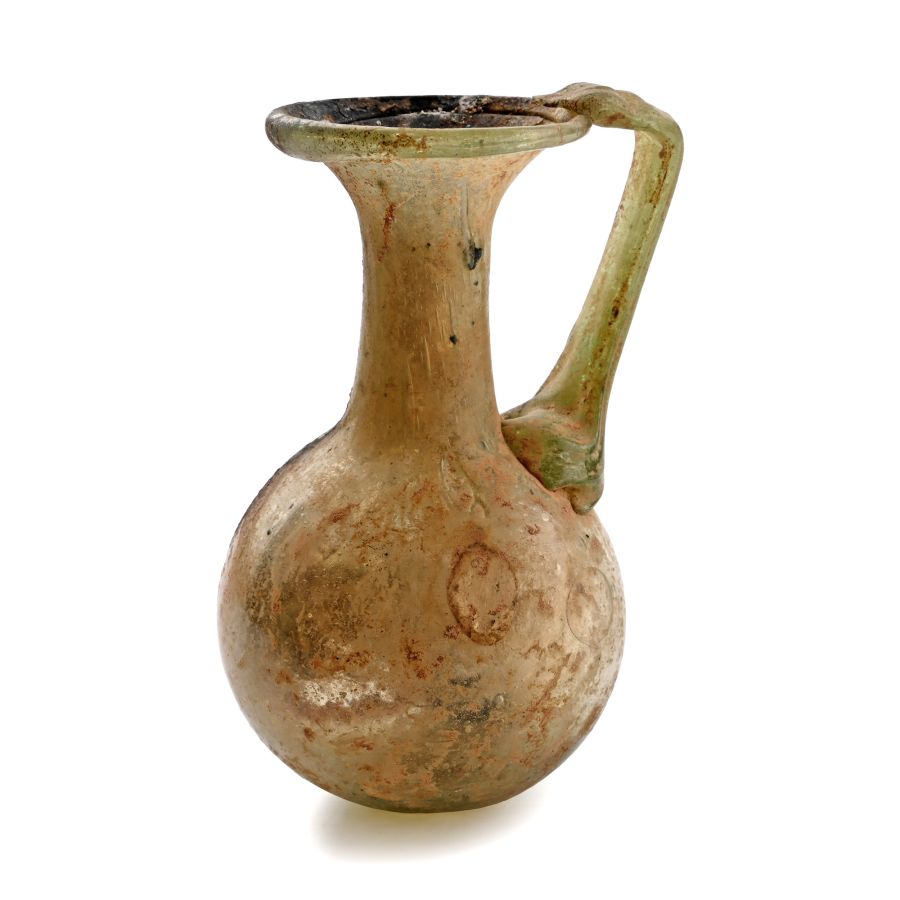
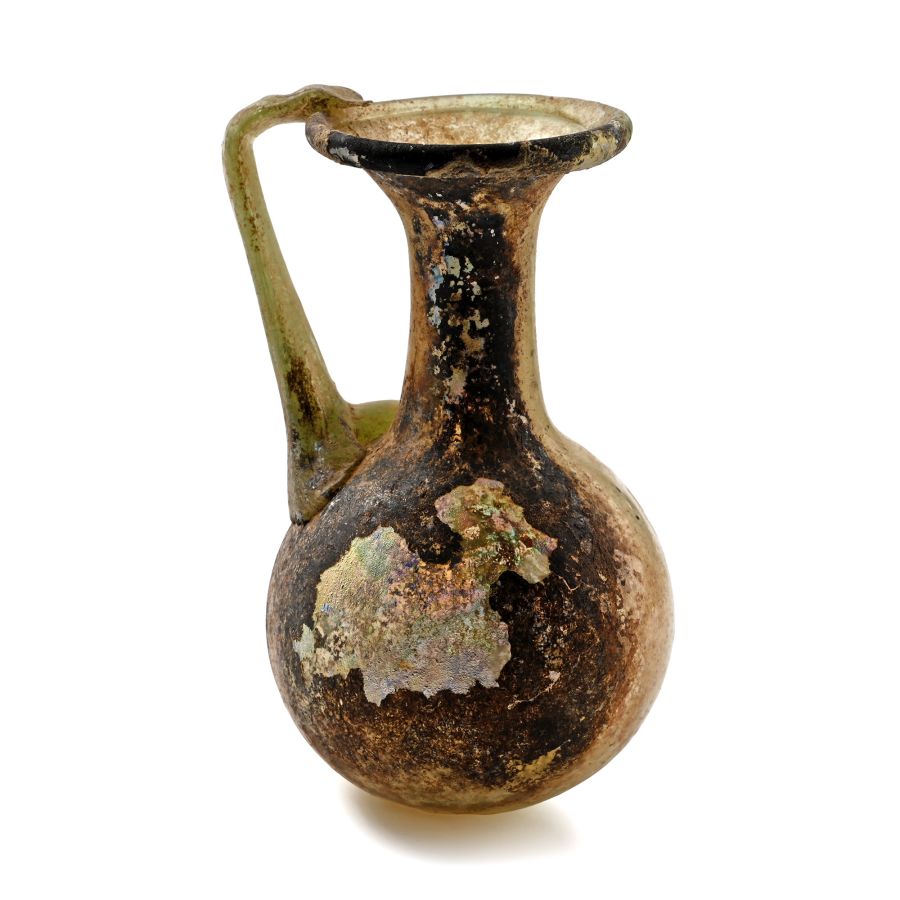
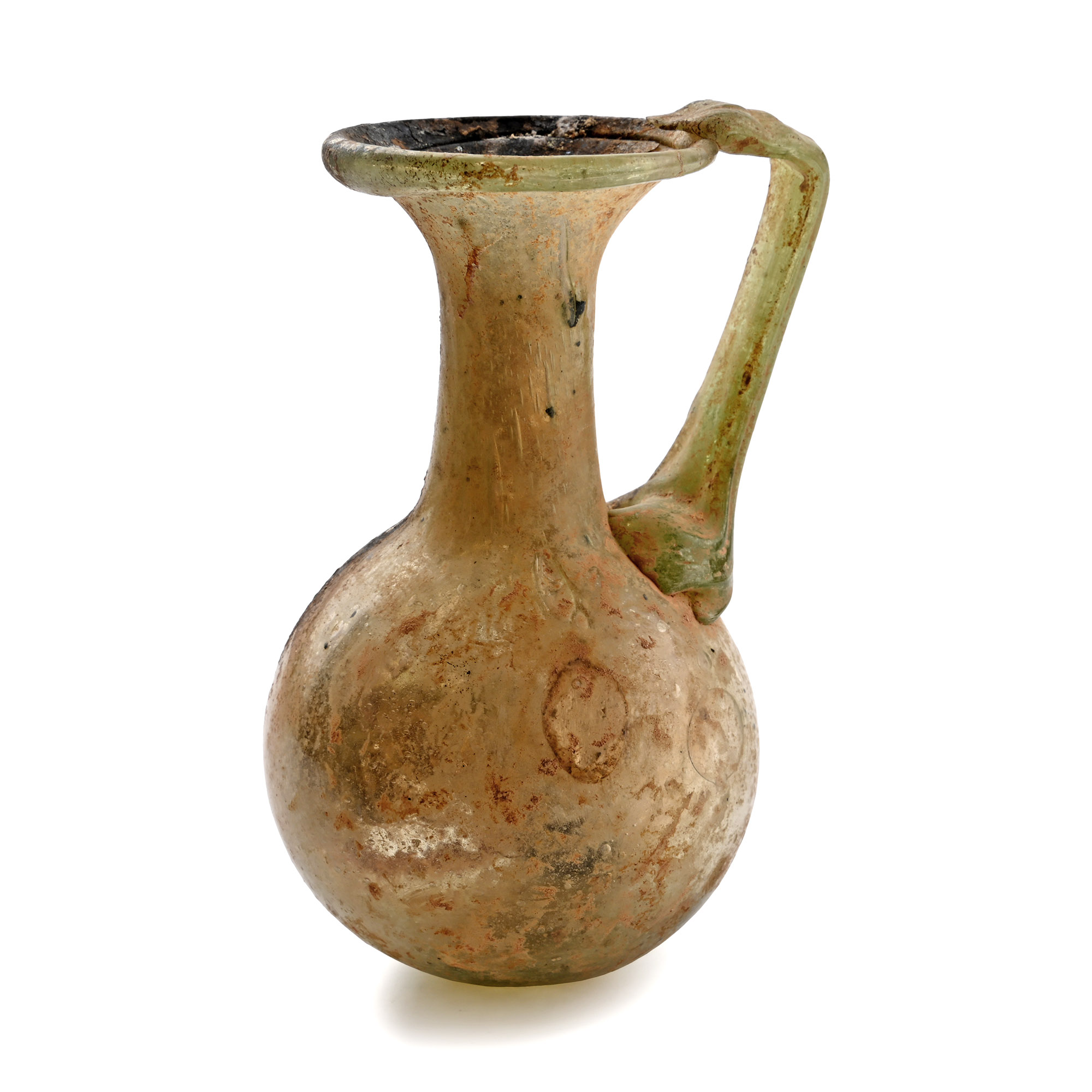
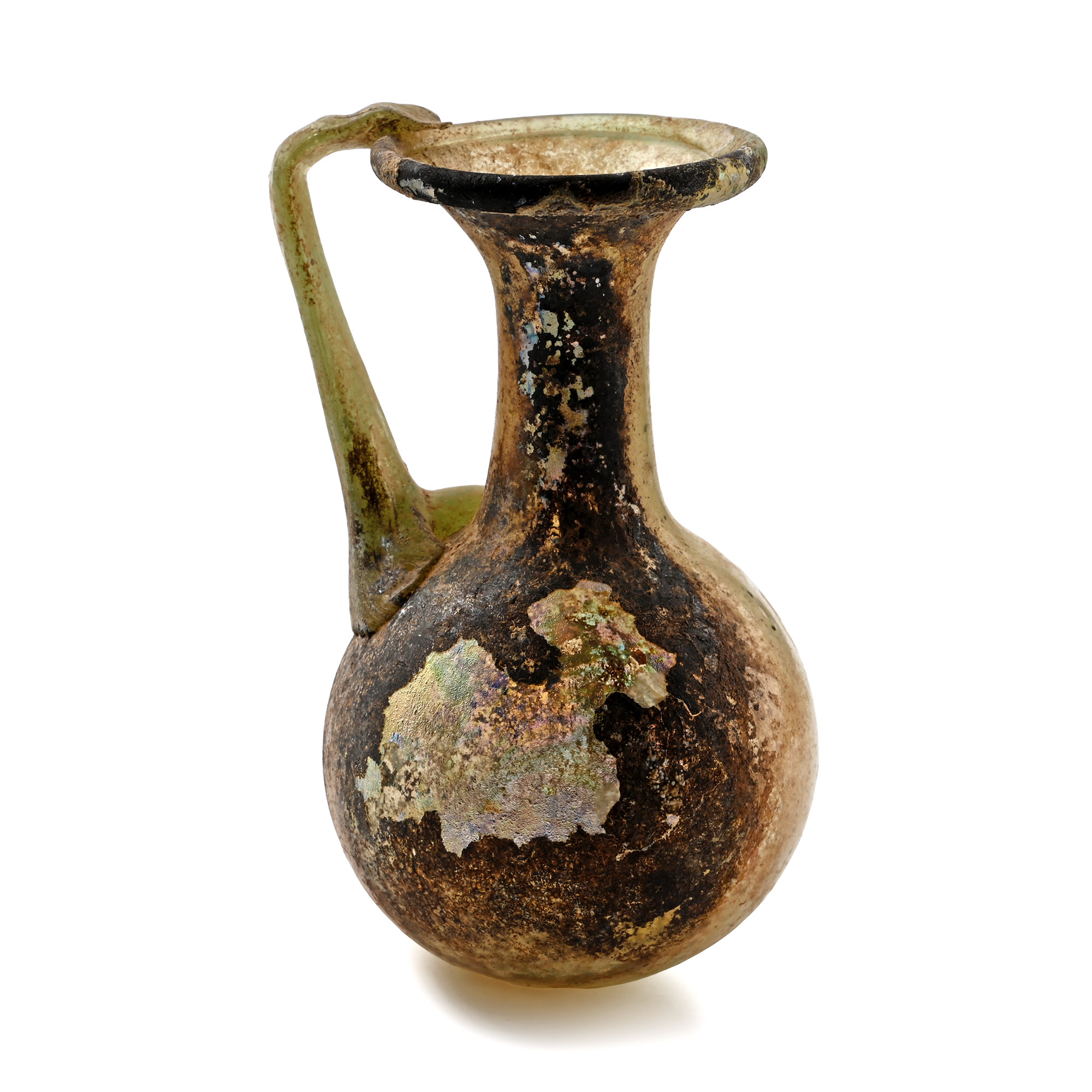
Roman Blown Glass Jug
2ND-4TH CENTURY A.D.
3 3/4 in. (40 grams, 96 mm).
Bulbous body and rounded underside, long neck, trumpet-shaped mouth with applied rim, applied strap handle with ribbing.
ProvenanceAcquired in the 1992.
Private collection, Switzerland, thence by descent.
Private collection, since the late 1990s.
TimeLine Auctions follows a vetting process to ensure the authenticity and legality of all items, reinforcing our commitment to integrity and responsible trading. Each antiquity, antique, and coin lot undergoes thorough examination by a vetting committee of at least ten external specialists, professional trade association members, scientists, and archaeologists: Our Vetting Process
AUCTIONS:
TimeLine is a leading auction house specialising in antiquities, ancient art, collectables, natural history, coins, medals, and books. Our auctions offer museums, collectors, historians, and enthusiasts the opportunity to acquire unique and historically significant pieces.
LOT 0972
Roman Blown Glass Jug
Estimate £300 - 400€350 - 460 (for guidance only)$410 - 540 (for guidance only)
-

Roman Bone Dice Pair
1st-4th century A.D.Sold for (Inc. bp): £520
Cuboid type with ring-and-dot markings disposed 1:6, 2:5, 3:4. 4.82 grams total, 11 mm each
Ex Abelita family collection, 1980s-2000s. -
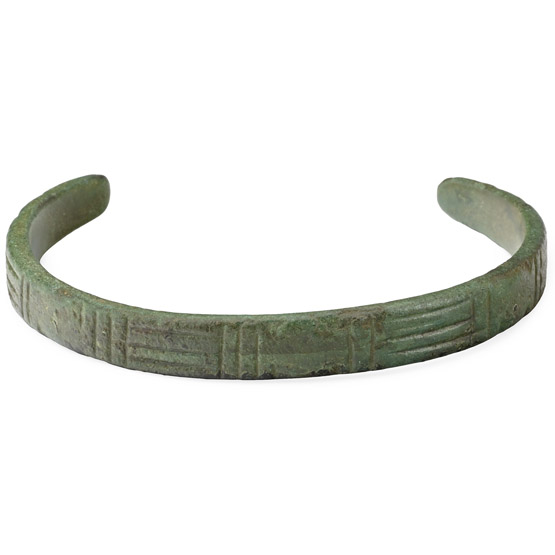
Roman Bronze Decorated Military Bracelet
1st-4th century A.D.Sold for (Inc. bp): £91
Penannular in profile with hatching to the outer face. 26 grams, 69 mm
Ex German art market, 2000s. Acquired from an EU collector living in London. From the collection of a Surrey, UK, gentleman. -
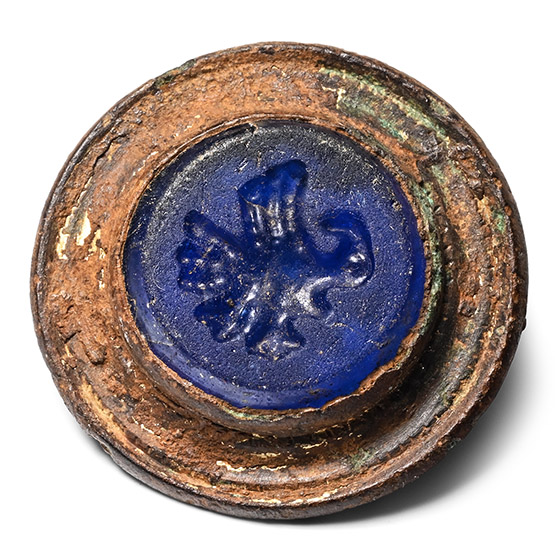
Roman Gilt Bronze Plate Brooch with Blue Eagle Intaglio
Circa 2nd-3rd century A.D.Sold for (Inc. bp): £130
Discoid plate brooch with concentric rings to the tondo, central cell with blue glass insert, intaglio image of a bird with one wing raised and head reversed; pin-lug and catch to reverse. 13.8 grams, 31.7 mm
From an old West Country, UK, collection, sold at auction. From the private collection of a West Midlands lady collector.
The style of the bird image shows possible Sasanian influence.
