
Loading, please wait...
LOT 0730
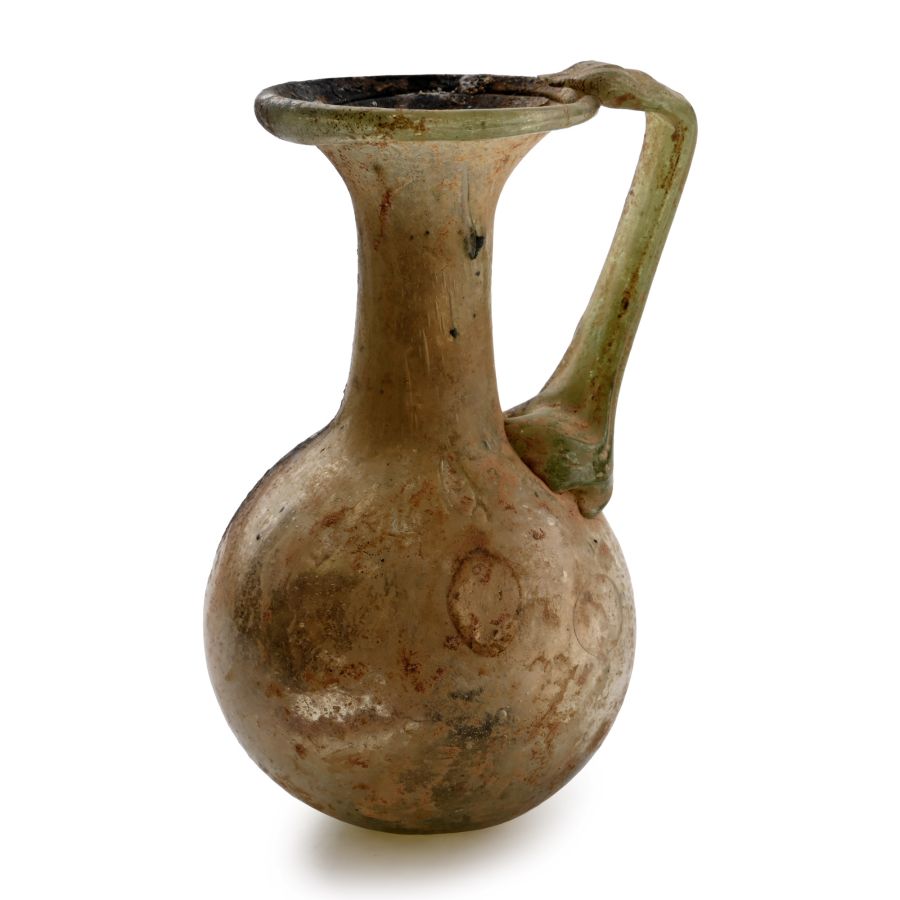
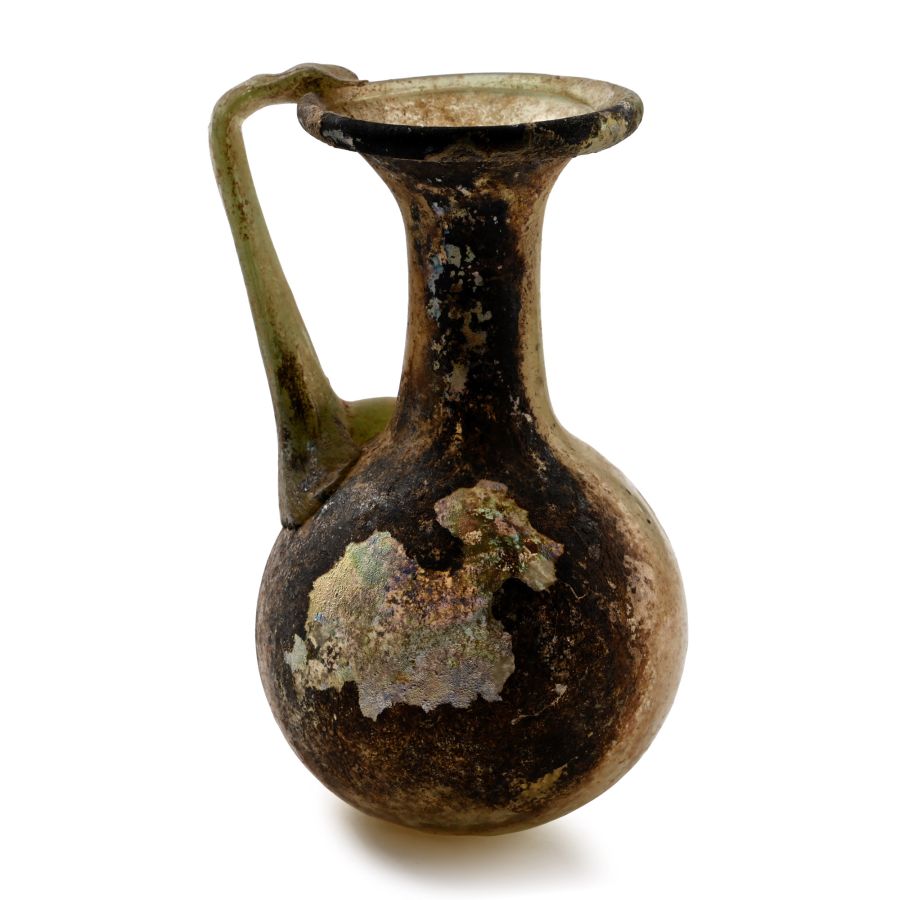
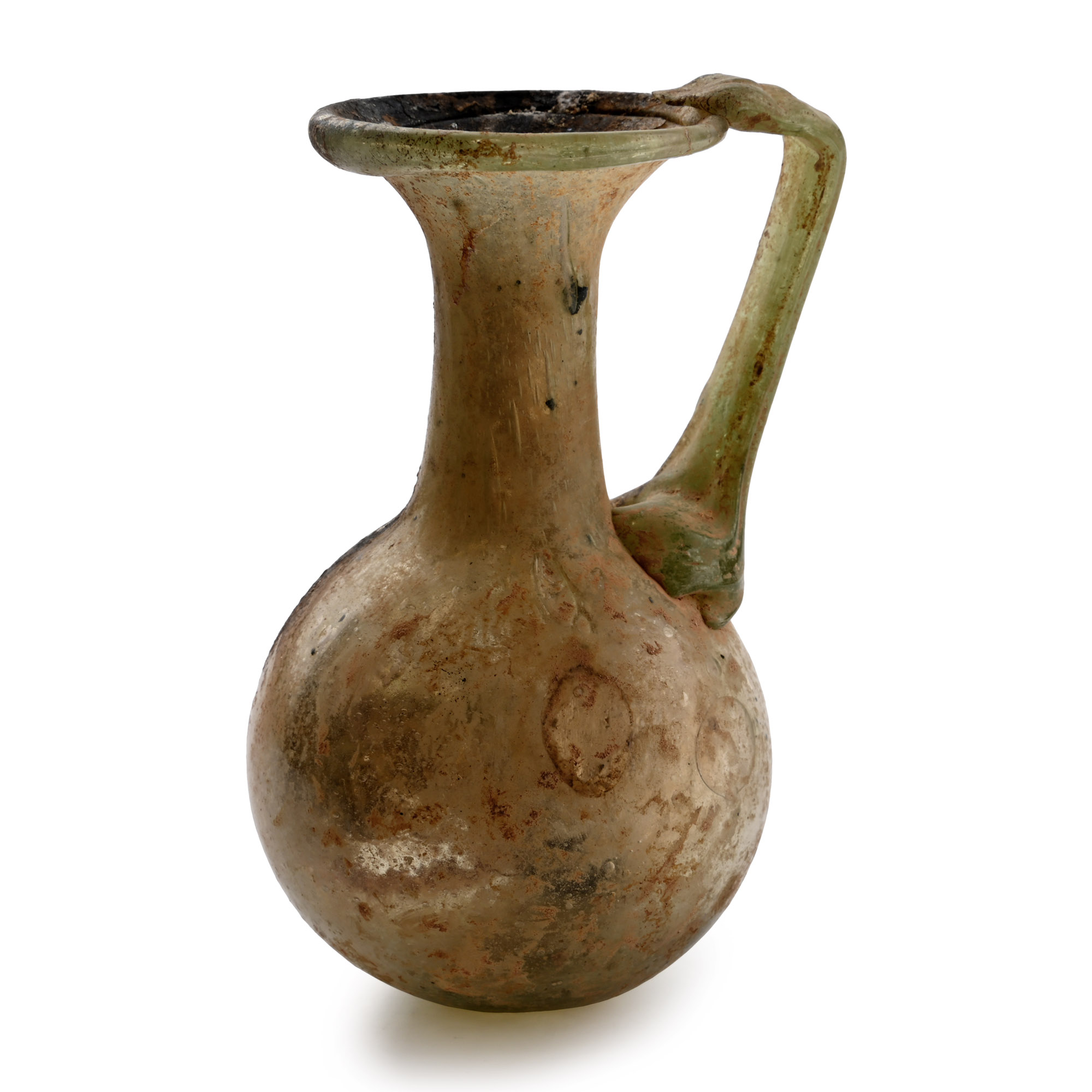
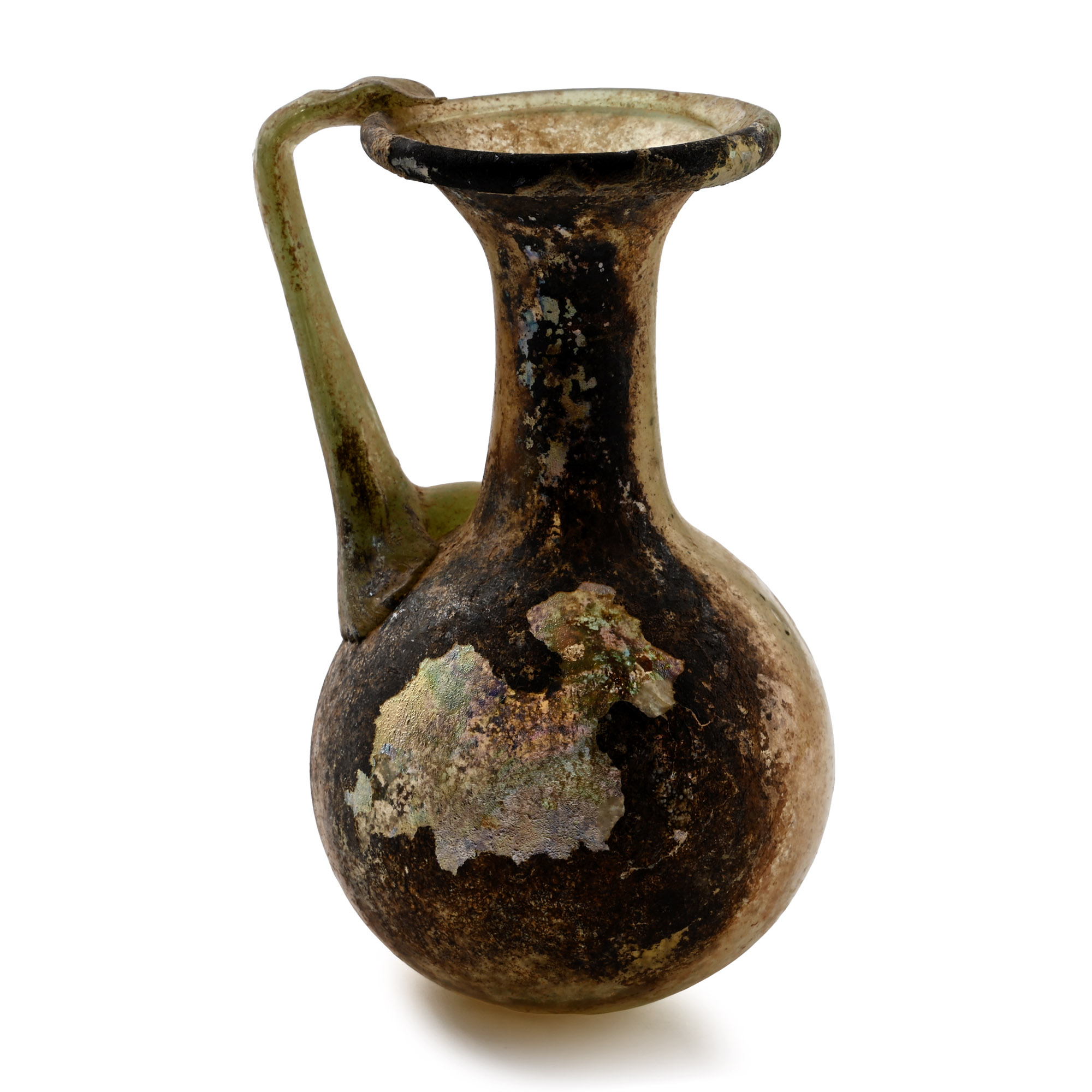
Roman Blown Glass Jug
2ND-4TH CENTURY A.D.
3 3/4 in. (40 grams, 96 mm).
Bulbous body and rounded underside, long neck, trumpet-shaped mouth with applied rim, applied strap handle with ribbing.
ProvenanceAcquired in the 1992.
Private collection, Switzerland, thence by descent.
Private collection, since the late 1990s.
This lot is accompanied by an illustrated lot declaration signed by the Head of the Antiquities Department, Dr Raffaele D'Amato.
TimeLine Auctions follows a vetting process to ensure the authenticity and legality of all items, reinforcing our commitment to integrity and responsible trading. Each antiquity, antique, and coin lot undergoes thorough examination by a vetting committee of at least ten external specialists, professional trade association members, scientists, and archaeologists: Our Vetting Process
AUCTIONS:
TimeLine is a leading auction house specialising in antiquities, ancient art, collectables, natural history, coins, medals, and books. Our auctions offer museums, collectors, historians, and enthusiasts the opportunity to acquire unique and historically significant pieces.
LOT 0730
Roman Blown Glass Jug
Estimate £400 - 600€460 - 700 (for guidance only)$540 - 810 (for guidance only)
-
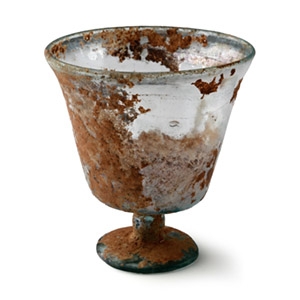
Roman Glass Wine Cup
1st century A.D.Sold for (Inc. bp): £1,105
Aqua glass cup with squat bell-shaped sidewall, rounded neck, footed base. 15 grams, 90 mm
Ex Mayfair, London, UK, gallery, 1990s-2000s. From an important collection of glass, the property of a London gentleman. This lot is accompanied by an illustrated lot declaration signed by the Head of the Antiquities Department, Dr Raffaele D'Amato. -
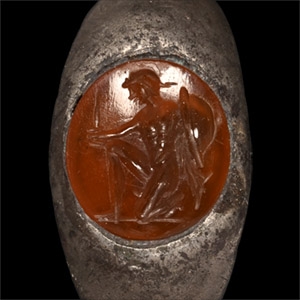
Roman Silver Ring with Warrior Gemstone
2nd-3rd century A.D.Sold for (Inc. bp): £936
With ellipsoid plaque and inset carnelian cloison with intaglio kneeling warrior with Pseudo-Attic helmet pushed back from the face, domed shield on one arm and sword held upright in the other hand supported by the knee. 8.11 grams, 27.11 mm overall, 20.96 mm internal diameter (approximate size British N 1/2, USA 6 3/4, Europe 14.35, Japan 13)
Acquired on the European art market in the 1990s. UK collection of a European gentleman. This lot is accompanied by an illustrated lot declaration signed by the Head of the Antiquities Department, Dr Raffaele D'Amato.
The motif of a nude kneeling warrior with weapons is certainly visible in the repertory of the Greek gemstones since the Archaic and classical age. The scene possibly alludes to the incident in the Trojan Cycle where Achilles is wounded by an arrow in his heel, the only part of his body which was not impervious to injury. -
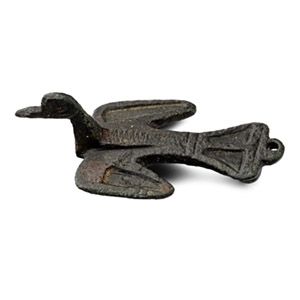
Late Roman Bird in Flight Plate Brooch
6th century A.D.Sold for (Inc. bp): £143
Aviform brooch with inset panels to to wings, tail and head to accept enamel; pin-lug and catchplate below. 6.19 grams, 39 mm
Property of a gentleman; acquired in the 1970s. This lot is accompanied by an illustrated lot declaration signed by the Head of the Antiquities Department, Dr Raffaele D'Amato.
