
Loading, please wait...
LOT 1139
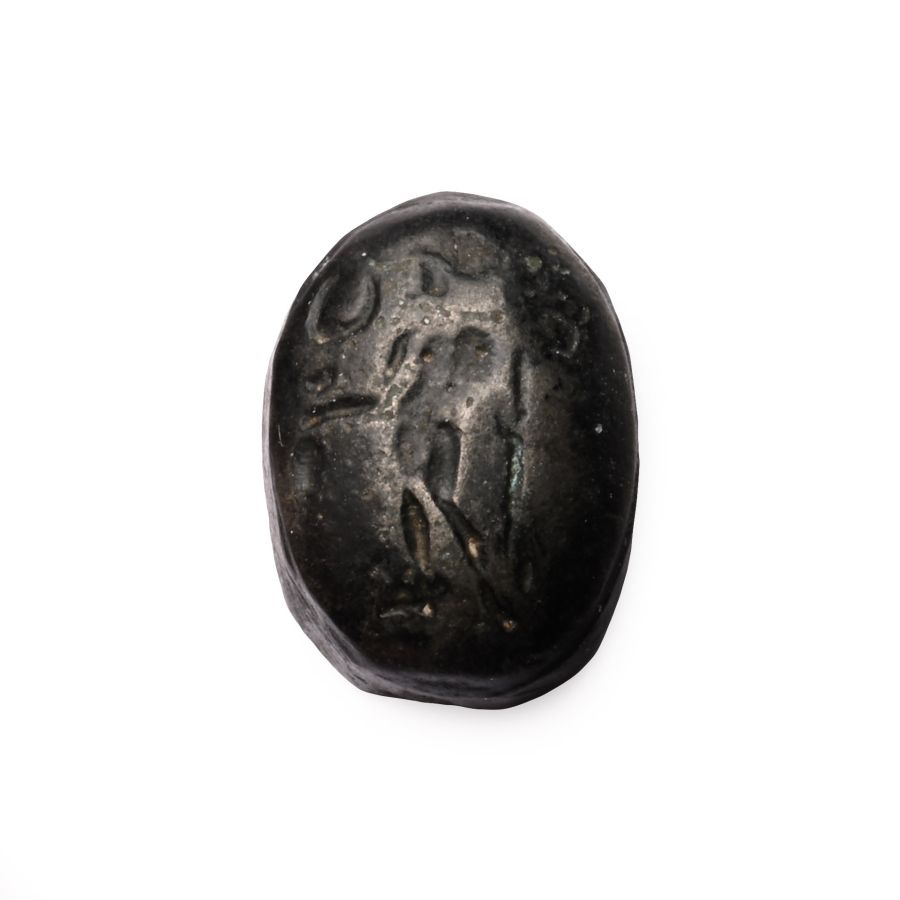
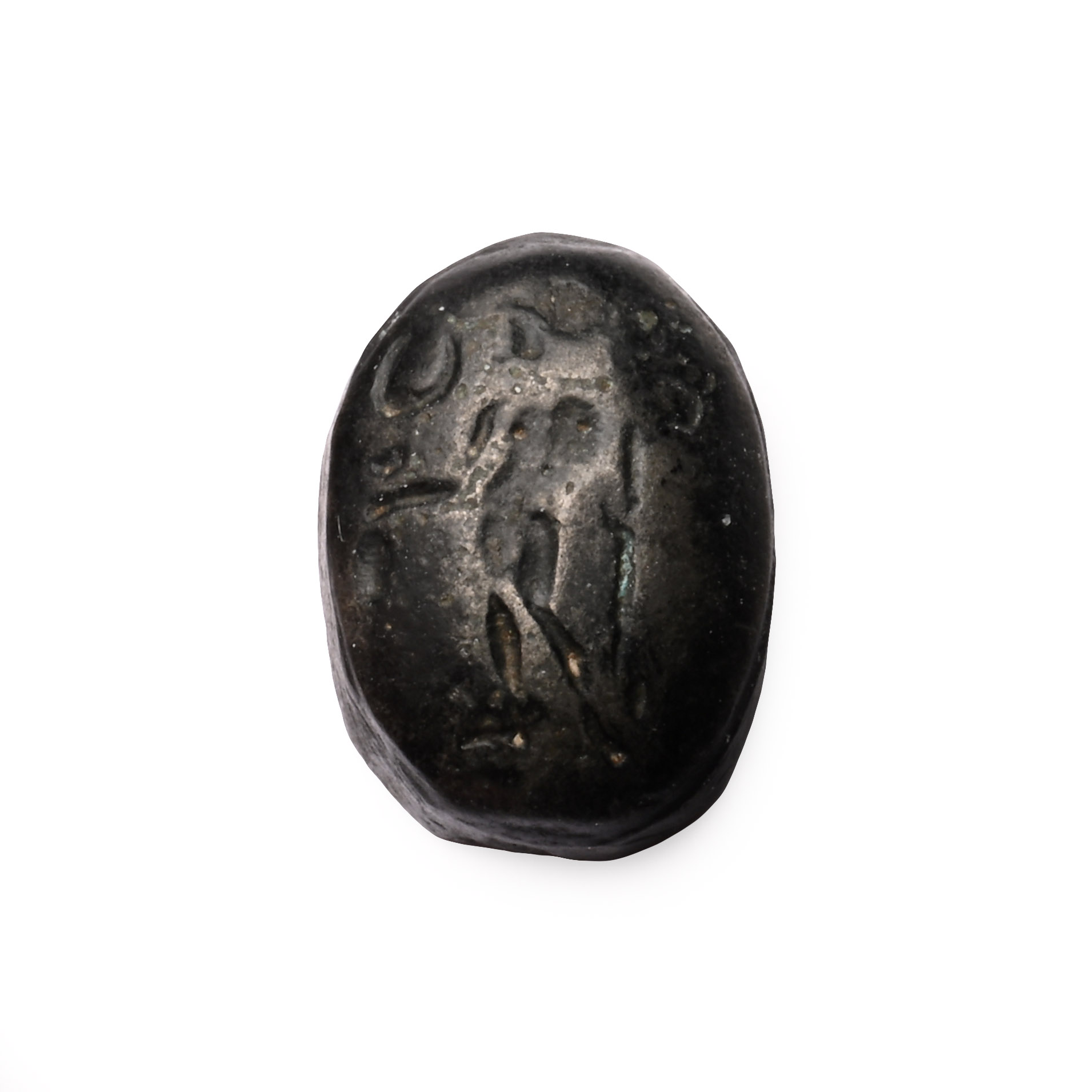
Roman Black Stone Intaglio with Standing Figure of Mercury
2ND-3RD CENTURY A.D.
3/8 in. (1.56 grams, 10 mm).
Plano-convex in section with incuse figure in profile holding a staff. [No Reserve]
ProvenanceFrom the private collection of a European gentleman (1942-2024), formed since the 1970s.
LiteratureSee similar image of Mercury in Provincia di Venezia, Piccolo mondo antico, la collezione glittica torcellana (Small Ancient World, the glyptic collection from Torcello, in Italian), Venezia, 2014, p.12.
CONDITIONTimeLine Auctions follows a vetting process to ensure the authenticity and legality of all items, reinforcing our commitment to integrity and responsible trading. Each antiquity, antique, and coin lot undergoes thorough examination by a vetting committee of at least ten external specialists, professional trade association members, scientists, and archaeologists: Our Vetting Process
AUCTIONS:
TimeLine is a leading auction house specialising in antiquities, ancient art, collectables, natural history, coins, medals, and books. Our auctions offer museums, collectors, historians, and enthusiasts the opportunity to acquire unique and historically significant pieces.
LOT 1139
Roman Black Stone Intaglio with Standing Figure of Mercury
Estimate £100 - 140€120 - 160 (for guidance only)$140 - 190 (for guidance only)
Opening Bid
£5 (EUR 6; USD 7) +BP*
-
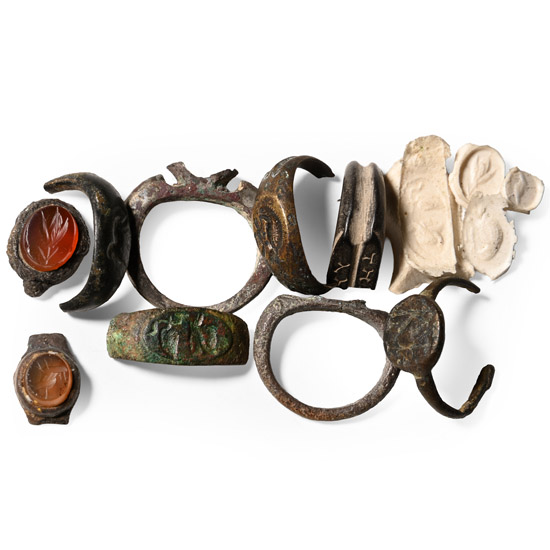
Roman Bronze Ring Bezel Group
2nd-3rd century A.D.Estimate: £100 - 140 (+bp*)
Bids: 1 | Current Bid: £5
Including inset cloison with running beast, similar with tulip, integral bezel with perching bird, and other types, some with impression. 22.9 grams total, 13-24 mm
From the private collection of a European gentleman (1942-2024), formed since the 1970s. -
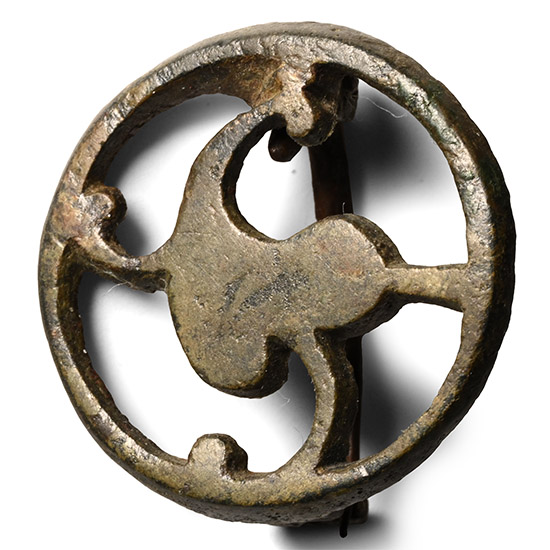
Roman Bronze Openwork Plate Brooch
3rd-4th century A.D.Estimate: £40 - 60 (+bp*)
Opening Bid: £5
Comprising a central ivyleaf with four radiating lobes connecting to a circular rim; lugs, pin and catch to reverse; old inked '115' notation to verso. 8.47 grams, 28 mm
From a UK collection formed in the 1980s. Property of an Essex, UK, gentleman. -
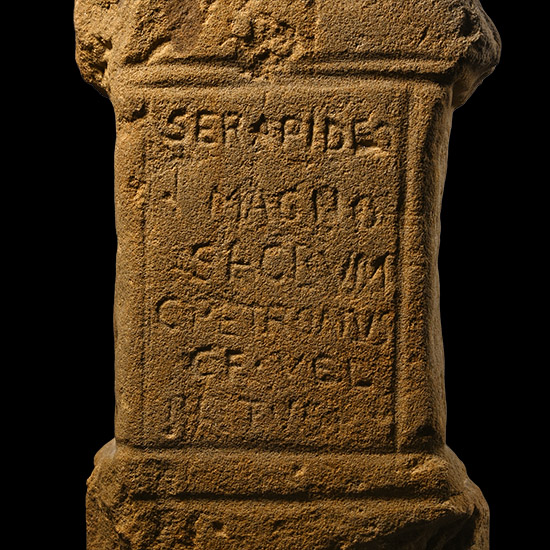
Roman Sandstone Altar for the God Serapis by Gaius Petronius Paetus
2nd century A.D.Estimate: £800 - 1,000 (+bp*)
Bids: 6 | Current Bid: £190
Rectangular in profile with stepped base and capital; dished socket to the upper face; incised rectangular panel to obverse with six lines of inscription in sans-serif capitals: 'SERAPI DEO / MAGNO / SACRVM / C. PETRONVS / C. F. VEL / PAETUS' (Sacred to the great god Serapis, G(aius) Petron(i)us Paetus, son of Gaius, (enrolled in the) tribus Velina). 9.1 kg, 26.5 cm
Acquired at auction in London, December 1993. From the private collection of Peter Clayton, FCILIP, Dip, Arch, FSA, FRNS, Hemel Hempstead, Hampshire, UK; formed since the 1950s. Accompanied by copies of Roger Tomalin's article in Britannia, in which this altar is published. Accompanied by an old handwritten information card by Peter Clayton.
When the Britannia article was published in 2000, there was only one other dedication to the god Serapis known from Britain, found at York (p.448). Meanwhile, the Roman Inscriptions of Britain database records five entries. The altar was said to have been found in Yorkshire, although this is disputed. The dedicant possessed Roman citizenship, and he provides his name on this altar with all elements like praenomen, filiation, and tribus. This onomastic observation points to the end of the first century or the first half of the second century A.D.
