
Loading, please wait...
LOT 0746
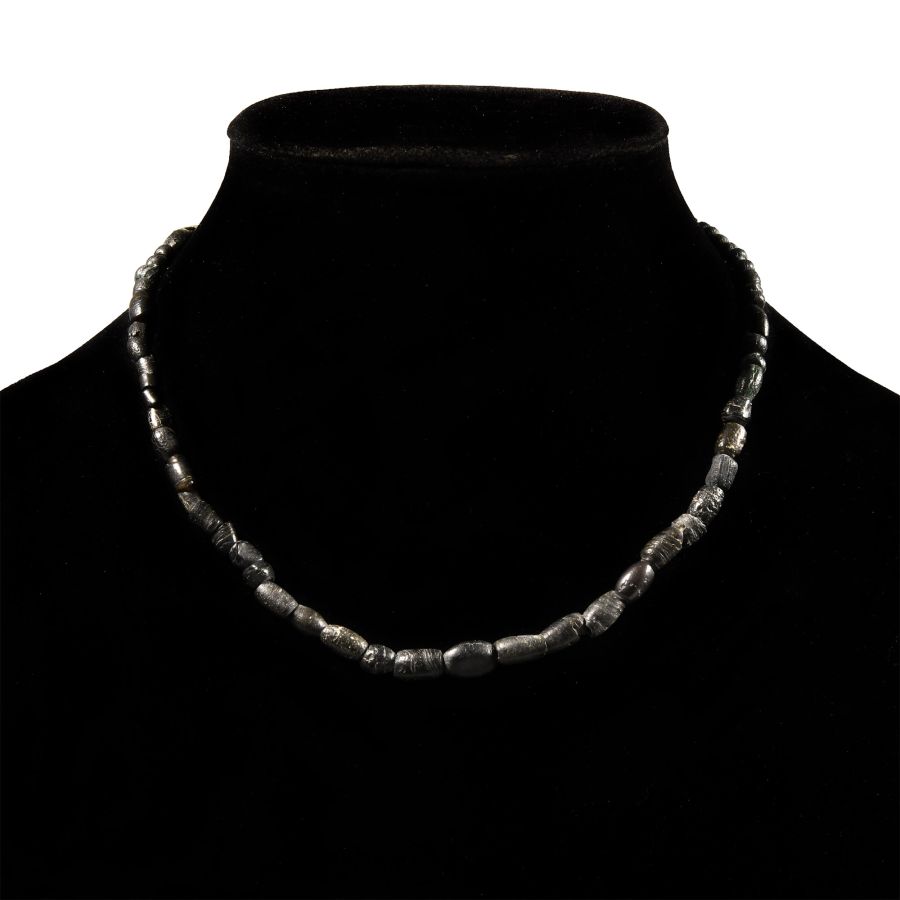
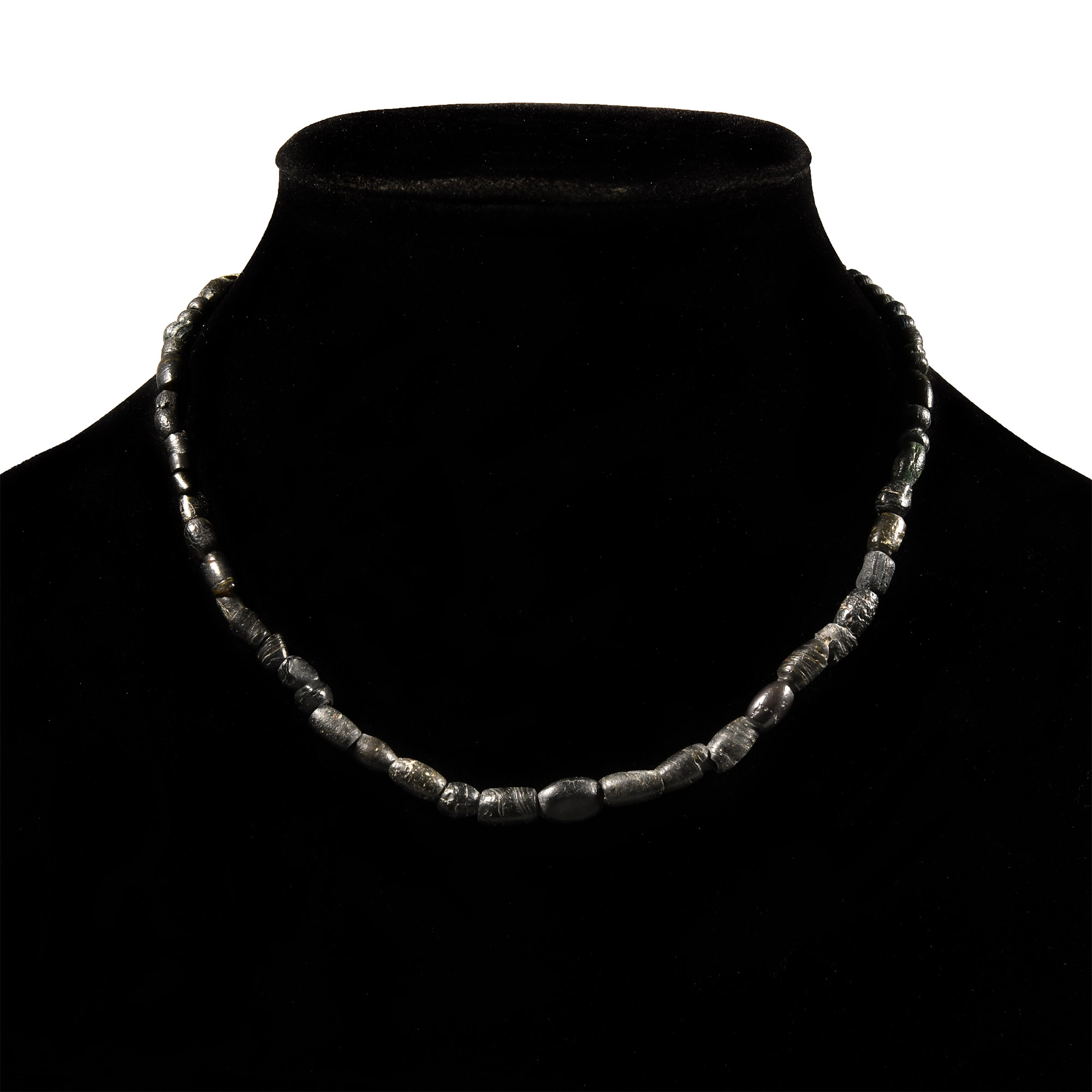
Roman Black Glass Bead Necklace String
1ST-4TH CENTURY A.D.
16 1/2 in. (13.7 grams, 42 cm long).
Restrung; composed of graduated opaque black glass beads of various types. [No Reserve]
ProvenanceAcquired on the UK art market.
Property of a Ruislip, UK, gentleman, by inheritance.
TimeLine Auctions follows a vetting process to ensure the authenticity and legality of all items, reinforcing our commitment to integrity and responsible trading. Each antiquity, antique, and coin lot undergoes thorough examination by a vetting committee of at least ten external specialists, professional trade association members, scientists, and archaeologists: Our Vetting Process
AUCTIONS:
TimeLine is a leading auction house specialising in antiquities, ancient art, collectables, natural history, coins, medals, and books. Our auctions offer museums, collectors, historians, and enthusiasts the opportunity to acquire unique and historically significant pieces.
-
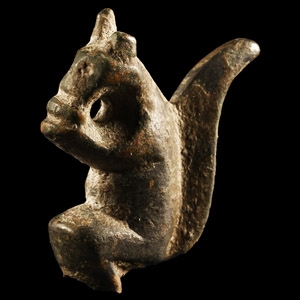
Roman Bronze Sitting Squirrel Statuette
1st-4th century A.D.Sold for (Inc. bp): £111
Modelled in the round with naturalistic detailing, sitting upright nibbling a nut. 11.7 grams, 25 mm
‘The Ancient Menagerie Collection’ formerly the property of a Cambridgeshire lady, collected since the 1990s and acquired from auctions and dealers throughout Europe and the USA, now ex London collection. -
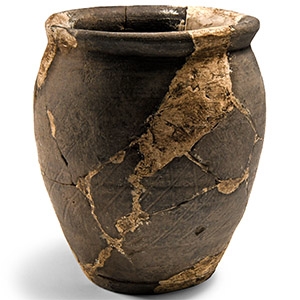
Roman 'Newark' Burnished Greyware Vessel
3rd century A.D.Sold for (Inc. bp): £156
A piriform jar with everted rim, shallow cross-hatching around the lower body, foot delineated with an incised ring; reconstructed with the use of plasticine. 491 grams, 13.3 cm high
Found Cotham, Newark, Nottinghamshire, UK, in September 2021. -
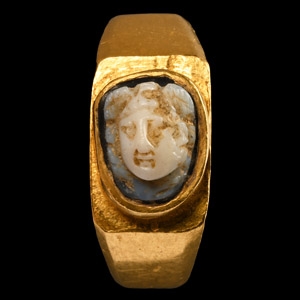
Roman Gold Ring with Medusa Cameo
2nd-3rd century A.D.Estimate: £2,000 - 3,000 (+bp*)
Opening Bid: £1,000
With facetted shoulders, D-shaped cell enclosing a carved Medusa bust modelled in the round. 5.83 grams, 22.07 mm overall, 17.23 mm internal diameter (approximate size British H 1/2, USA 4, Europe 6.81, Japan 6)
From the collection of a Cambridge lady, 1990s. This lot has been checked against the Interpol Database of stolen works of art and is accompanied by search certificate number no.11863-207049.
