
Loading, please wait...


LOT 0970
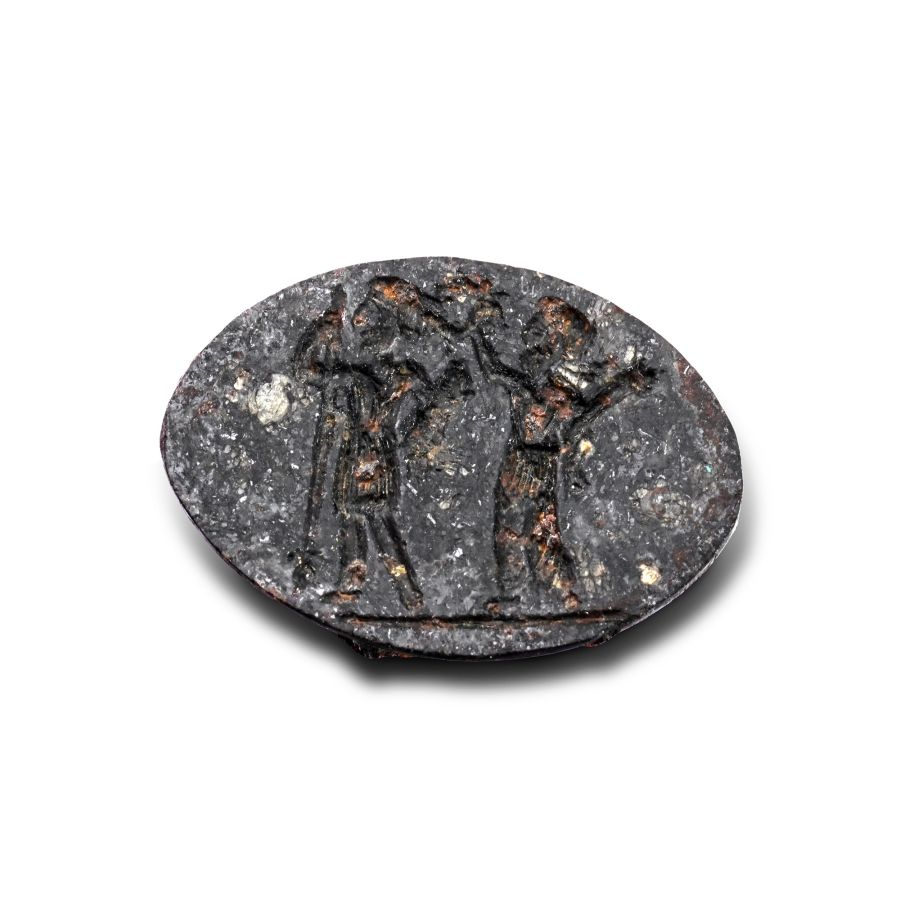
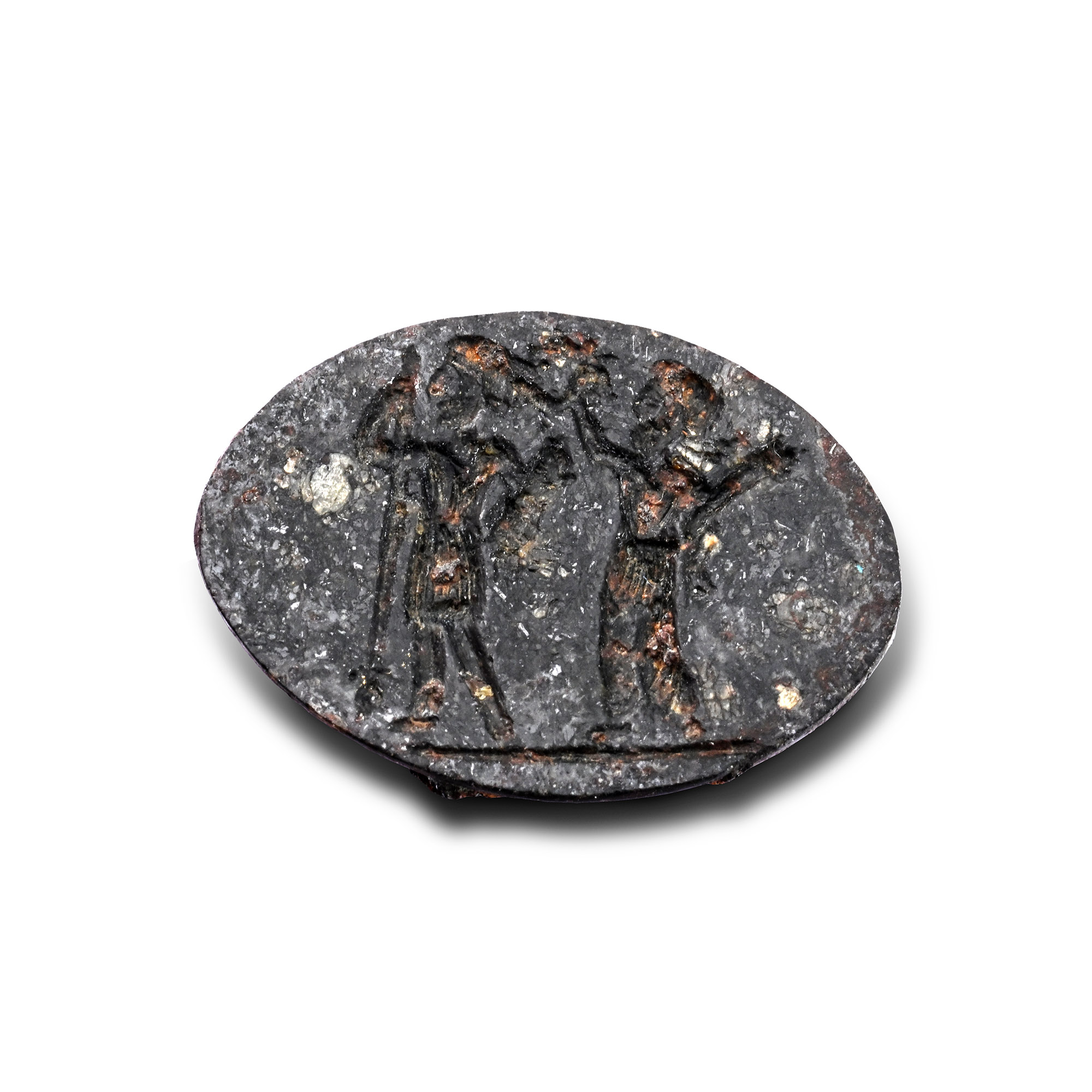
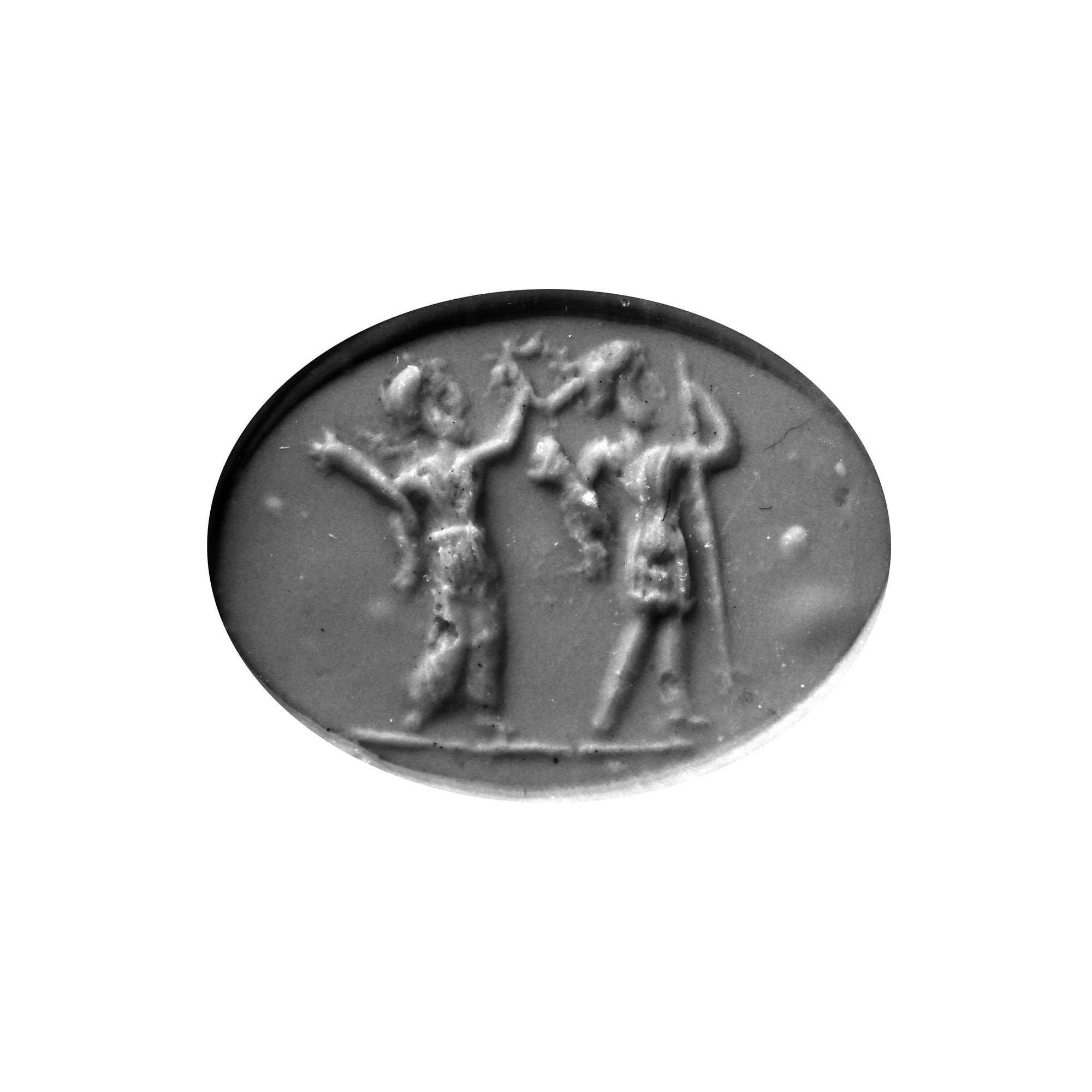
Roman Black Gemstone with Victory Scene
2ND-3RD CENTURY A.D.
3/4 in. (2.18 grams, 19 mm).
Ellipsoid in plan with chamfered sides, intaglio scene with soldier or gladiator standing with a spear, figure to his rear holding a wreath above his head; supplied with a museum-quality impression.
ProvenanceEx London, UK, based collection, 1990s.
Accompanied by a previously illustrated catalogue card with provenance.
TimeLine Auctions follows a vetting process to ensure the authenticity and legality of all items, reinforcing our commitment to integrity and responsible trading. Each antiquity, antique, and coin lot undergoes thorough examination by a vetting committee of at least ten external specialists, professional trade association members, scientists, and archaeologists: Our Vetting Process
AUCTIONS:
TimeLine is a leading auction house specialising in antiquities, ancient art, collectables, natural history, coins, medals, and books. Our auctions offer museums, collectors, historians, and enthusiasts the opportunity to acquire unique and historically significant pieces.
LOT 0970
Roman Black Gemstone with Victory Scene
Estimate £250 - 350€290 - 410 (for guidance only)$340 - 470 (for guidance only)
Opening Bid
£139 (EUR 161; USD 187) +BP*
-
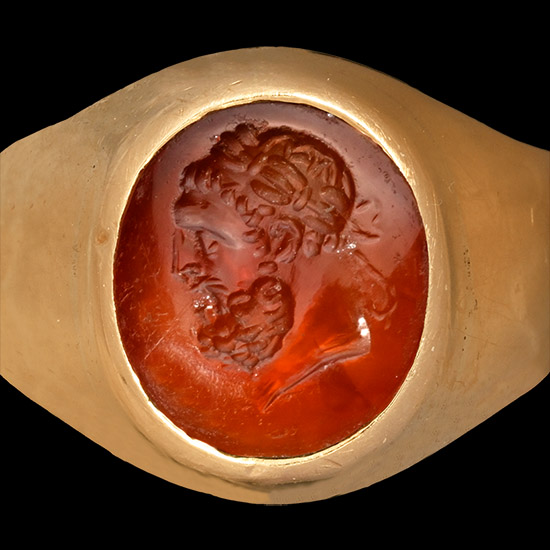
Roman Carnelian Gemstone of Hercules in Later Gold Ring
Circa 2nd century A.D. and laterEstimate: £1,500 - 2,000 (+bp*)
Opening Bid: £700
An oval intaglio engraved with the mature bearded profile head of Hercules, set within a substantial nineteenth-century gold ring. 13.21 grams, 26.27 mm overall, 20.34 x 20.81 mm internal diameter (approximate size British V, USA 10 1/2, Europe 23.77, Japan 22)
Acquired on the European art market. UK, private collection. -
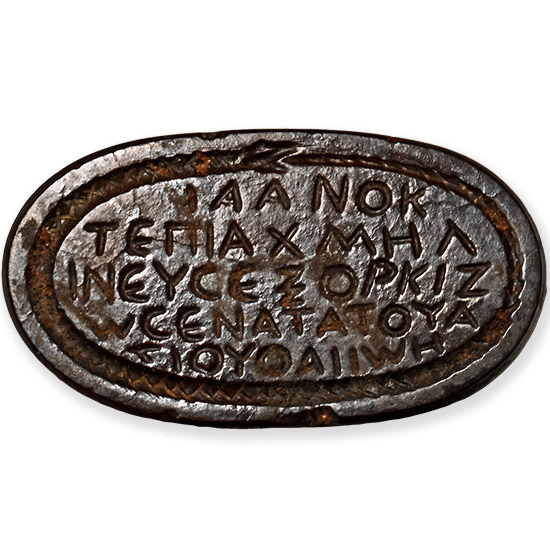
Roman Gnostic Haematite Gemstone with Greek Inscription
Circa 3rd century A.D.Estimate: £500 - 700 (+bp*)
Opening Bid: £250
Ellipsoid in plan with enigmatic legend within a linear border: 'IAA NOK / TEΠIAXMHΛ / INEYCEΞOPKIZ / WCENATATOYA / TIOYOAIIWH'. 1.48 grams, 21 mm
Property of a London, UK, gentleman, 1970-2000. -
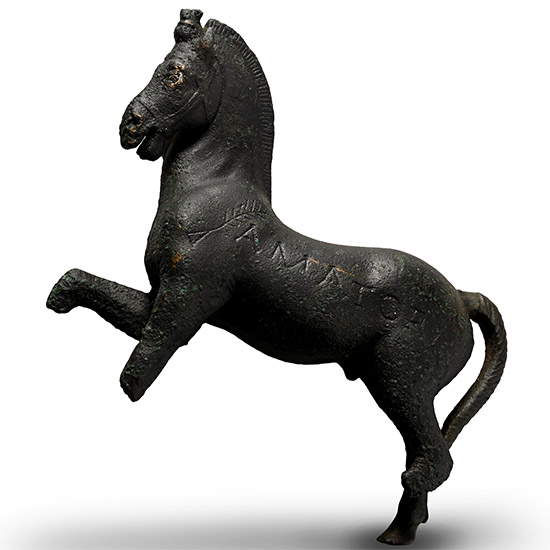
Large Roman 'AMATOR' Bronze Prancing Horse Statue
3rd century A.D.Estimate: £4,000 - 6,000 (+bp*)
Opening Bid: £2,000
Modelled in the round with an elongated neck, right foreleg raised, head turned slightly to the right with open mouth wearing a bridle, short mane and tail with ribbed engraved decoration, inscription 'AMATOR' next to a branch; lower parts of three legs absent. 376 grams, 11.1 cm
Found Norfolk, UK. Acquired on the UK art market in the 1980s. From an East Anglian private collection. Accompanied by an academic report by Dr Raffaele D'Amato. This lot has been checked against the Interpol Database of stolen works of art and is accompanied by search certificate no.13549-262542.
Romans frequently used 'amator' combined with a noun to show a deep dedication to a particular craft or lifestyle. On a freestanding bronze horse statue, it could be a self-dedication by the person who commissioned it. Alternatively, 'amator' could be the name of the person who owned the statue or a demonstration of dedication to a specific horse or craft of horse-breeding.
