
Loading, please wait...


LOT 0788
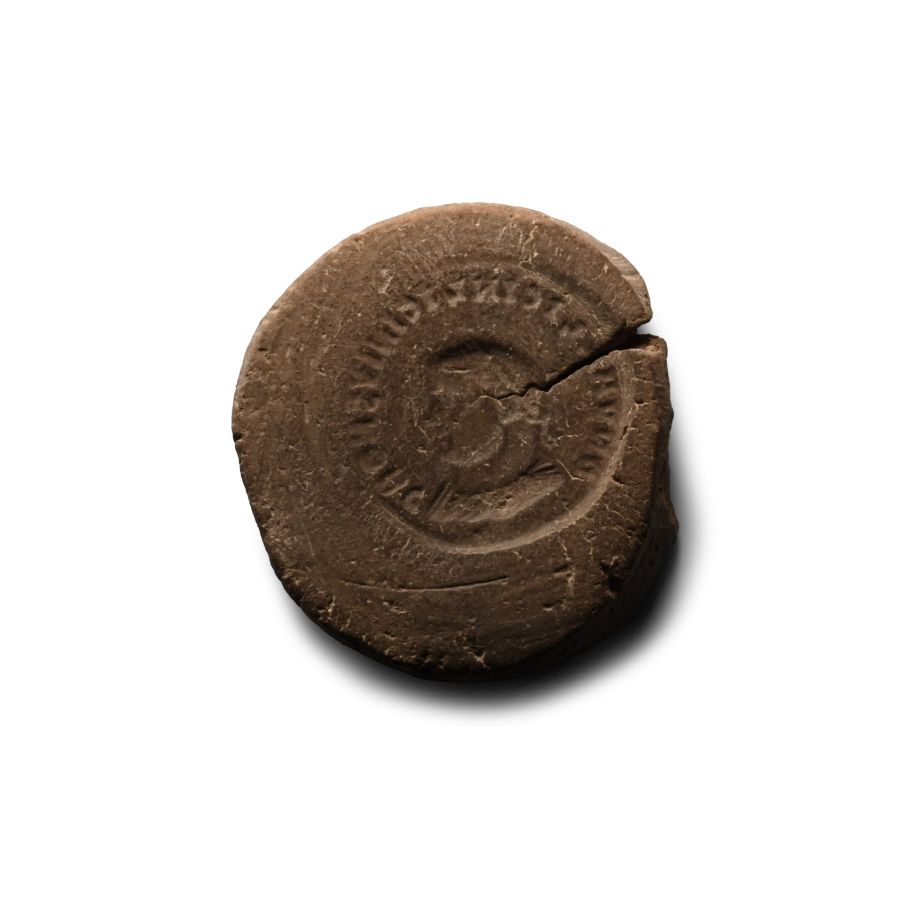
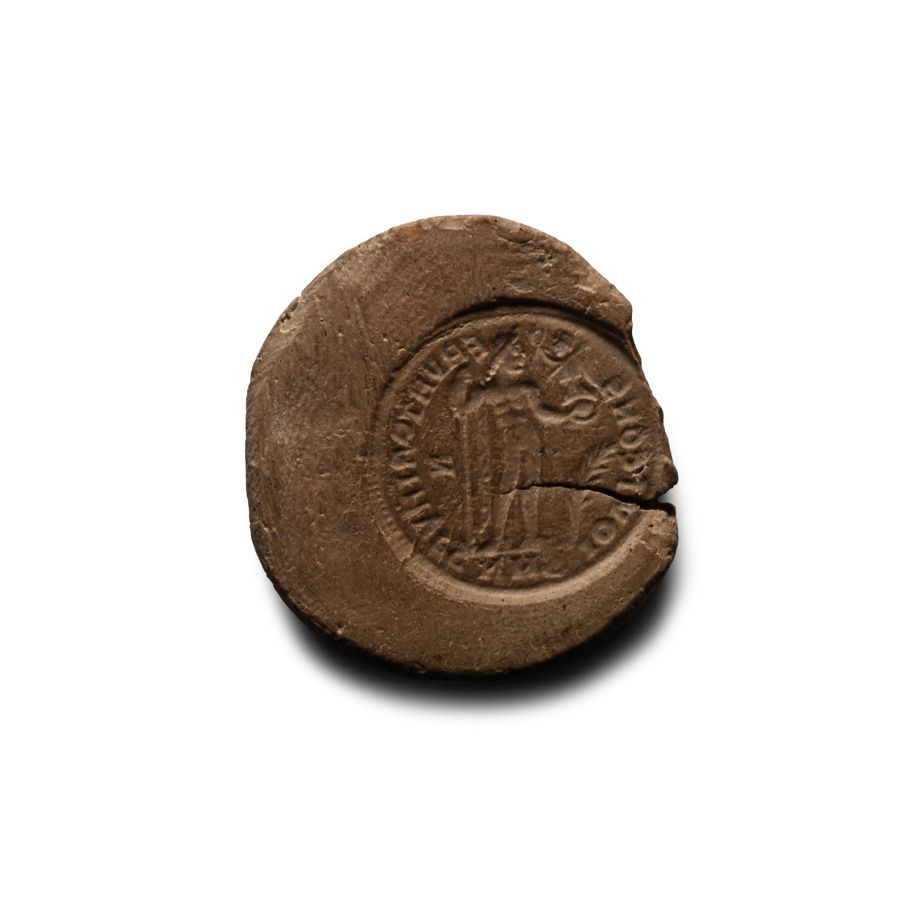
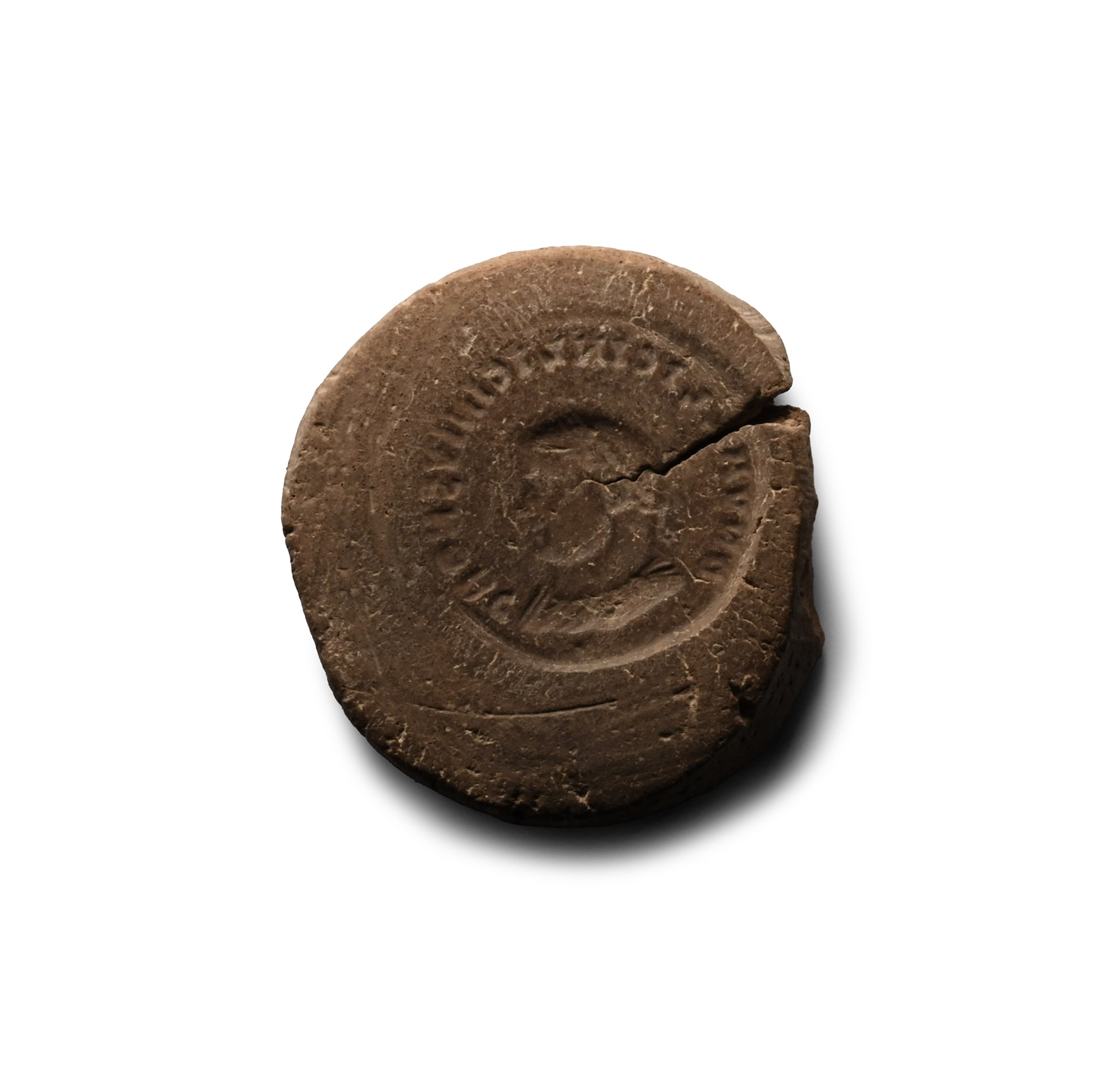
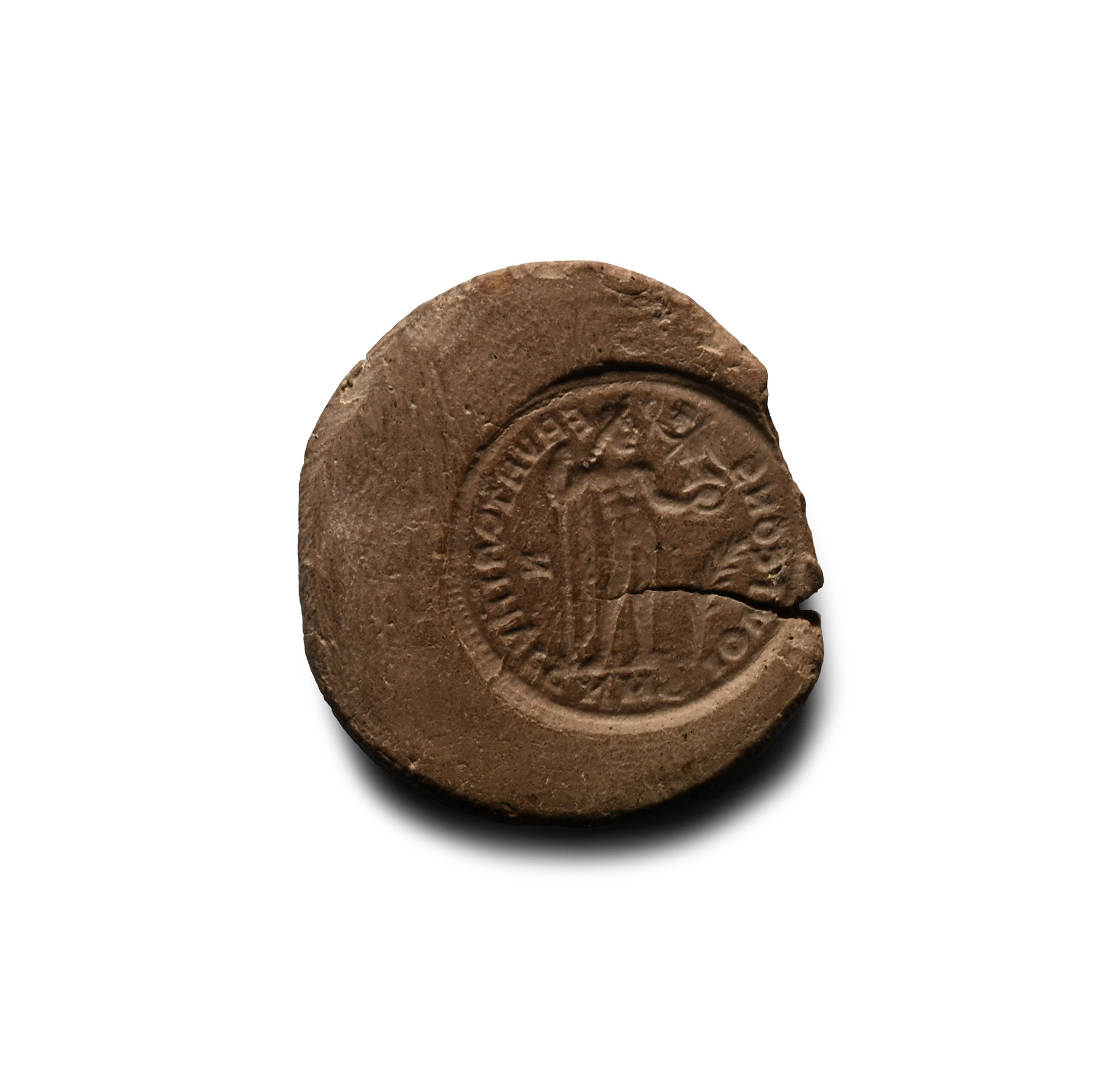
Roman Bifacial Terracotta Forger's Coin Mould
4TH CENTURY A.D.
1 1/8 in. (3.6 grams, 28 mm).
Discoid in plan, the obverse with a diademed profile bust of Constantine I, legend surrounding; the reverse with Jupiter holding Victory on globe and a sceptre on his other hand, eagle at his feet. [No Reserve]
ProvenanceFrom the collection of a gentleman, acquired on the London art market in the 1990s.
This lot is accompanied by an illustrated lot declaration signed by the Head of the Antiquities Department, Dr Raffaele D’Amato.
TimeLine Auctions follows a vetting process to ensure the authenticity and legality of all items, reinforcing our commitment to integrity and responsible trading. Each antiquity, antique, and coin lot undergoes thorough examination by a vetting committee of at least ten external specialists, professional trade association members, scientists, and archaeologists: Our Vetting Process
AUCTIONS:
TimeLine is a leading auction house specialising in antiquities, ancient art, collectables, natural history, coins, medals, and books. Our auctions offer museums, collectors, historians, and enthusiasts the opportunity to acquire unique and historically significant pieces.
-
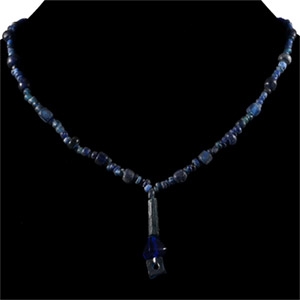
Roman Blue Glass Bead Necklace String
1st-4th century A.D. and laterSold for (Inc. bp): £104
Composed of mainly oblate and annular beads, central feature composed of a long tubular bead with a later pyramidal and an irregular bead dangle. 15.8 grams, 32.5 cm
Acquired 1980-2015. Ex Abelita family collection. This lot is accompanied by an illustrated lot declaration signed by the Head of the Antiquities Department, Dr Raffaele D’Amato. -
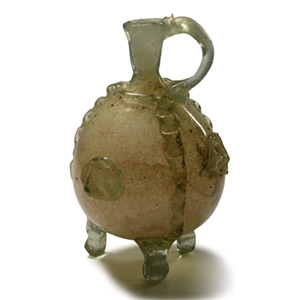
Late Roman Glass Vessel with Trail
4th-5th century A.D.Sold for (Inc. bp): £715
Globular body with narrow funicular neck and squared rim, applied trail strap handle; three applied discs to the equator, two with an impressed cross; applied trail collar to the shoulder and three vertical corrugated trails extending to stub feet, rim restored. 78.1 grams, 10.7 cm
with a London, UK gallery 1971-early 2000s. This lot is accompanied by an illustrated lot declaration signed by the Head of the Antiquities Department, Dr Raffaele D’Amato. -
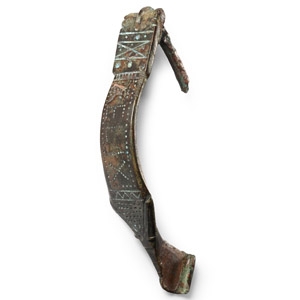
Roman Bronze 'FELIX' Bow Brooch
1st century A.D.Sold for (Inc. bp): £208
Aucissa-type bow brooch with hinged pin and broad catchplate, notched edges to the head, punched-point detailing and legend 'FELIX' to the bow. 19 grams, 76 mm
Ex German art market, 2000s. Acquired from an EU collector living in London. From the collection of Surrey, UK, gentleman. This lot is accompanied by an illustrated lot declaration signed by the Head of the Antiquities Department, Dr Raffaele D’Amato.
'Felix' in Latin can mean 'happy' or 'fortunate'.
