
Loading, please wait...
LOT 0859
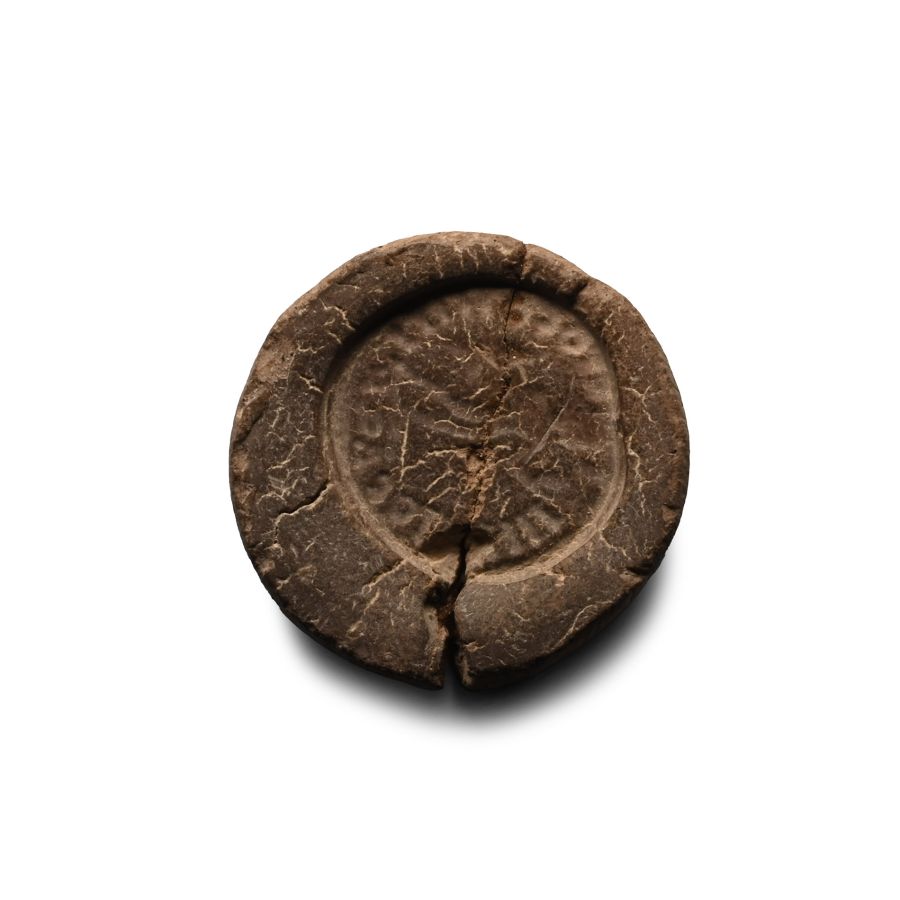
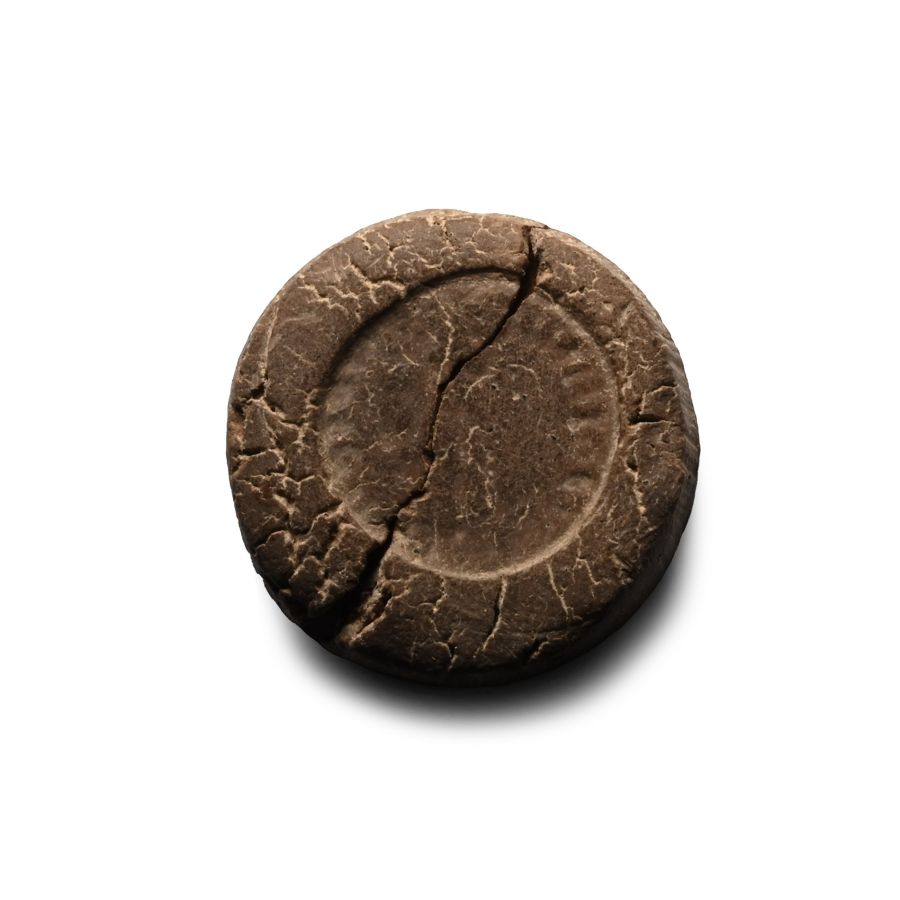
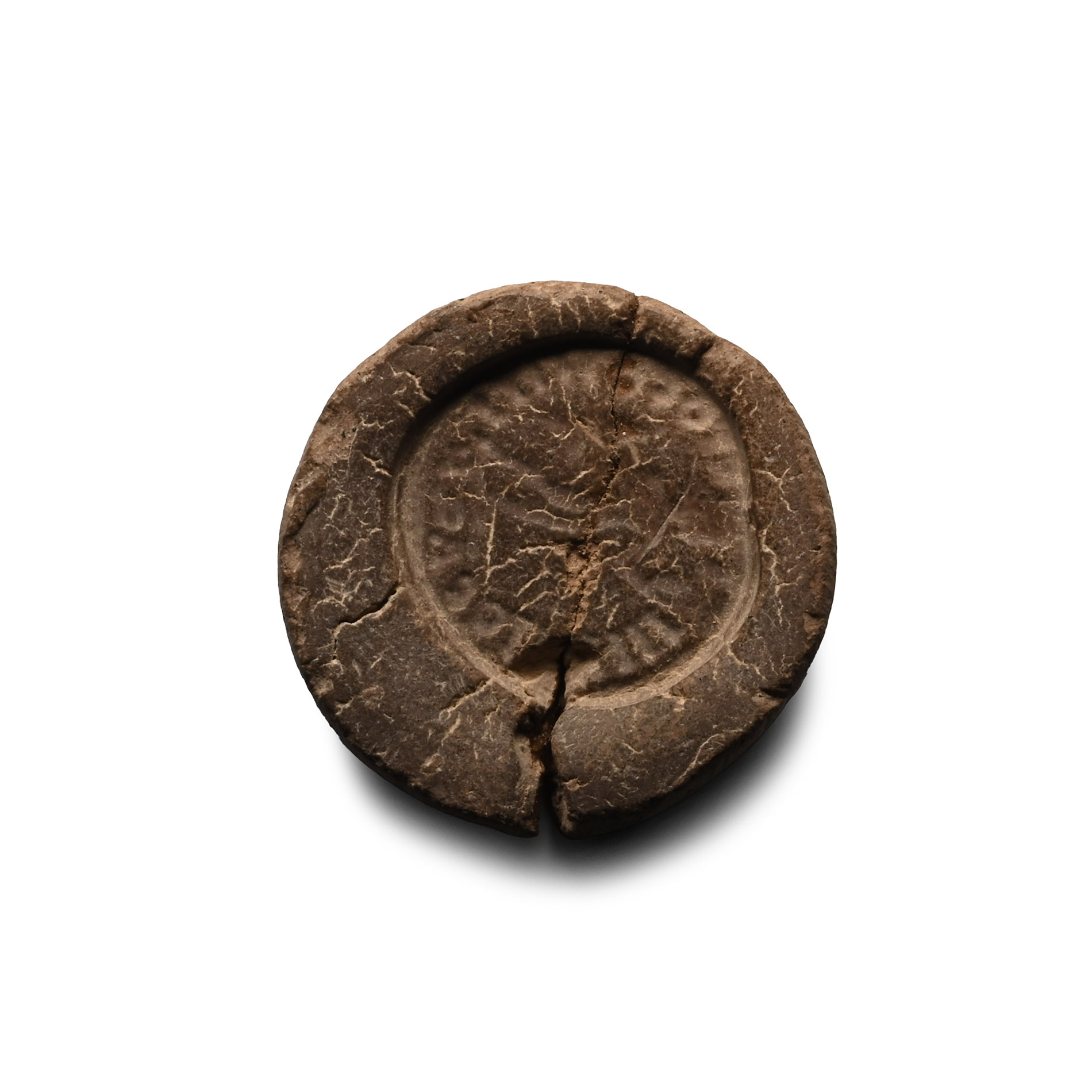
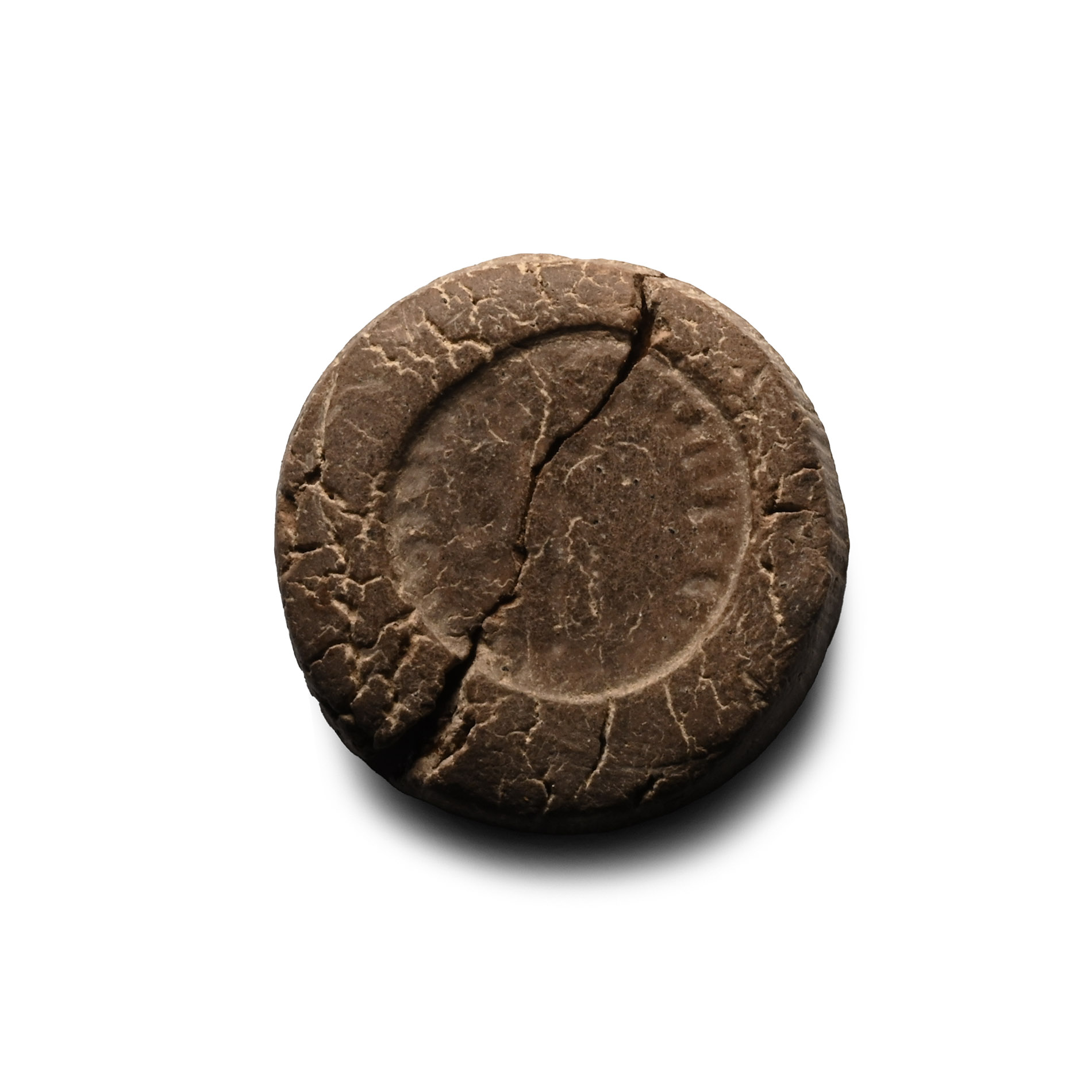
Roman Bifacial Terracotta Forger's Coin Mould
3RD CENTURY A.D.
1 in. (5.21 grams, 27 mm).
Discoid in plan, both sides with a standing figure, legend surrounding. [No Reserve]
ProvenanceFrom the collection of a gentleman, acquired on the London art market in the 1990s.
This lot is accompanied by an illustrated lot declaration signed by the Head of the Antiquities Department, Dr Raffaele D’Amato.
TimeLine Auctions follows a vetting process to ensure the authenticity and legality of all items, reinforcing our commitment to integrity and responsible trading. Each antiquity, antique, and coin lot undergoes thorough examination by a vetting committee of at least ten external specialists, professional trade association members, scientists, and archaeologists: Our Vetting Process
AUCTIONS:
TimeLine is a leading auction house specialising in antiquities, ancient art, collectables, natural history, coins, medals, and books. Our auctions offer museums, collectors, historians, and enthusiasts the opportunity to acquire unique and historically significant pieces.
-
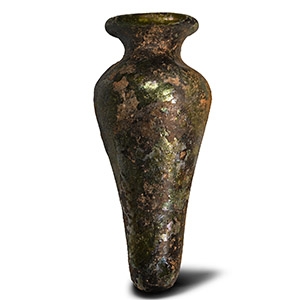
Roman Conical Green Glass Vessel
1st-3rd century A.D.Sold for (Inc. bp): £169
With broad rounded shoulder tapering to a conical foot, low cylindrical neck and everted mouth with rolled rim. 52 grams, 12.5 cm
Ex London art market 1990s. From a London, UK, collection. This lot is accompanied by an illustrated lot declaration signed by the Head of the Antiquities Department, Dr Raffaele D’Amato. -
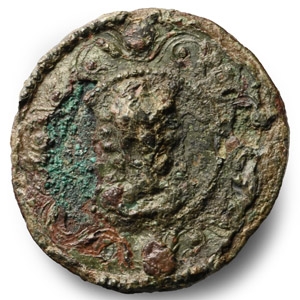
Roman Bronze Plate Brooch with Portrait of an Emperor
2nd century A.D.Sold for (Inc. bp): £46
Discoid with volute scroll border to the outer edge, central raised image of a profile bust of possibly Tiberius within a beaded border; remains of pin-lugs and catchplate to the reverse. 9.47 grams, 32 mm
Acquired on the UK art market before 2000. Property of an Essex, UK, gentleman. This lot is accompanied by an illustrated lot declaration signed by the Head of the Antiquities Department, Dr Raffaele D’Amato. -
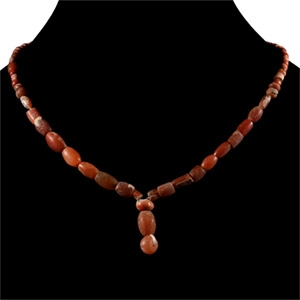
Roman Glass Bead Necklace String
1st-4th century A.D. and laterSold for (Inc. bp): £111
Composed of graduated barrel-, drum-shaped, and round beads with a central pendant feature of three beads; restrung. 22.7 grams, 35 cm
Acquired 1980-2015. Ex Abelita family collection. This lot is accompanied by an illustrated lot declaration signed by the Head of the Antiquities Department, Dr Raffaele D’Amato.
