
Loading, please wait...



LOT 0757
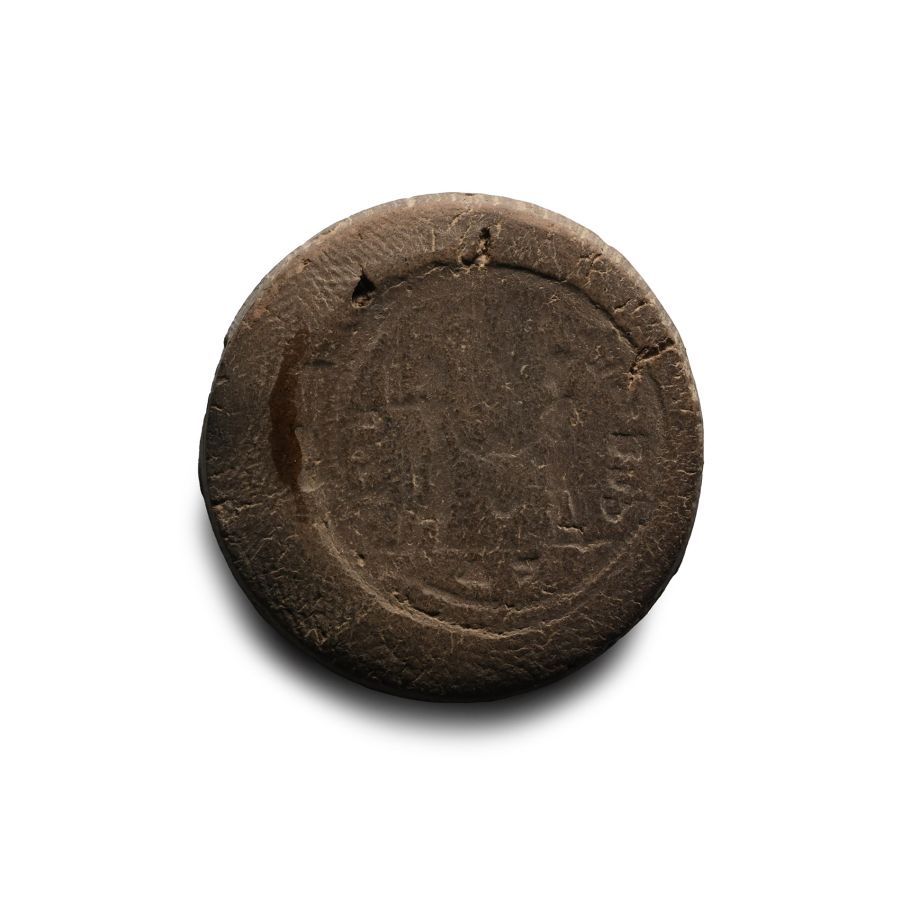
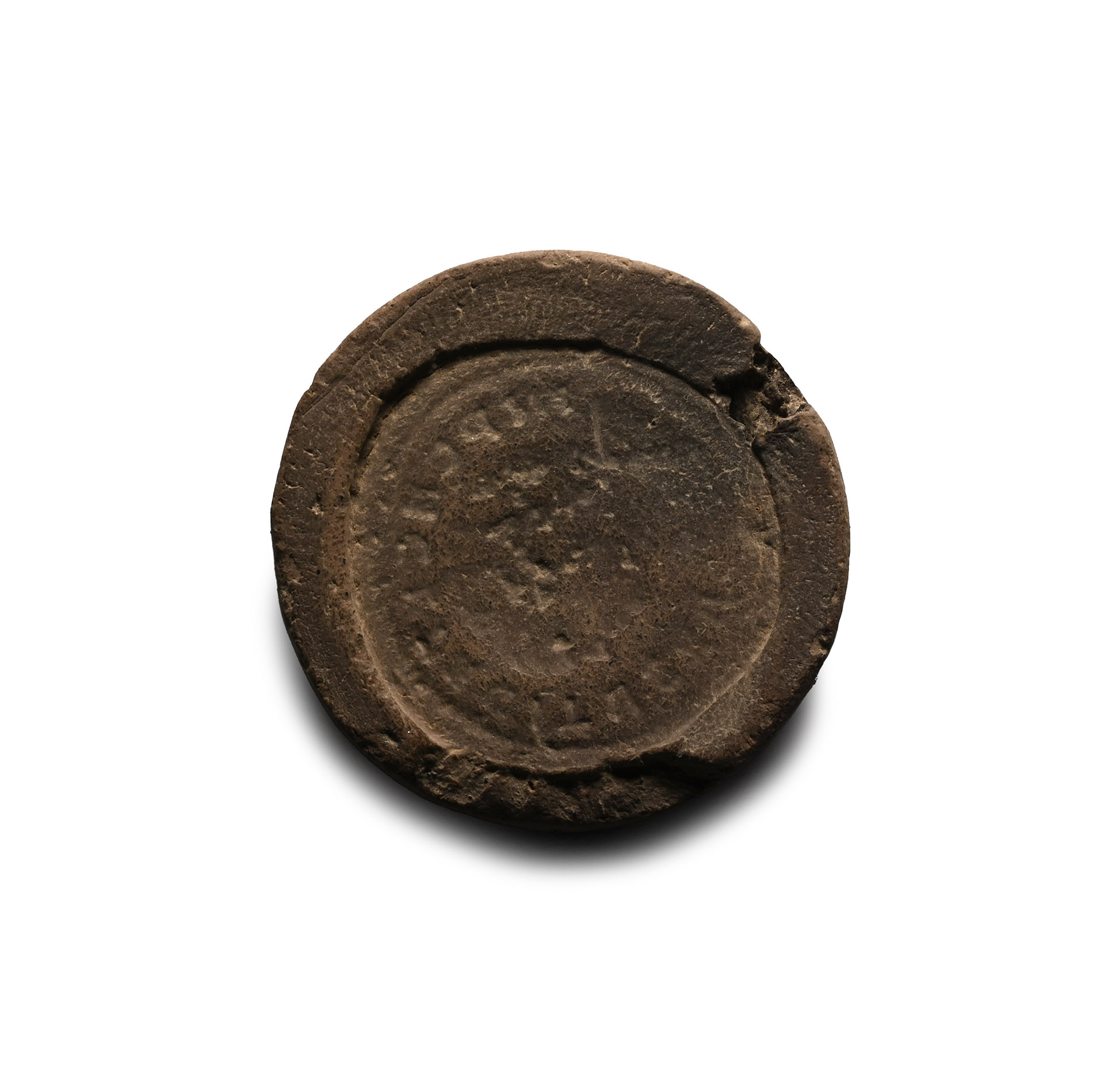
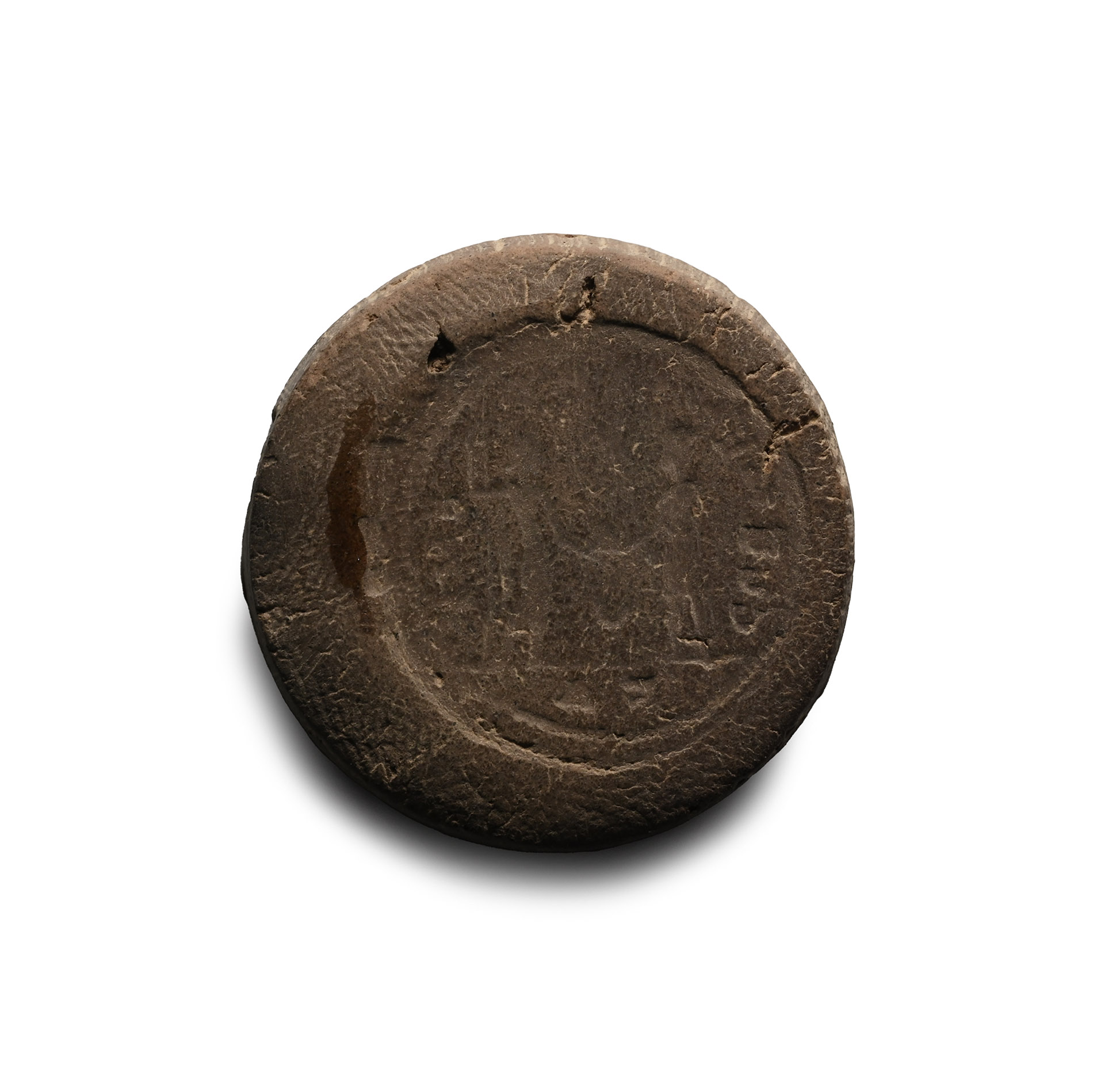
Roman Bifacial Terracotta Forger's Coin Mould
1ST-3RD CENTURY A.D.
1 1/8 in. (5 grams, 28 mm).
Discoid in plan, the obverse with profile bust of an emperor wearing a radiate crown, legend surrounding; the reverse with two opposing figures, legend surrounding. [No Reserve]
ProvenanceFrom the collection of a gentleman, acquired on the London art market in the 1990s.
CONDITIONTimeLine Auctions follows a vetting process to ensure the authenticity and legality of all items, reinforcing our commitment to integrity and responsible trading. Each antiquity, antique, and coin lot undergoes thorough examination by a vetting committee of at least ten external specialists, professional trade association members, scientists, and archaeologists: Our Vetting Process
AUCTIONS:
TimeLine is a leading auction house specialising in antiquities, ancient art, collectables, natural history, coins, medals, and books. Our auctions offer museums, collectors, historians, and enthusiasts the opportunity to acquire unique and historically significant pieces.
-
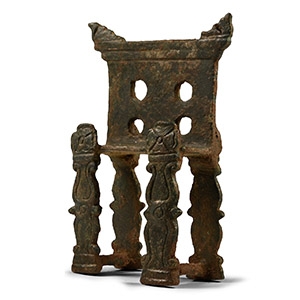
Late Roman Bronze Throne for a Seated Figure of a Bishop or High Functionary
6th century A.D.Sold for (Inc. bp): £1,300
Miniature throne with rectangular seat, four balustered legs with rosette uppers and tiered feet, pierced rectangular back with spurs to the upper corners. 118 grams, 89 mm
Ex Gorny and Mosch, c. 2005. From the private collection of Mr K.A. -
.jpg)
Romano-British Bronze Chariot Terret Ring
Circa 1st century A.D.Sold for (Inc. bp): £176
Comprising a substantial ring mounted on a short neck with tiered collars and facetted flared flange below; three radiating carinated knops, loop to the underside. 76.36 grams, 70.36 mm overall, 21.92 mm internal diameter (approximate size British V, USA 10 1/2, Europe 23.77, Japan 22)
Found Thetford, Norfolk. From an East Anglian private collection. -
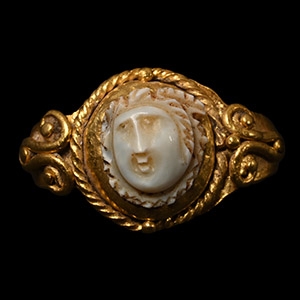
Roman Gold Ring with Medusa Cameo
2nd century A.D.Sold for (Inc. bp): £1,560
With applied filigree to the shoulders and stepped discoid bezel, inset cameo gorgoneion within a filigree collar. 4.78 grams, 20.55 mm overall, 17.09 mm internal diameter (approximate size British F, USA 2 3/4, Europe 3.67, Japan 3)
From the private collection of Mr K.A., acquired in the 1990s-early 2000s.
