
Loading, please wait...

LOT 0158
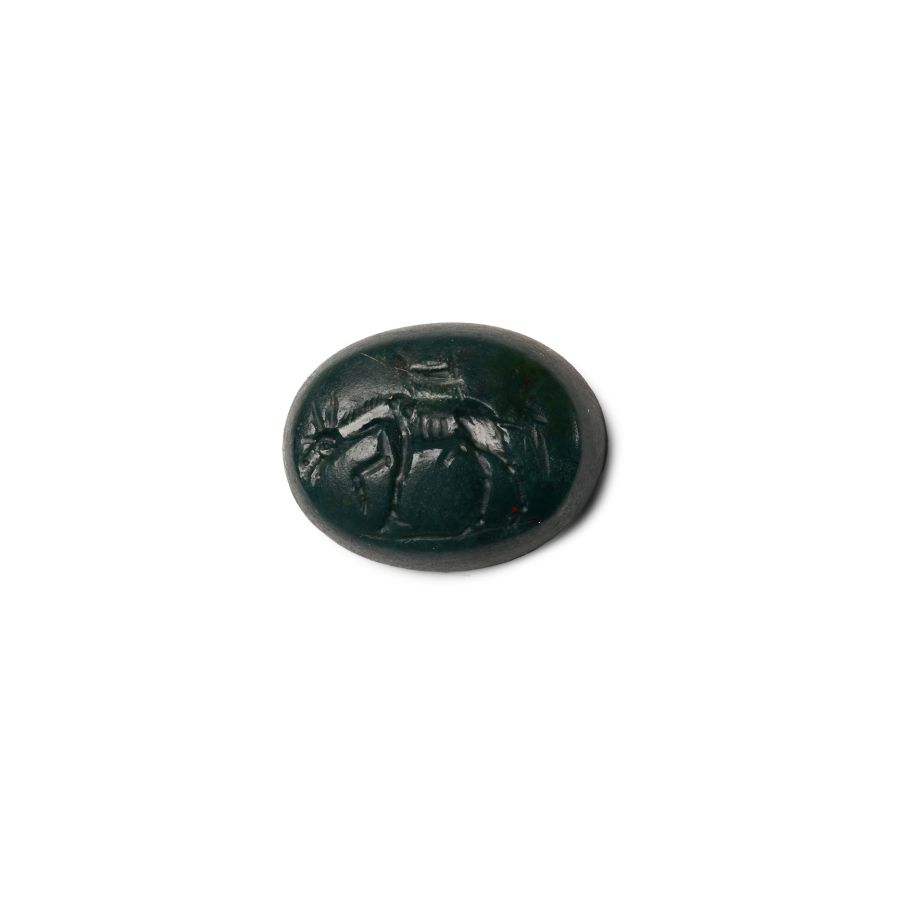
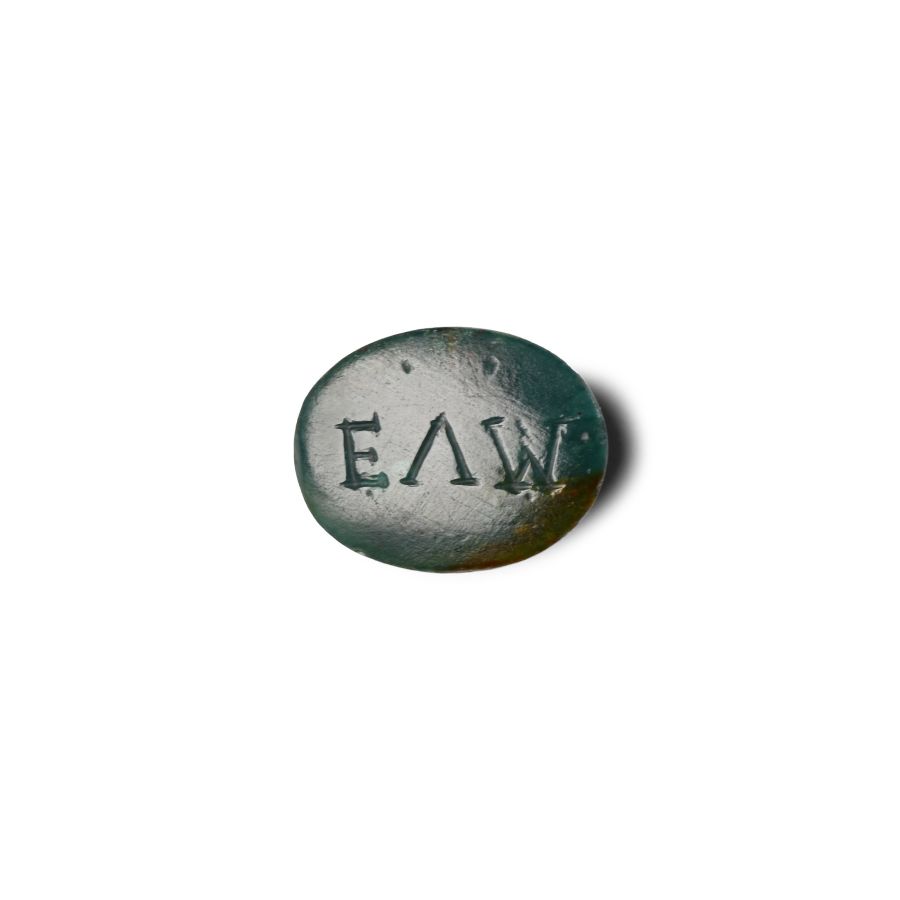
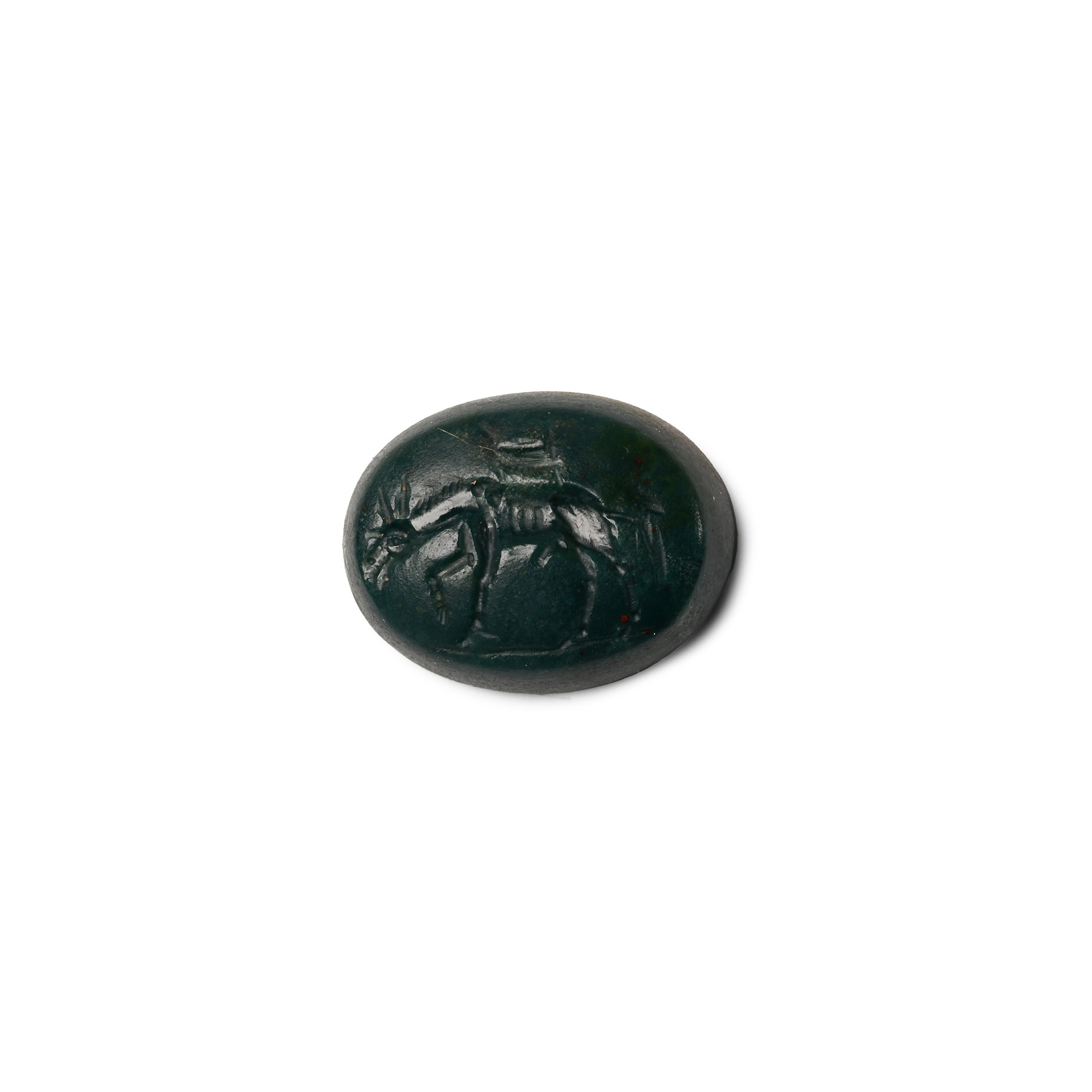
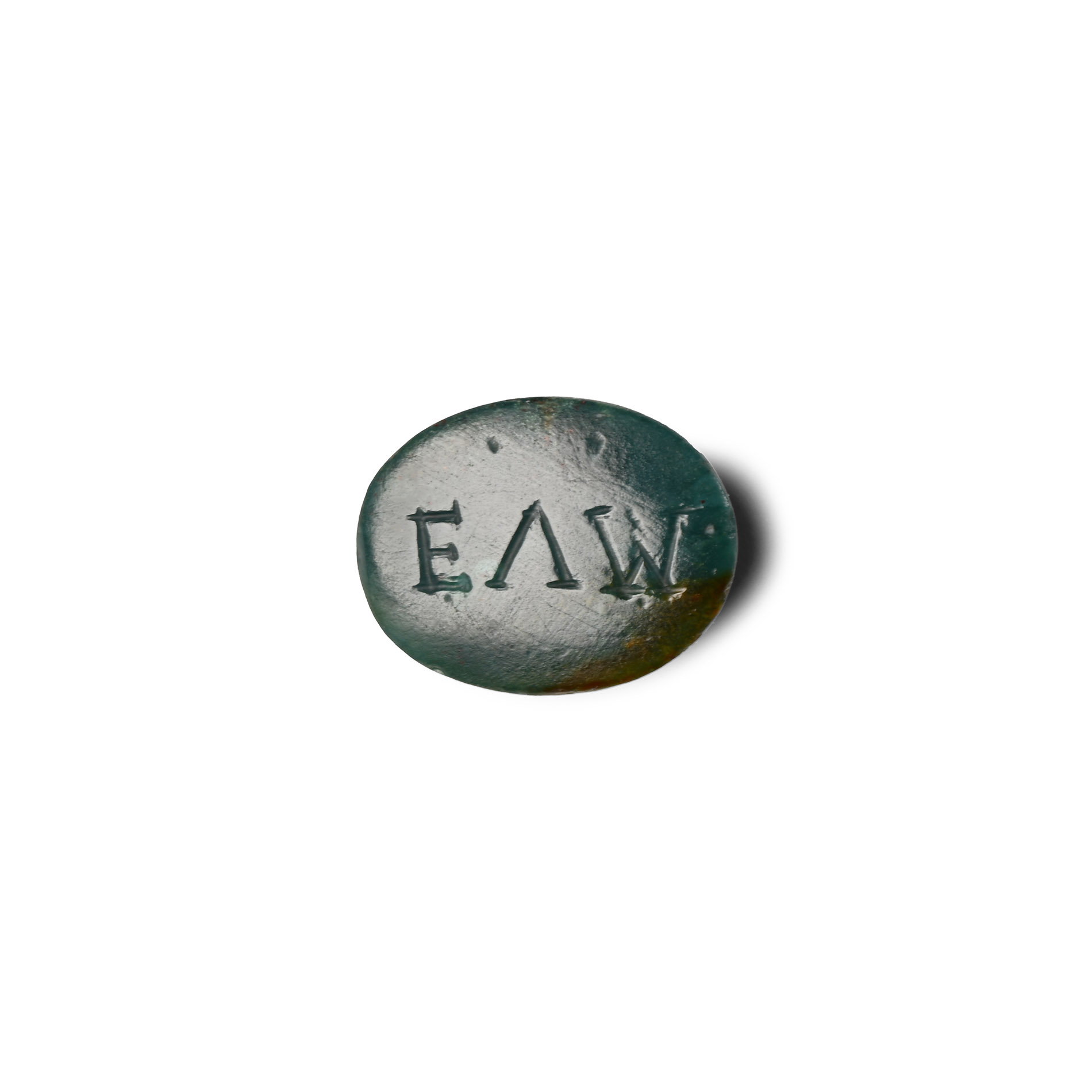
Roman Bifacial Green Jasper Gemstone with Saddled Male Donkey and EVM
1ST CENTURY A.D.
1/2 in. (0.98 grams, 12 mm).
The intaglio with a donkey (mule?) grazing, body facing right; Latin inscription on the verso ‘EVM’ (him).
ProvenanceAcquired in the late 1980s-early 1990s.
Important North West London collection.
Cf., for a similar gemstone in the Venezia Archaeological National Museum, inventory no.G138; cf. Sena Chiesa, G., Gemme del Museo Nazionale di Aquileia, 1966, no.1050, p.349.
FootnotesDonkeys were used by the Roman army from circa 200 B.C. but mules, the hybrid offspring of a male donkey and a female horse, were to become the most important working animals for the military and were used to pull heavy artillery such as catapults. It has been estimated that there were probably half a million mules serving in the Roman army by the time of Augustus (31 B.C.-A.D. 14). DNA studies have now shown that mules may have comprised up to 50% of the equids in the Roman Empire. The use of pack-mules for the army continued in the Eastern Roman army until the fall of Constantinople.
CONDITIONTimeLine Auctions follows a vetting process to ensure the authenticity and legality of all items, reinforcing our commitment to integrity and responsible trading. Each antiquity, antique, and coin lot undergoes thorough examination by a vetting committee of at least ten external specialists, professional trade association members, scientists, and archaeologists: Our Vetting Process
AUCTIONS:
TimeLine is a leading auction house specialising in antiquities, ancient art, collectables, natural history, coins, medals, and books. Our auctions offer museums, collectors, historians, and enthusiasts the opportunity to acquire unique and historically significant pieces.
LOT 0158
Roman Bifacial Green Jasper Gemstone with Saddled Male Donkey and EVM
Estimate £800 - 1,000€930 - 1,160 (for guidance only)$1,080 - 1,350 (for guidance only)
-
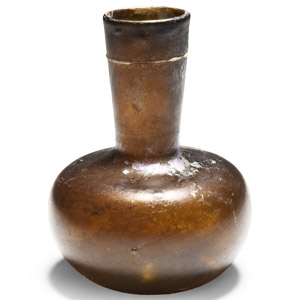
Roman Amber Glass Vase with Trail
Circa 2nd-3rd century A.D.Sold for (Inc. bp): £65
A squat piriform bottle, dimpled base, broad funicular neck with blue trail. 59 grams, 10.2 cm high
Acquired 1970s-1996. Property of a North American collector. London collection, 2016. -
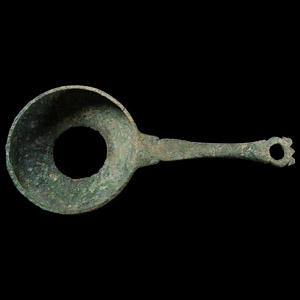
Graeco-Roman Bronze Patera with Duck-Head Handle
3rd century B.C.-3rd century A.D.Estimate: £400 - 600 (‡+bp*)
Opening Bid: £200
The bowl with a convex outer face and notched lip, decoratively waisted handle with addorsed duck heads to the apex of the suspension loop; base of bowl absent. 314 grams, 30 cm
Acquired in Europe before 1995. -
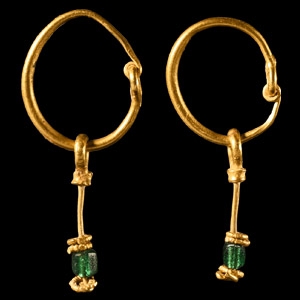
Gold Earrings with Beads
Roman, 1st-4th century A.D. and laterSold for (Inc. bp): £585
Each composed of a slender round-section hoop tapering towards the closure, free-running dangle featuring an emerald green glass bead between gold annular beads. 4.41 grams total, 35-37 mm
From a late Japanese specialist collector, 1970-2000s.
