
Loading, please wait...

LOT 0655
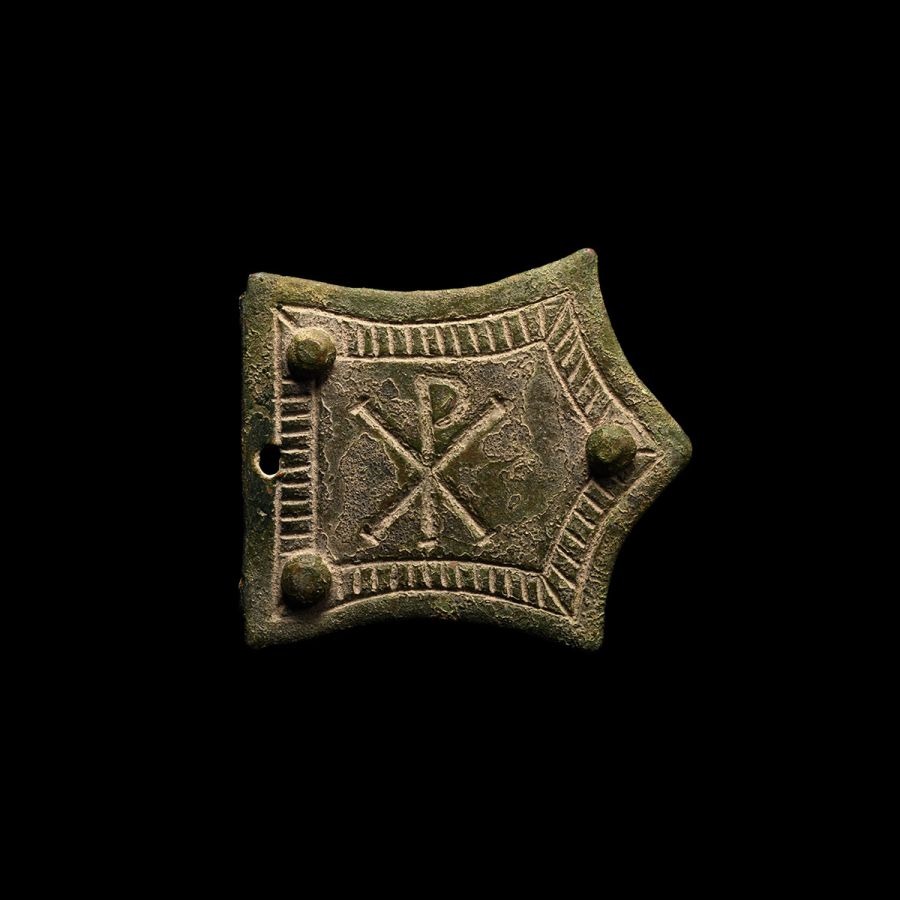
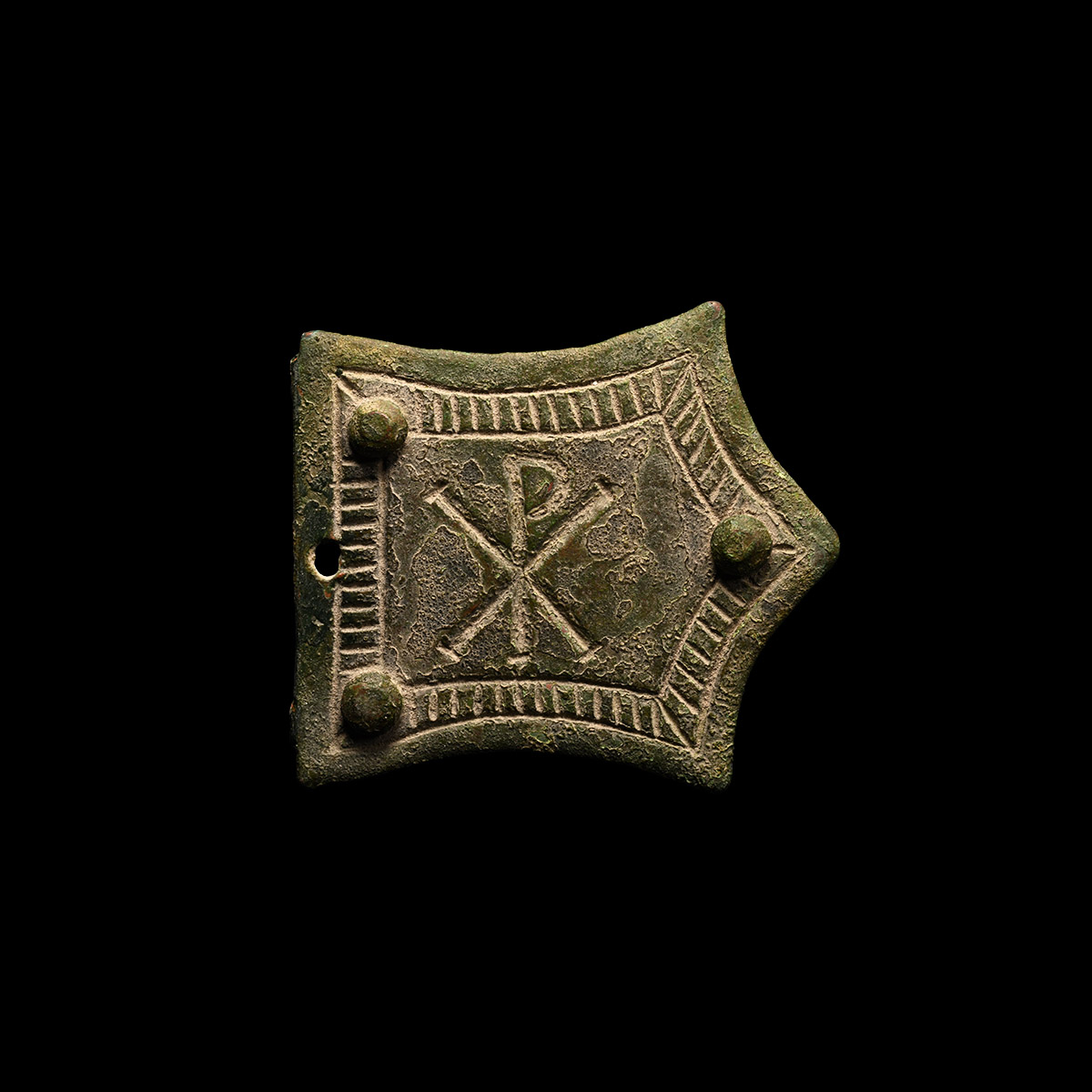
Roman Belt Mount with Chi Rho
CIRCA 3RD-4TH CENTURY A.D.
2 1/8 in. (25.9 grams, 55 mm).
A bronze pentagonal mount with scooped edges, four piercings to accept fixing rivets, hatched band enclosing an incuse Chi Rho christogram. [No Reserve]
ProvenanceAcquired in the late 1990s-2000.
Property of an East London gentleman.
See Bishop, M.C. & Coulston, J.C.N., Roman Military Equipment From the Punic Wars to the Fall of Rome, London, 1993, p.214, for discussion of the chi-rho symbol as a helmet badge in the later 4th century A.D.
CONDITIONTimeLine Auctions follows a vetting process to ensure the authenticity and legality of all items, reinforcing our commitment to integrity and responsible trading. Each antiquity, antique, and coin lot undergoes thorough examination by a vetting committee of at least ten external specialists, professional trade association members, scientists, and archaeologists: Our Vetting Process
AUCTIONS:
TimeLine is a leading auction house specialising in antiquities, ancient art, collectables, natural history, coins, medals, and books. Our auctions offer museums, collectors, historians, and enthusiasts the opportunity to acquire unique and historically significant pieces.
-
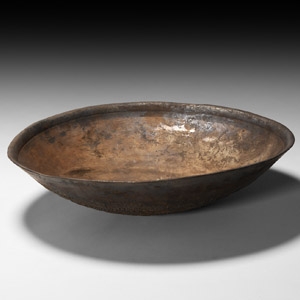
Roman Silver Dish with Marine Encrustations
1st-3rd century A.D.Estimate: £2,000 - 3,000 (‡+bp*)
Opening Bid: £500
A sheet silver dish, shallow with thickened rim; marine encrustations to the outer face. 396 grams, 21 cm wide
Acquired early 1990s. Ex private American collection; thence by descent. Private Swiss collection since 1998. This lot has been checked against the Interpol Database of stolen works of art and is accompanied by search certificate no.11631-199032. -
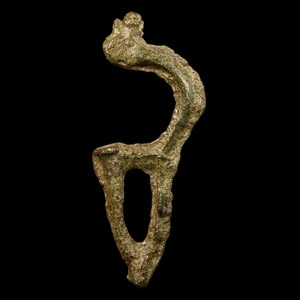
Roman Unfinished Brooch Casting
2nd-3rd century A.D.Sold for (Inc. bp): £33
An unfinished copper-alloy brooch casting of simple fibula form, with visible seams. 6.1 grams, 44 mm
Acquired in the 1970s. Important European collection. -
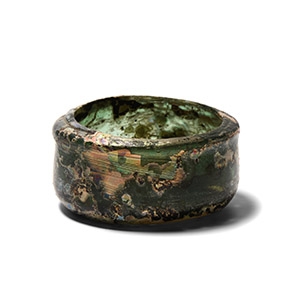
Roman Glass Cosmetic Dish
1st-3rd century A.D.Sold for (Inc. bp): £169
A green glass cosmetic dish or jar with a squat body and inverted rim; iridescent surfaces. 60 grams, 56 mm wide
French collection, 1960s-early 2000s. From an important Paris gallery, France.
