
Loading, please wait...


LOT 0882
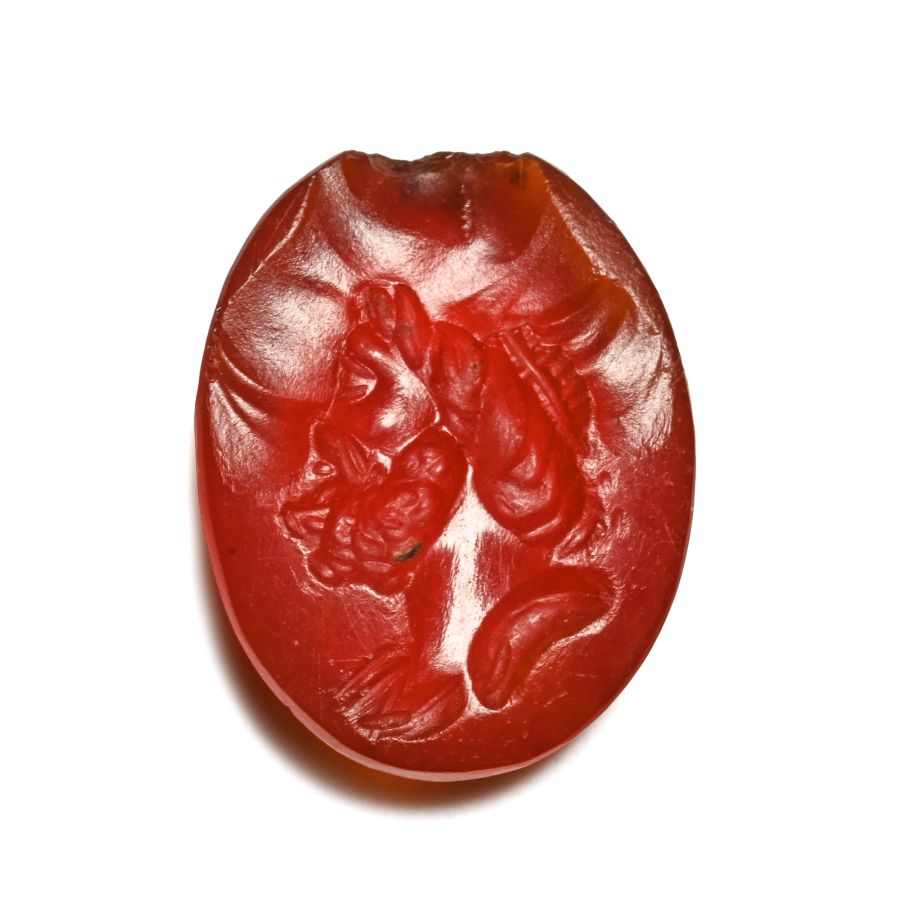
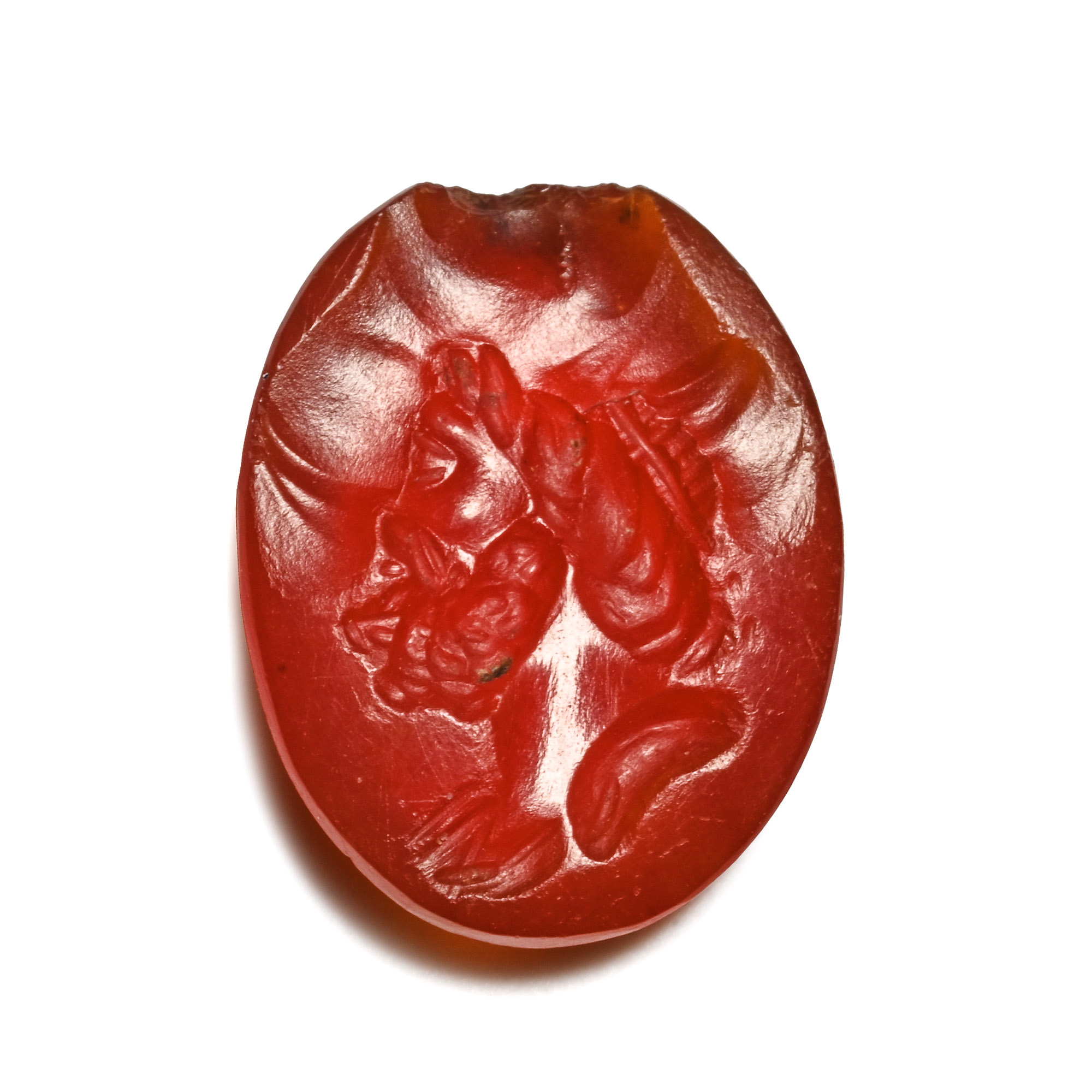
Roman Banded Gemstone with Bearded Portrait
2ND-3RD CENTURY A.D.
1/2 in. (0.47 grams, 12 mm).
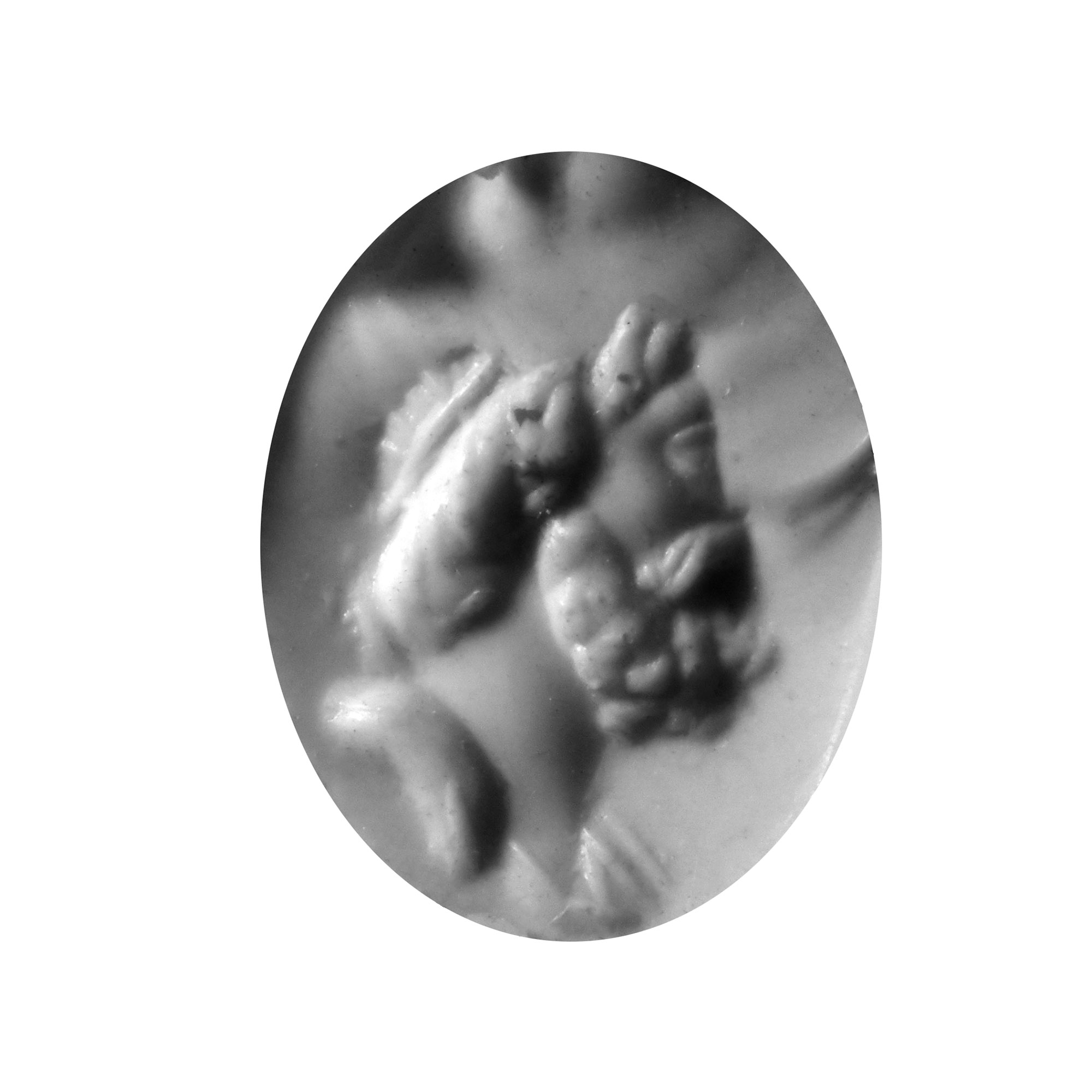
Ellipsoid type with incuse bearded portrait bust; chipped; supplied with a museum-quality impression. [No Reserve]
ProvenanceFrom the private collection of a European gentleman (1942-2024), formed since the 1970s.
CONDITIONTimeLine Auctions follows a vetting process to ensure the authenticity and legality of all items, reinforcing our commitment to integrity and responsible trading. Each antiquity, antique, and coin lot undergoes thorough examination by a vetting committee of at least ten external specialists, professional trade association members, scientists, and archaeologists: Our Vetting Process
AUCTIONS:
TimeLine is a leading auction house specialising in antiquities, ancient art, collectables, natural history, coins, medals, and books. Our auctions offer museums, collectors, historians, and enthusiasts the opportunity to acquire unique and historically significant pieces.
-
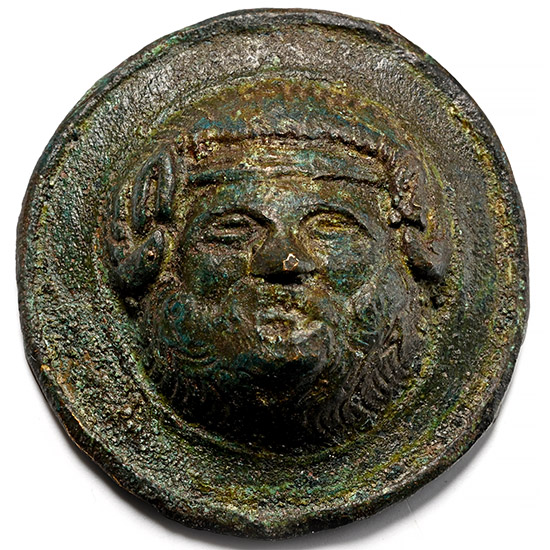
Roman Bronze Mount with Satyr Face
1st-4th century A.D.Sold for (Inc. bp): £91
Discoid mount with a raised bearded face at the centre in three-quarter view, browband resting on the forehead, pointy goat's ears and curving horns. 24.3 grams, 43 mm
Found Lincolnshire, UK. -
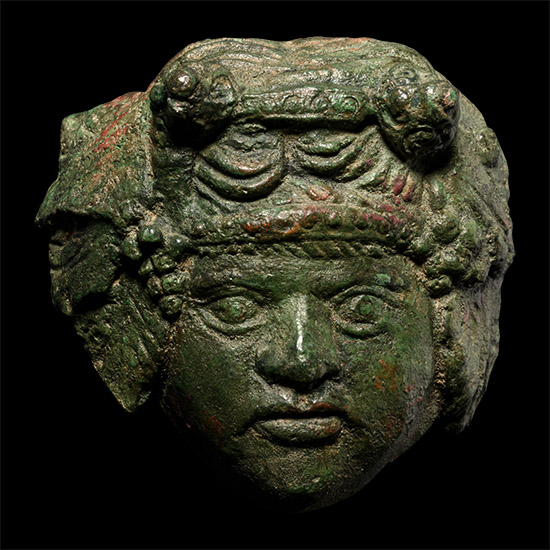
Roman Bronze Head of Dionysus Mount
1st-2nd century A.D.Sold for (Inc. bp): £546
Large convex mount depicting the head of the god of wine, shown facing with rounded cheeks and staring eyes, large vine leaves with bunches of grapes framing his face; ferrous spike on the reverse. 103 grams, 61 mm
Ex German art market, 2000s. Acquired from an EU collector living in London. From the collection of a Surrey, UK, gentleman. -
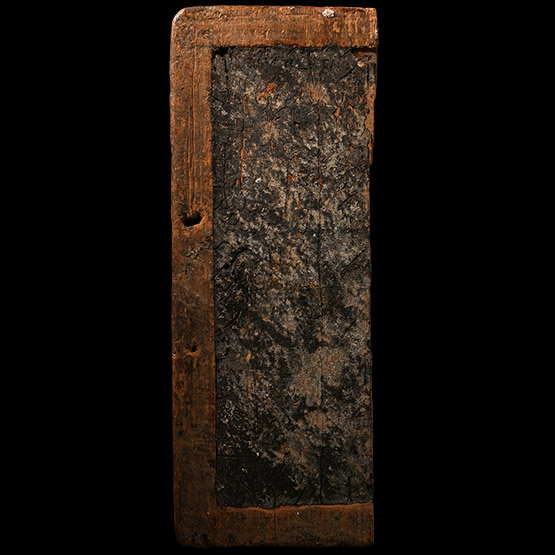
Roman Wooden Wax Tablet Fragment Written in Greek
Circa 3rd-4th century A.D.Sold for (Inc. bp): £1,430
Part of a wax tablet with two holes in the frame for fastening, Greek writing. 45.45 grams, 18.6 x 7.2 cm
Property of a North London gentleman; previously in the Dean family collection since 1975.
Wax tablets written in Greek or Latin, were used by Romans as account registers (codices accepti et expensi); for transactions (for example, the tablets of the banker Lucius Caecilius Iucundus found in Pompeii); for lists of goods, inventories, and notes to be kept and archived; for Roman magistrates to annotate the salient events of their bureaucratic activities; for writing letters; for drawing up legal texts of various kinds: legacies, declarations of births and citizenship, reports of trials and diplomata militaria.
