
Loading, please wait...
LOT 0170
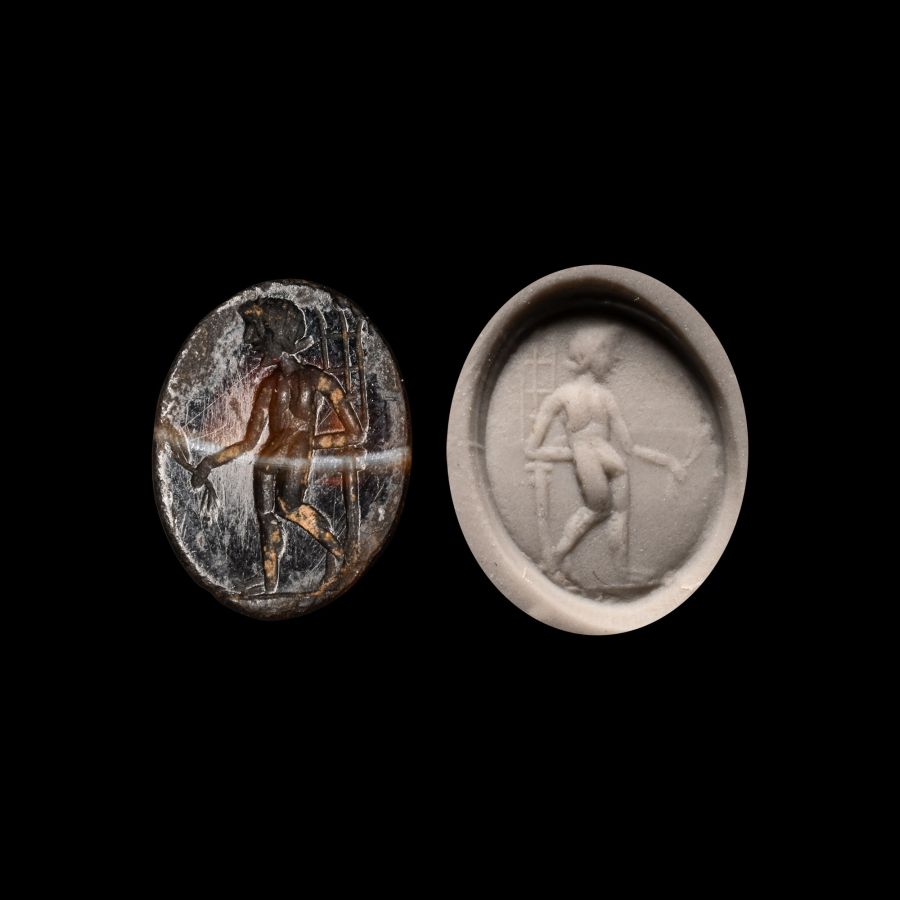
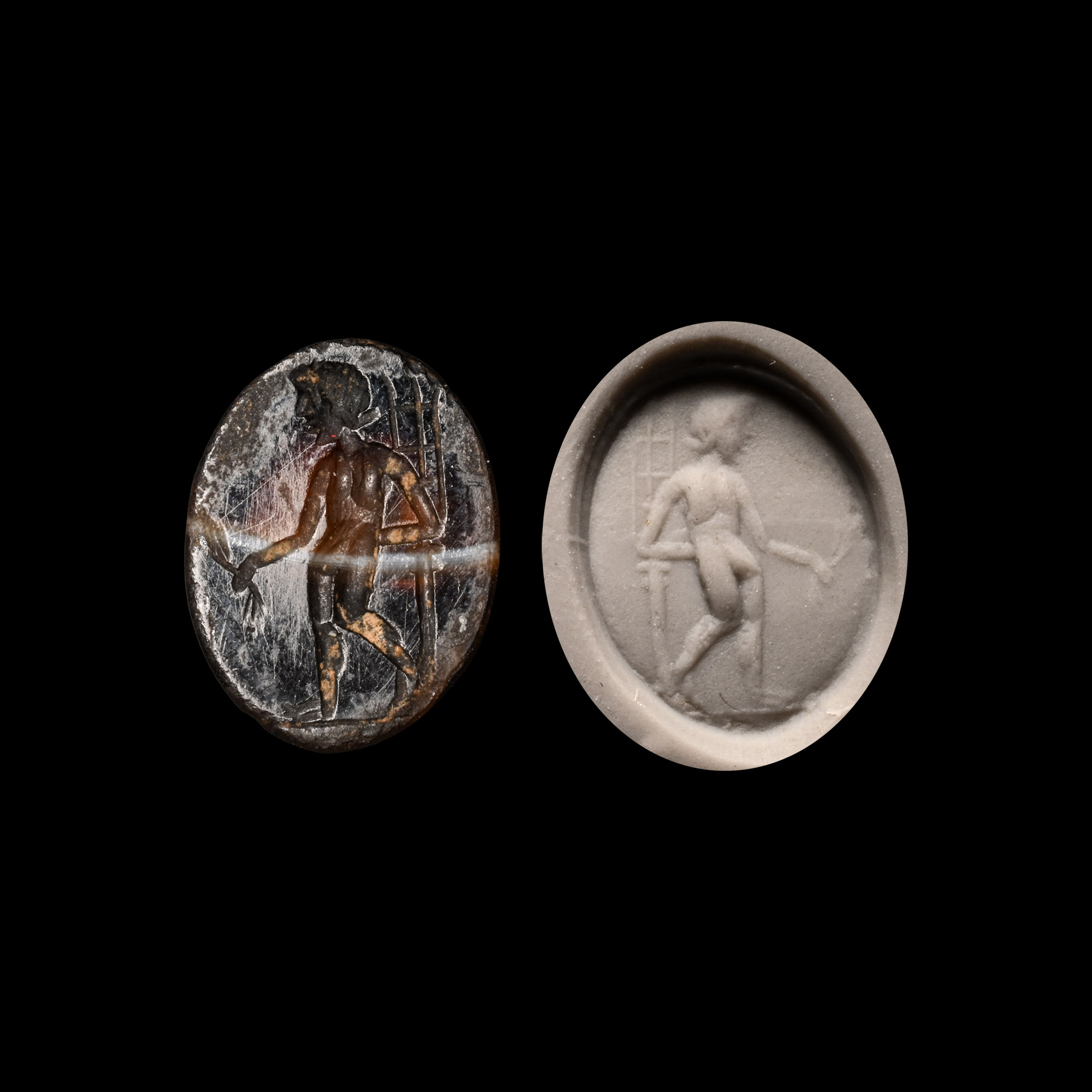
Roman Banded Agate Gemstone with Apollo
CIRCA 1ST CENTURY B.C.-1ST CENTURY A.D.
3/8 in. (0.4 grams, 12 mm).
Advancing and holding a frond, a tripod behind; supplied with a museum-quality impression.
ProvenanceFrom the collection of a Swiss gentleman formed in Europe from 1970-1980s; thence by descent from the family in London.
CONDITIONTimeLine Auctions follows a vetting process to ensure the authenticity and legality of all items, reinforcing our commitment to integrity and responsible trading. Each antiquity, antique, and coin lot undergoes thorough examination by a vetting committee of at least ten external specialists, professional trade association members, scientists, and archaeologists: Our Vetting Process
AUCTIONS:
TimeLine is a leading auction house specialising in antiquities, ancient art, collectables, natural history, coins, medals, and books. Our auctions offer museums, collectors, historians, and enthusiasts the opportunity to acquire unique and historically significant pieces.
LOT 0170
Roman Banded Agate Gemstone with Apollo
Estimate £300 - 400€350 - 460 (for guidance only)$410 - 540 (for guidance only)
-
Large Roman Terracotta Jar
1st-4th century A.D.Sold for (Inc. bp): £130
With narrow base, bulbous body, broad neck, carinated collar to the rim. 2.9 kg, 33.5 cm high
Acquired 1980-2015. Ex Abelita family collection. -
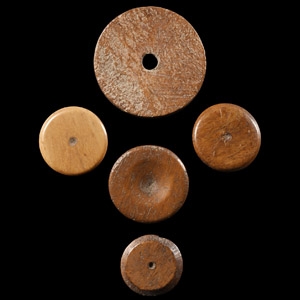
Roman 'Thames' Bone Gaming Counter Group
1st-4th century A.D.Sold for (Inc. bp): £208
Mixed group of discoid counters, two pierced. 8.15 grams total, 15-27 mm
Found Billingsgate spoil from the Thames foreshore, London, UK, circa 1984. Property of an Essex collector. -
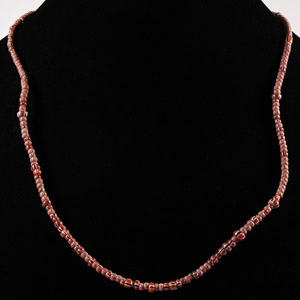
Roman Glass Bead Necklace
1st century A.D. or laterSold for (Inc. bp): £59
Restrung with a modern screw clasp; composed mainly of opaque glass beads of squat, spherical form, displaying a frieze of polychrome vertical stripes. 13.7 grams, 60 cm long
UK gallery, early 2000s.
