
Loading, please wait...
LOT 0681
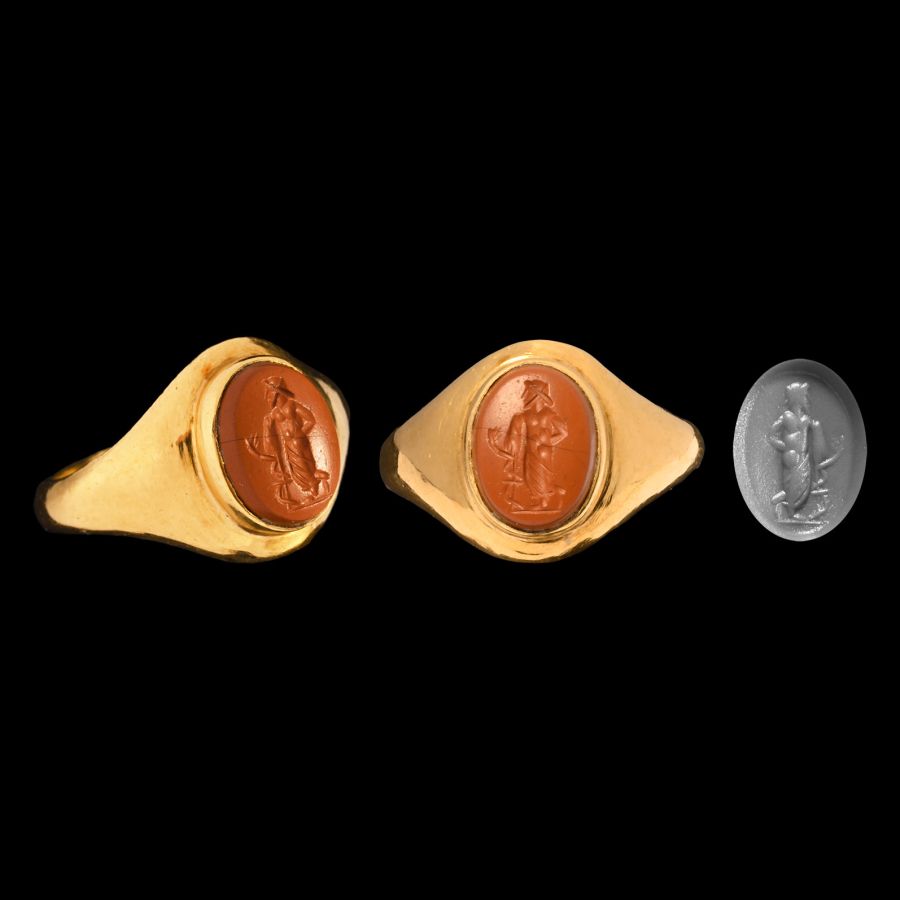
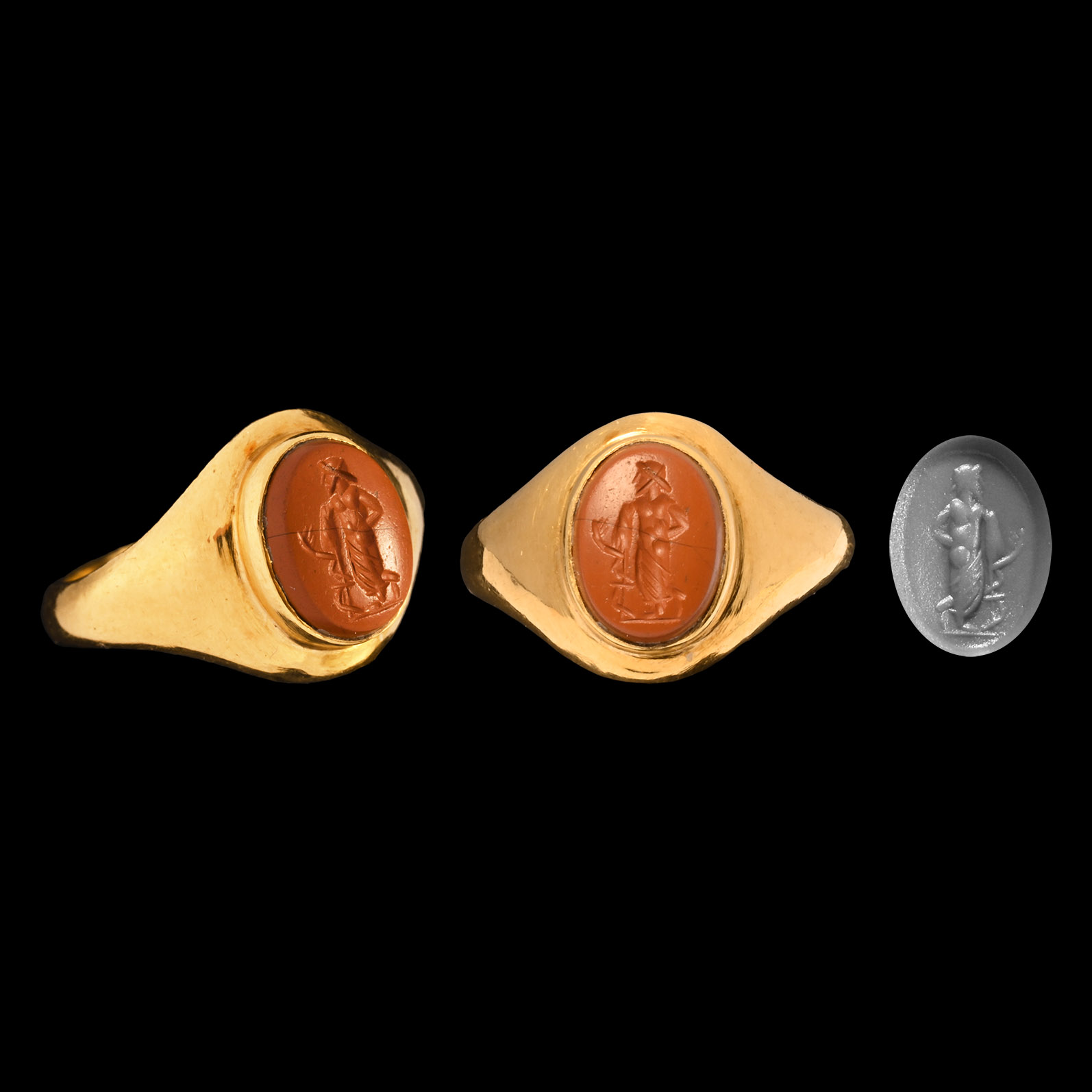
Roman Asclepius Gemstone in Gold Ring
2ND-3RD CENTURY A.D.
7/8 in. (4.99 grams, 23.32 mm overall, 16.68 mm internal diameter (approximate size British L 1/2, USA 6, Europe 11.87, Japan 11)).
A carnelian intaglio of Asclepius in a loosely draped himation with serpent coiled around his forearm, probably Asclepius the Greek god of healing; set into a later gold ring.
ProvenanceEx private East Coast, USA, collection.
with Artemis Gallery, Colorado, USA, 21 February 2017.
English private collection.
Accompanied by a copy of a certificate of authenticity from Artemis Gallery, dated 21 February 2017.
Asclepius was the Graeco-Roman god of medicine, healing, prophecy and a son of Apollo and Coronis. He had two daughters with Epione, the goddess of soothing- Hygeia (goddess of health) and Panacea (goddess of healing). As a child, Asclepius was given to the centaur Chiron, who raised him in the ways of the healing arts. During his training, Asclepius healed a snake, which in turn granted him secret knowledge. Asclepius became such a proficient healer that he discovered a way to resurrect the dead, for which Zeus had him killed, in order to maintain the balance of life on Earth, placing him on the night sky under the constellation of the Ophiuchus (the snake holder).
CONDITIONTimeLine Auctions follows a vetting process to ensure the authenticity and legality of all items, reinforcing our commitment to integrity and responsible trading. Each antiquity, antique, and coin lot undergoes thorough examination by a vetting committee of at least ten external specialists, professional trade association members, scientists, and archaeologists: Our Vetting Process
AUCTIONS:
TimeLine is a leading auction house specialising in antiquities, ancient art, collectables, natural history, coins, medals, and books. Our auctions offer museums, collectors, historians, and enthusiasts the opportunity to acquire unique and historically significant pieces.
-
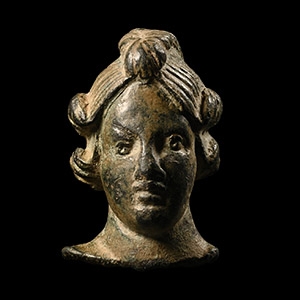
Roman Head of a Noble Lady
1st-2nd century A.D.Sold for (Inc. bp): £351
A bronze head formed as that of a Roman lady of noble rank, with an oval-shaped face, semi-naturalistic facial features and elaborately dressed hair; hollow reverse. 55.5 grams, 42 mm
Acquired early 2000s. Property of a Birmingham, UK, collector. Property of an Essex, UK, gentleman. -
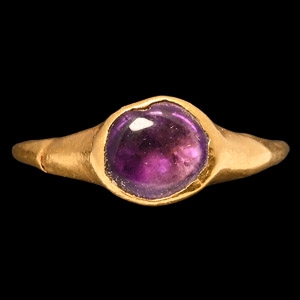
Roman Gold Ring with Gemstone
Circa 2nd-3rd century A.D.Sold for (Inc. bp): £650
A slender gold finger ring with ellipsoid cell and inset cabochon amethyst. 1.07 grams, 19.64 mm overall, 15.84 mm internal diameter (approximate size British H 1/2, USA 4, Europe 6.81, Japan 6)
UK private collection, since 1956. Formed in the 1950s by by Mr and Mrs S. Broukal, thence by decent. with Bonham's, London, New Bond Street, 30 November 2016, lot 155 [Part]. English private collection. -
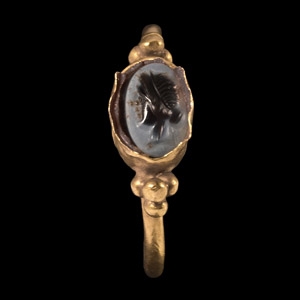
Roman Gold Ring with Portrait Gemstone
1st century B.C-2nd century A.D.Sold for (Inc. bp): £585
A nicolo gemstone with profile portrait bust, set in a 2nd century A.D. hollow-formed gold ring with granule clusters to the shoulders. 2.55 grams, 23.99 mm overall, 16.55 mm internal diameter (approximate size British M, USA 6, Europe 12.46, Japan 12)
UK private collection, since 1956. Formed in the 1950s by by Mr and Mrs S. Broukal, thence by decent. with Bonham's, London, New Bond Street, 30 November 2016, lot 155 [Part]. English private collection.
