
Loading, please wait...


LOT 0602
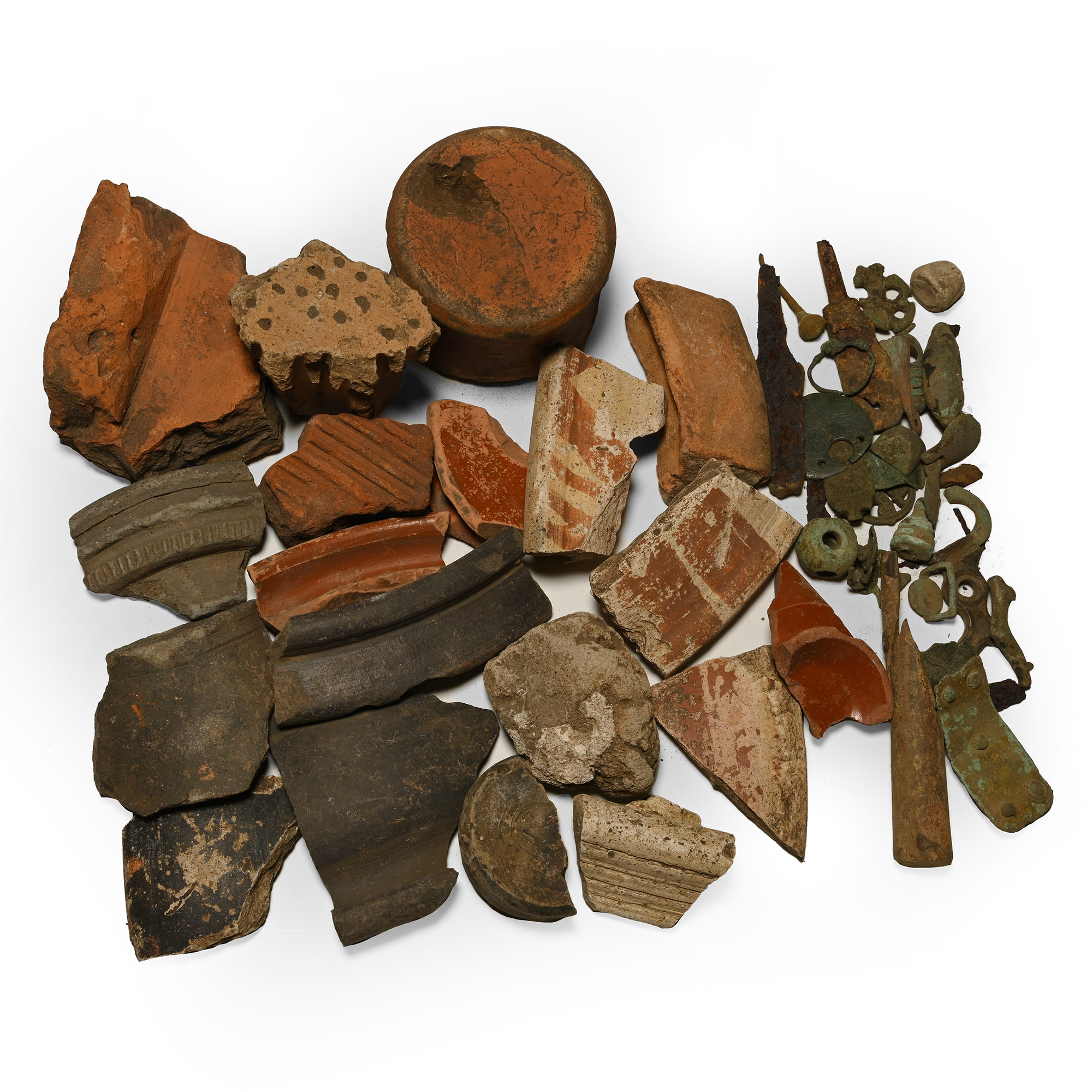
Roman Artefact Collection from Crococolana
2ND-4TH CENTURY A.D.
1/2 - 3 1/4 in. (1.1 kg total,11-84 mm).
Including fragments of domestic pottery, wall plaster, tableware and other items. [47, No Reserve]
ProvenanceFound from the Roman settlement of Crococolana, Brough, Lincolnshire, UK, 2003-2005.
Ian Wilkinson collection, Nottinghamshire, UK, formed since 1985.
This lot is accompanied by an illustrated lot declaration signed by the Head of the Antiquities Department, Dr Raffaele D’Amato.
TimeLine Auctions follows a vetting process to ensure the authenticity and legality of all items, reinforcing our commitment to integrity and responsible trading. Each antiquity, antique, and coin lot undergoes thorough examination by a vetting committee of at least ten external specialists, professional trade association members, scientists, and archaeologists: Our Vetting Process
AUCTIONS:
TimeLine is a leading auction house specialising in antiquities, ancient art, collectables, natural history, coins, medals, and books. Our auctions offer museums, collectors, historians, and enthusiasts the opportunity to acquire unique and historically significant pieces.
-
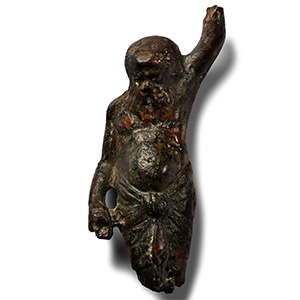
Roman Bronze Silenus Statuette
1st-3rd century A.D.Sold for (Inc. bp): £234
Modelled in the round figure of Silenus with left arm raised, loincloth knotted at the midriff, right hand holding the handle of a ewer; left hand and lower legs absent. 60.2 grams, 62 mm
Acquired on the London art market in the late 1980s-1990s. From the family collection of an East London, UK, gentleman. This lot is accompanied by an illustrated lot declaration signed by the Head of the Antiquities Department, Dr Raffaele D’Amato. -
.jpg)
Roman Silver Lunar Pendant
1st-2nd century A.D.Sold for (Inc. bp): £65
Comprising a discoid crescent-shaped pendant with openwork decoration. 1.1 grams, 19 mm
Ex German art market, 2000s. Acquired from an EU collector living in London. From the collection of Surrey, UK, gentleman. This lot is accompanied by an illustrated lot declaration signed by the Head of the Antiquities Department, Dr Raffaele D’Amato. -
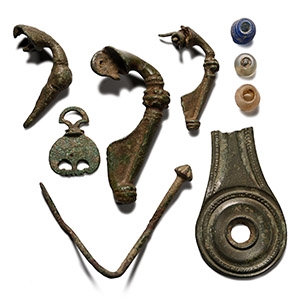
Romano-British Bronze Artefact Collection
1st-4th century A.D.Sold for (Inc. bp): £33
Including a patera handle, trumpet brooch, dress pin and other items. 100 grams total, 9-65 mm
The brooches found near Wetwang, North Yorkshire, UK, 1990s-2005, and acquired UK, in 2008. The rest found Nottinghamshire, UK, and acquired from Ancient & Oriental, UK, in the 1980s. Ian Wilkinson collection, Nottinghamshire, UK, formed since 1985. This lot is accompanied by an illustrated lot declaration signed by the Head of the Antiquities Department, Dr Raffaele D’Amato.
