
Loading, please wait...
LOT 0961
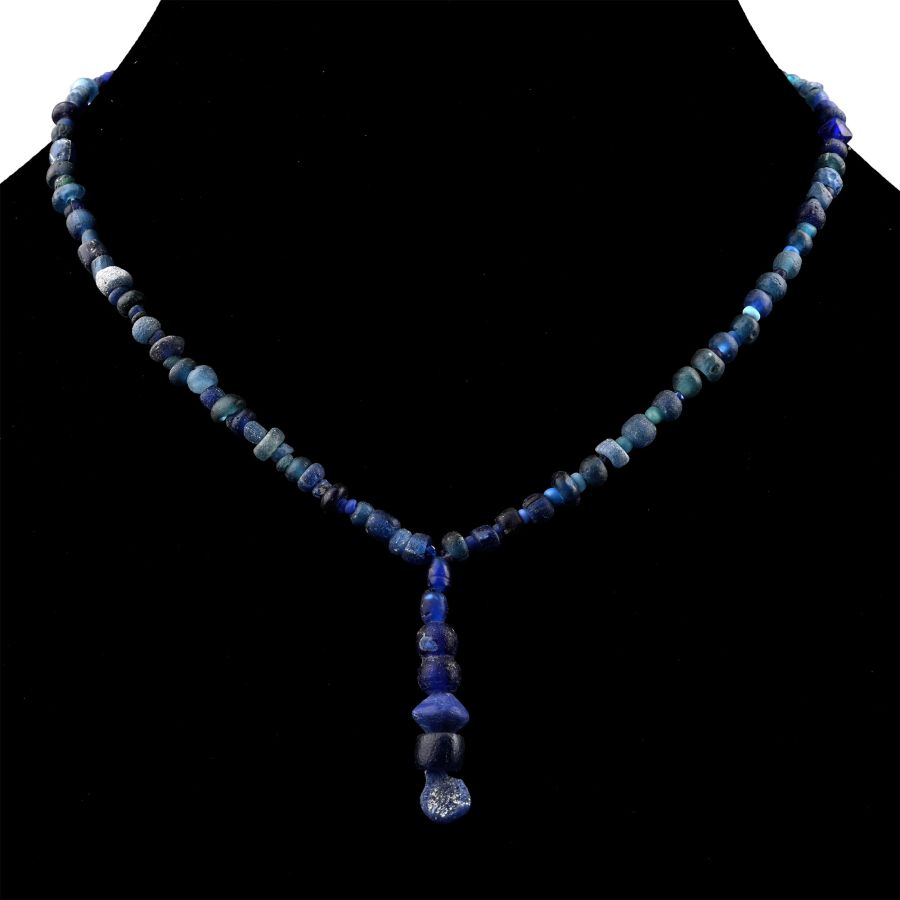
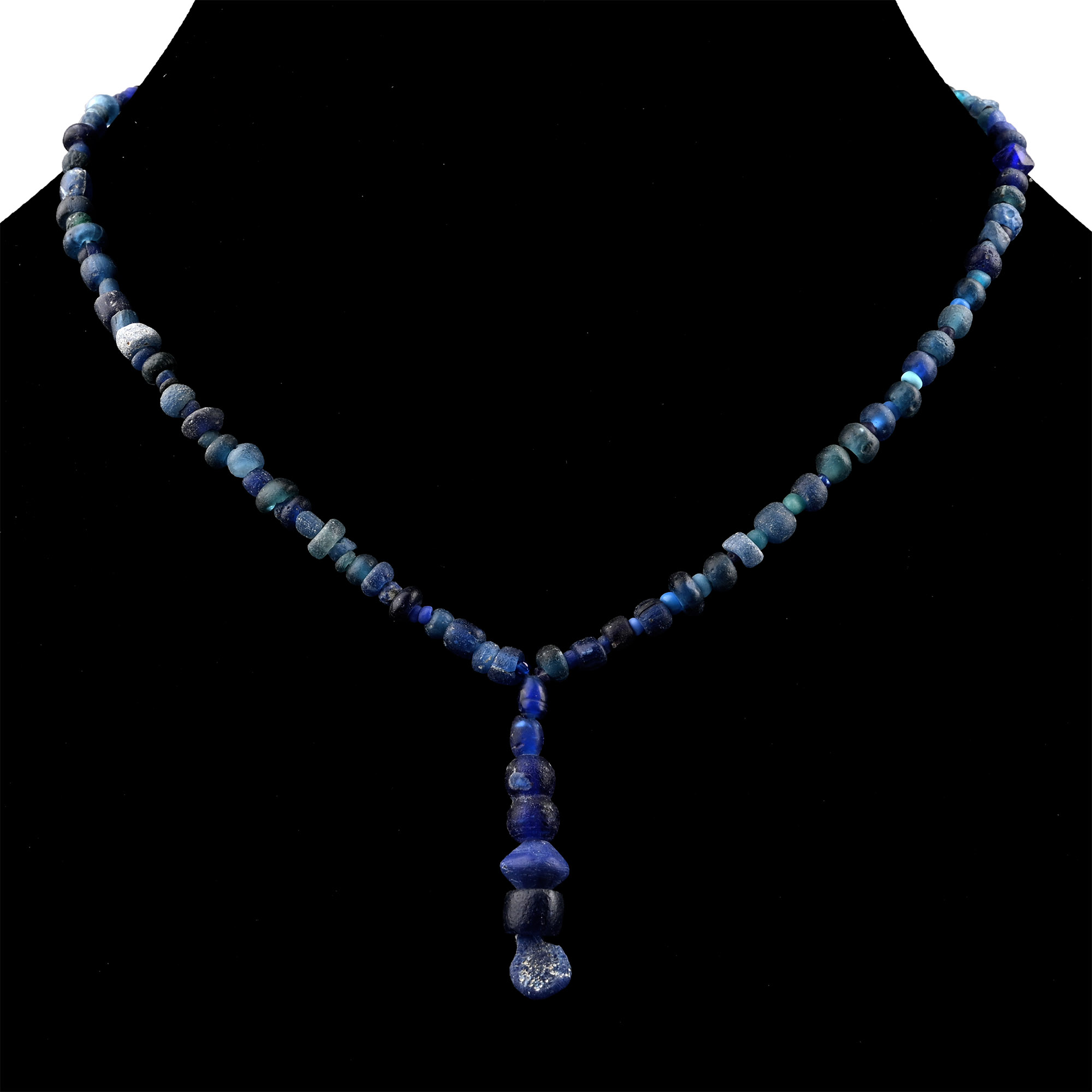
Roman and Other Blue Glass Bead Necklace String
1ST-4TH CENTURY A.D. AND LATER
13 3/8 in. (10.72 grams, 34.1 cm).
Composed of oblate and other beads, restrung to a Y-shape. [No Reserve]
ProvenanceFrom London, UK, gallery collection, 1990s.
CONDITIONTimeLine Auctions follows a vetting process to ensure the authenticity and legality of all items, reinforcing our commitment to integrity and responsible trading. Each antiquity, antique, and coin lot undergoes thorough examination by a vetting committee of at least ten external specialists, professional trade association members, scientists, and archaeologists: Our Vetting Process
AUCTIONS:
TimeLine is a leading auction house specialising in antiquities, ancient art, collectables, natural history, coins, medals, and books. Our auctions offer museums, collectors, historians, and enthusiasts the opportunity to acquire unique and historically significant pieces.
-
.jpg)
Roman Iron Ring with Gryllos Gemstone
2nd-3rd century A.D.Sold for (Inc. bp): £364
Substantial D-section hoop set with a red jasper intaglio with a gryllos motif; supplied with a museum-quality impression. 9.06 grams, 27.29 mm overall, 20.24 x 16.48 mm internal diameter (approximate size British N 1/2, USA 6 3/4, Europe 14.35, Japan 13)
From an old English collection, Camden, London, UK.
Grylli motifs usually combine various human and animal heads, sometimes including animal legs. -
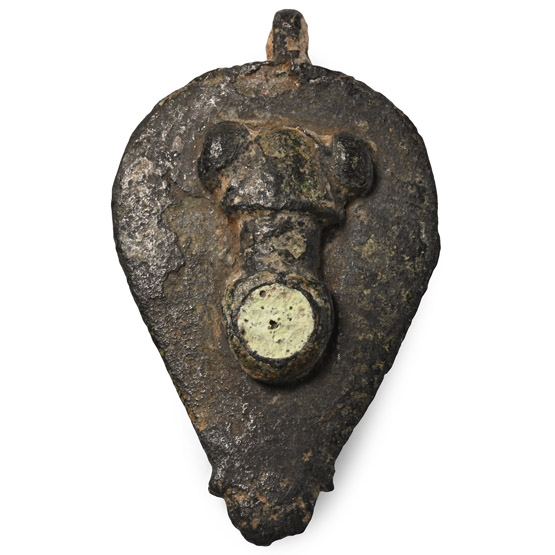
Roman Enamelled Bronze Phallic Seal Box Lid
Circa 2nd century A.D.Estimate: £100 - 140 (+bp*)
Opening Bid: £50
Teardrop-shaped in plan with a low-relief phallic motif, glans hollow to accept enamel. 6.16 grams, 38 mm
Ex London, UK, gentleman's collection, 1990s. -
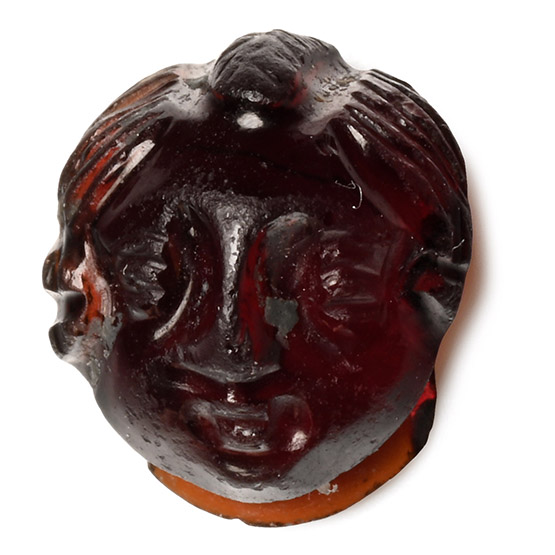
Roman Garnet Cameo of Eros, the Greek God of Love
1st century B.C.-1st century A.D.Sold for (Inc. bp): £702
With the head of Eros (Cupid), the god of love, facing; supplied with a museum-quality impression. 0.76 grams, 9 mm
Private English collection, formed between the late 1970s and early 1990s. Private collection, London, UK.
