
Loading, please wait...
LOT 0787
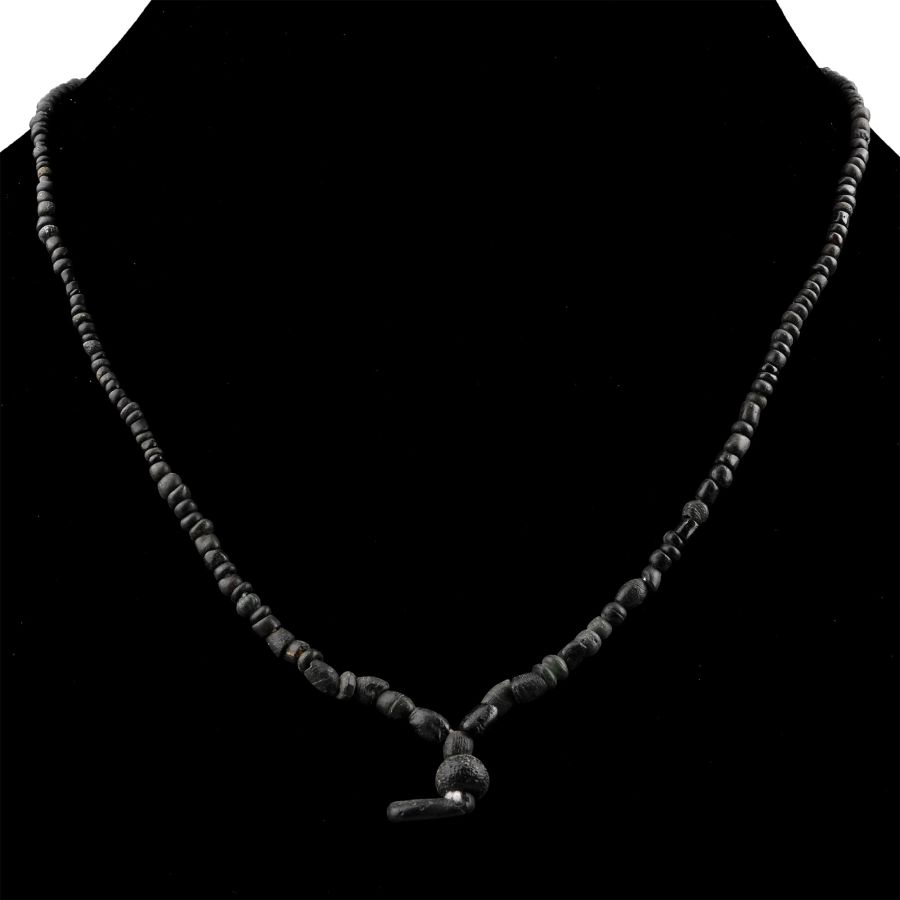
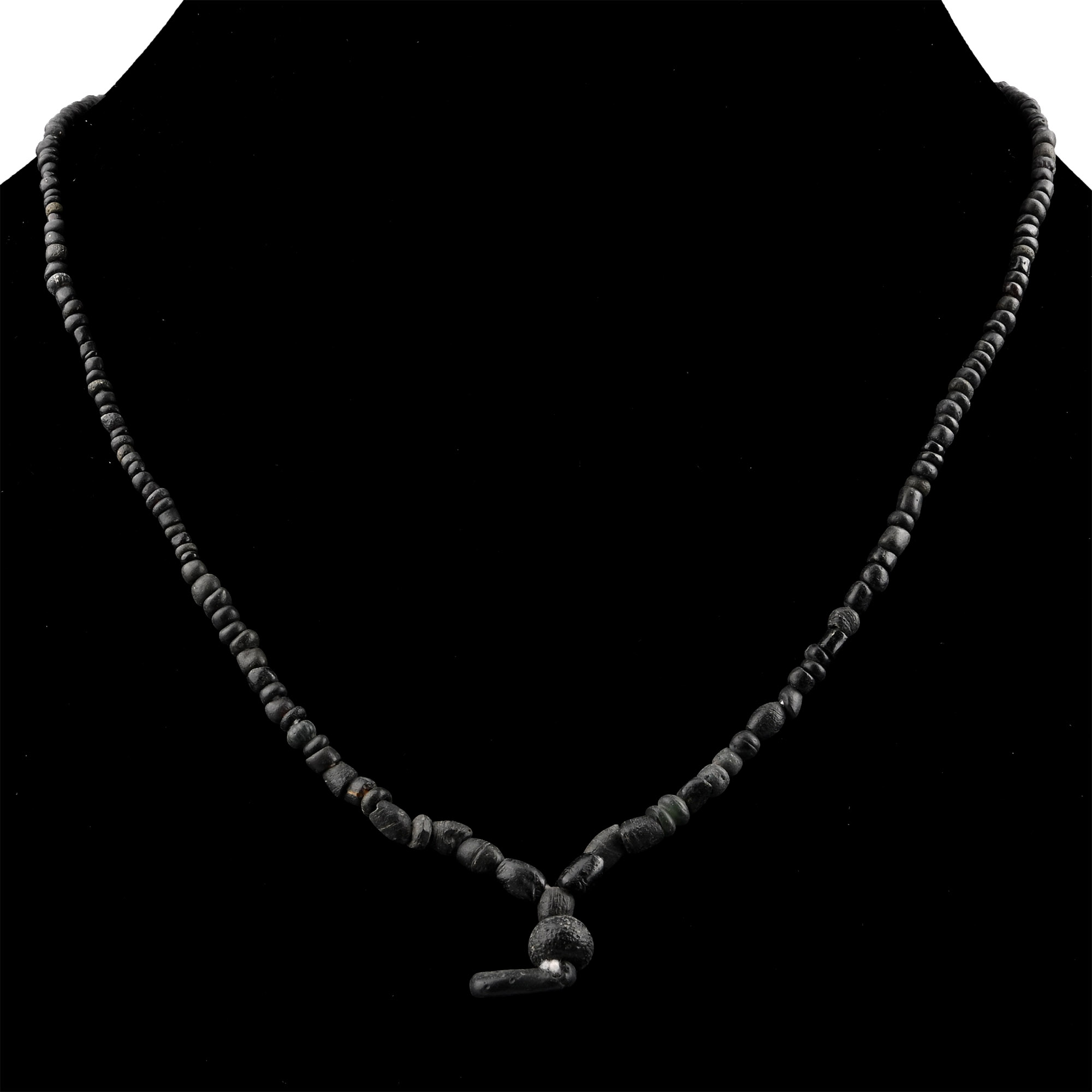
Roman and Other Black Glass Bead Necklace String
1ST-4TH CENTURY A.D. AND LATER
17 3/8 in. (7.98 grams, 44 cm).
Composed of small oblate and other beads; restrung. [No Reserve]
ProvenanceFrom London, UK, gallery collection, 1990s.
CONDITIONTimeLine Auctions follows a vetting process to ensure the authenticity and legality of all items, reinforcing our commitment to integrity and responsible trading. Each antiquity, antique, and coin lot undergoes thorough examination by a vetting committee of at least ten external specialists, professional trade association members, scientists, and archaeologists: Our Vetting Process
AUCTIONS:
TimeLine is a leading auction house specialising in antiquities, ancient art, collectables, natural history, coins, medals, and books. Our auctions offer museums, collectors, historians, and enthusiasts the opportunity to acquire unique and historically significant pieces.
-
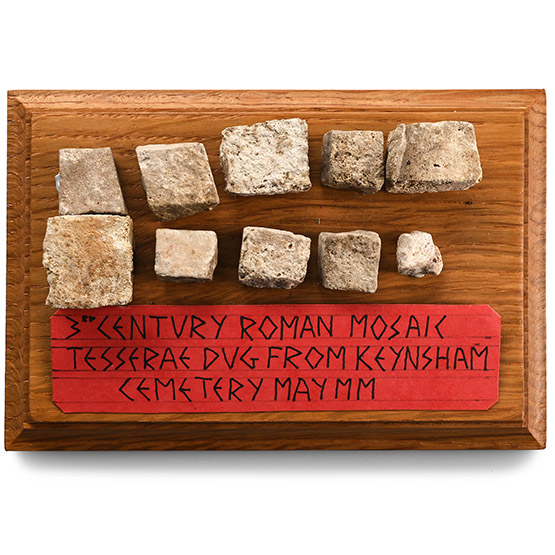
Roman Mosaic Tile Group
Circa 3rd century A.D.Sold for (Inc. bp): £13
A mixed group of cuboid and other tesserae mounted on a wooden display stand with handwritten legend. 227 grams total, 15.1 x 10 cm
From Keynsham cemetery. Acquired on the UK art market. From the private collection of an East Anglian, UK, Specialist Collector. -
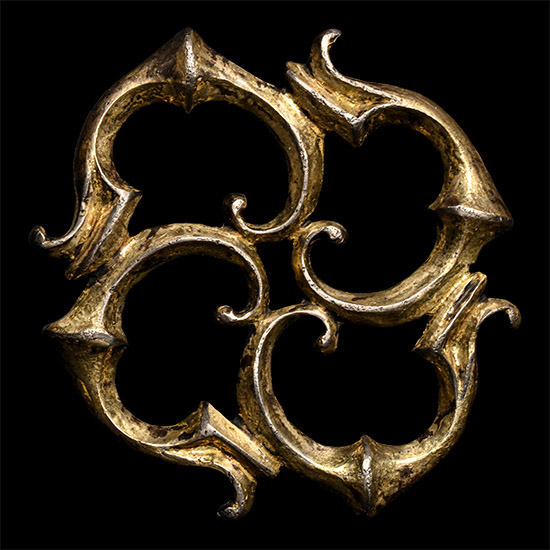
Roman Silver-Gilt Trumpet Brooch
1st century A.D.Sold for (Inc. bp): £390
Openwork formed as four trumpet-scroll motifs; pin-lugs and a catch to reverse. 10.17 grams, 38 mm
Private collection, 1970-1980. Private collection, England. -
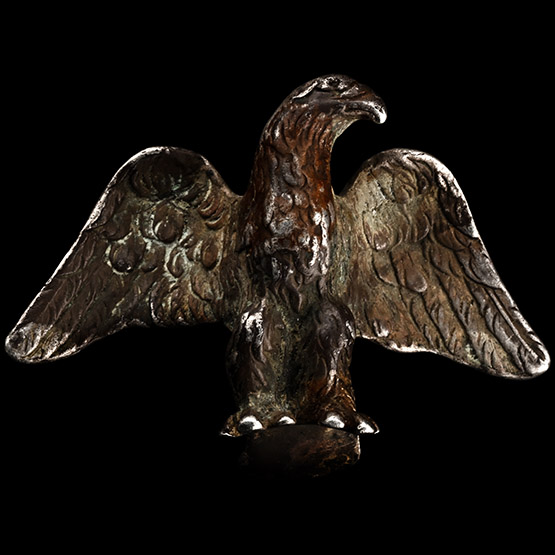
Roman Silver Military Eagle
1st-3rd century A.D.Estimate: £1,500 - 2,000 (+bp*)
Opening Bid: £750
Stylised standing eagle with elongated neck, spread wings and elongated curving tail. 1.12 grams, 36 mm
UK private collection before 2000. Acquired on the UK art market. Private collection, London, UK.
