
Loading, please wait...
LOT 0611
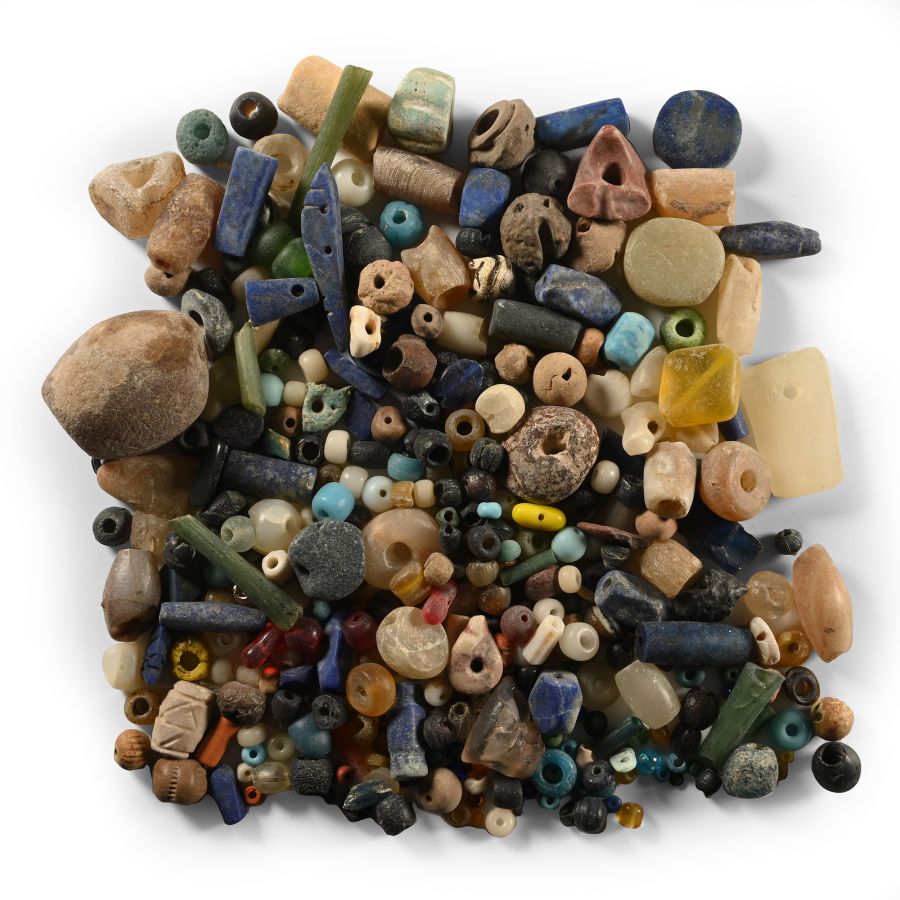
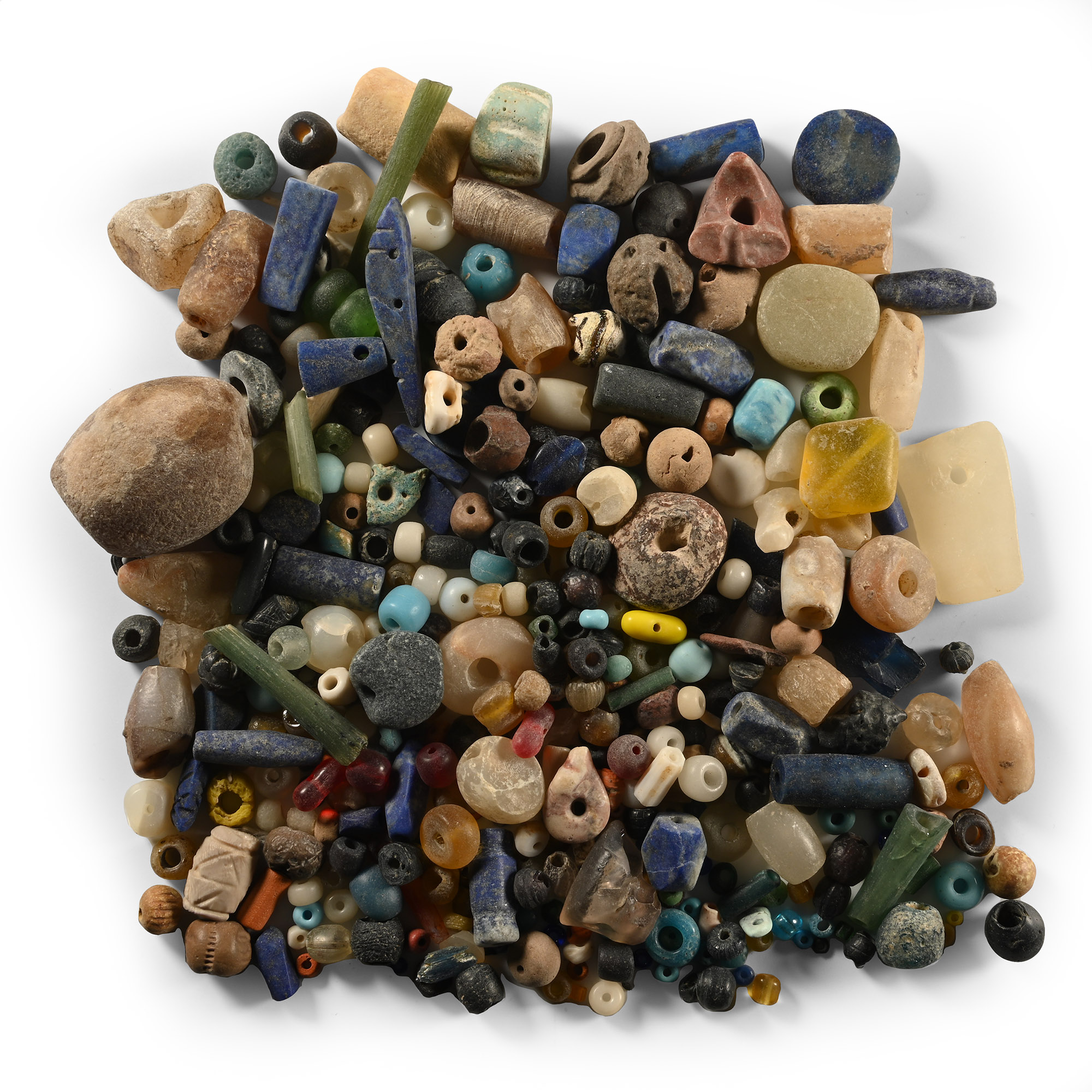
Roman and Other Ancient Bead Group
1ST MILLENNIUM B.C. AND LATER
1/8 - 1 in. (181 grams total, 3-27 mm).
A large quantity of mixed beads in stone, glass, lapis lazuli, and ceramic, including a large barrel-shaped bead. [No Reserve]
ProvenanceEx London, UK, collection, 1990s.
This lot is accompanied by an illustrated lot declaration signed by the Head of the Antiquities Department, Dr Raffaele D’Amato.
TimeLine Auctions follows a vetting process to ensure the authenticity and legality of all items, reinforcing our commitment to integrity and responsible trading. Each antiquity, antique, and coin lot undergoes thorough examination by a vetting committee of at least ten external specialists, professional trade association members, scientists, and archaeologists: Our Vetting Process
AUCTIONS:
TimeLine is a leading auction house specialising in antiquities, ancient art, collectables, natural history, coins, medals, and books. Our auctions offer museums, collectors, historians, and enthusiasts the opportunity to acquire unique and historically significant pieces.
-
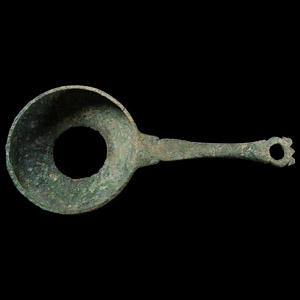
Graeco-Roman Bronze Patera with Duck-Headed Handle
3rd century B.C.-3rd century A.D.Estimate: £250 - 350 (‡+bp*)
Opening Bid: £125
The bowl with a convex outer face and notched lip, decoratively waisted handle with addorsed duck heads to the apex of the suspension loop; base of bowl absent. 314 grams, 30 cm
Acquired in Europe before 1995. This lot is accompanied by an illustrated lot declaration signed by the Head of the Antiquities Department, Dr Raffaele D’Amato. -
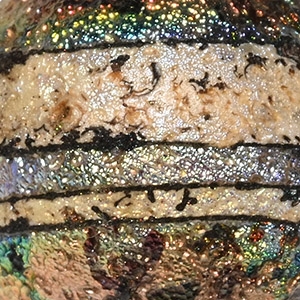
Roman Iridescent Glass Bead
2nd-3rd century A.D.Sold for (Inc. bp): £182
Sphere with circumferential banding, iridescent surface. 3.38 grams, 14 mm
From an old English collection. Acquired from Helios Gallery in 2011. Ian Wilkinson collection, Nottinghamshire, UK, formed since 1985. This lot is accompanied by an illustrated lot declaration signed by the Head of the Antiquities Department, Dr Raffaele D’Amato. -
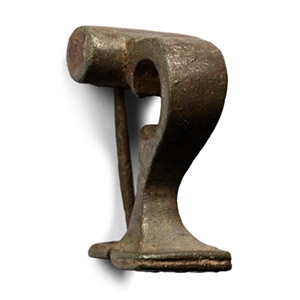
Romano-British Tinned Bronze Decorated Knee Brooch
2nd century A.D.Sold for (Inc. bp): £33
Comprising a chord housed with a horizontal sleeve with pin to the rear, deep scrolled bow with spurs to the reverse, scooped lower end and trapezoidal foot, hooked catch to reverse. 16.2 grams, 30 mm
Found near Wetwang, North Yorkshire, UK. Acquired UK circa 2007. Ian Wilkinson collection, Nottinghamshire, UK, formed since 1985. This lot is accompanied by an illustrated lot declaration signed by the Head of the Antiquities Department, Dr Raffaele D’Amato.
