
Loading, please wait...
LOT 0568
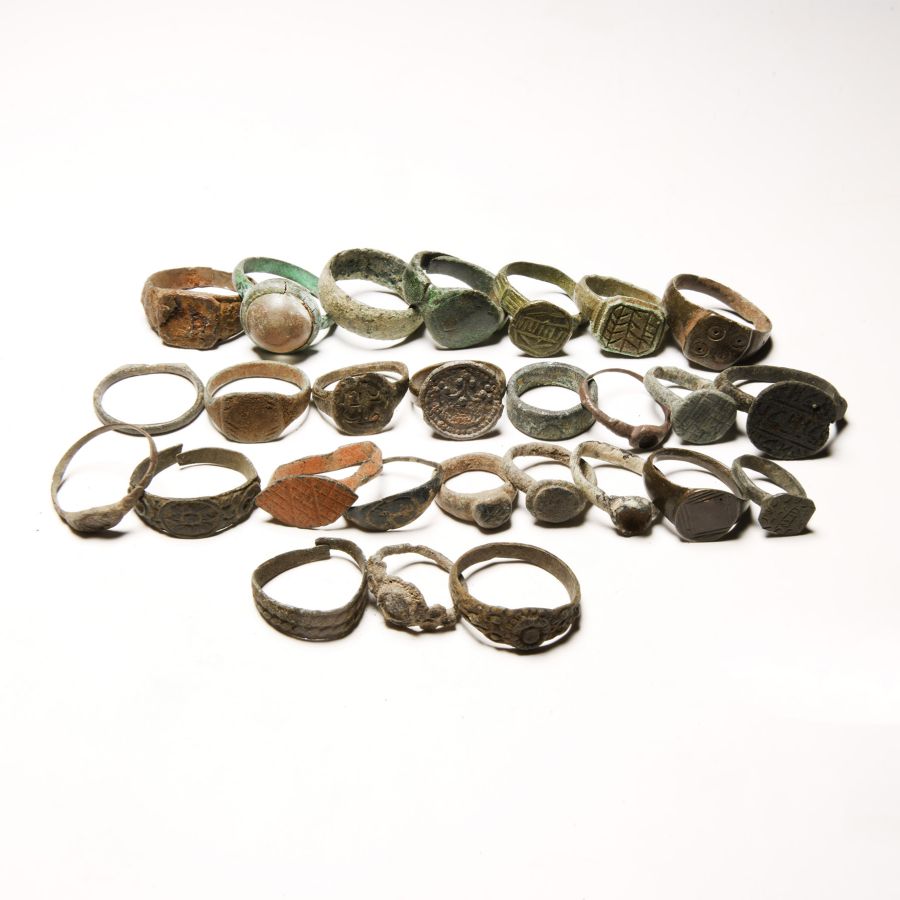
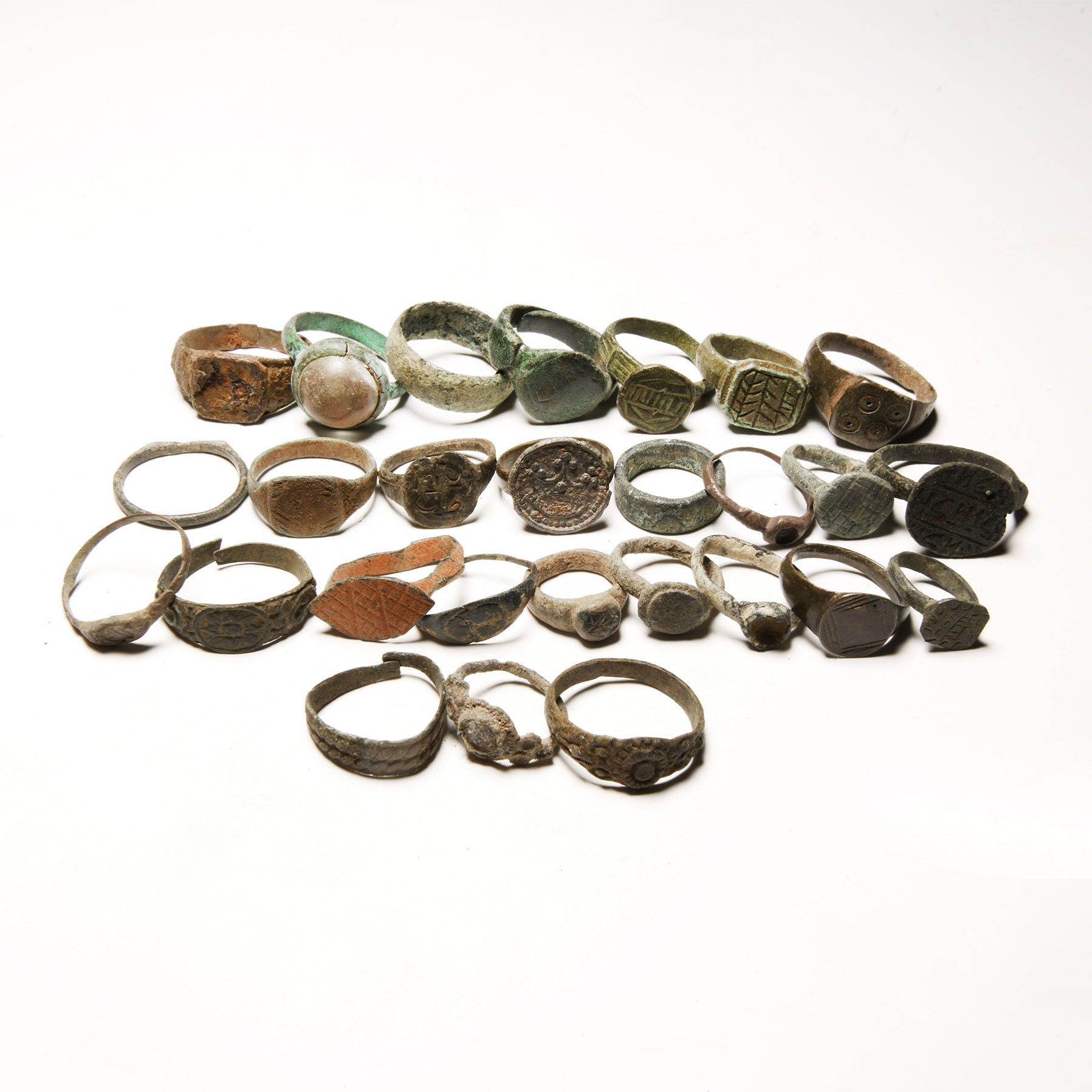
Roman and Later Bronze Ring Collection
1ST-19TH CENTURY A.D.
5/8 - 1 1/8 in. (94 grams total, 16-29 mm).
Of various sizes and types, the majority with decorative bezels engraved with text, animals, sunbursts, ropework, geometric motifs, a crown and other designs, including an example with glass inlay. [27, No Reserve]
ProvenanceAcquired on the UK art market.
Property of a Ruislip, UK, gentleman, by inheritance.
TimeLine Auctions follows a vetting process to ensure the authenticity and legality of all items, reinforcing our commitment to integrity and responsible trading. Each antiquity, antique, and coin lot undergoes thorough examination by a vetting committee of at least ten external specialists, professional trade association members, scientists, and archaeologists: Our Vetting Process
AUCTIONS:
TimeLine is a leading auction house specialising in antiquities, ancient art, collectables, natural history, coins, medals, and books. Our auctions offer museums, collectors, historians, and enthusiasts the opportunity to acquire unique and historically significant pieces.
-
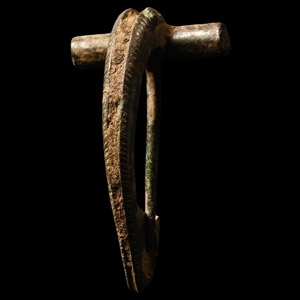
Romano-British Colchester-Derivative Bow Brooch
Circa 1st-2nd century A.D.Sold for (Inc. bp): £72
With hinge at the cross-bar and pin beneath, deep bow with vertical channel; notched detailing. 12.9 grams, 47 mm
Found East Lindsey, Lincolnshire, UK. Ex private Merseyside, UK, collection. Accompanied by a copy of the British Museum's Portable Antiquities Scheme report no.SWOR-A26E93. -
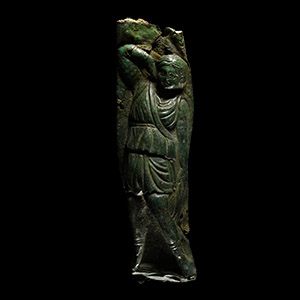
Roman Bronze Military Staff Finial with Standing Figure
1st century A.D.Sold for (Inc. bp): £572
Sheet bronze with repoussé design of a youthful maiden standing with her right hand raised to her hair, let hand relaxed caressing a draped textile banner; wearing a palla gathered at the waist and bloused, with a strap to the right shoulder. 21.8 grans, 11.2 cm
Acquired 1980-2015. Ex Abelita family collection. -
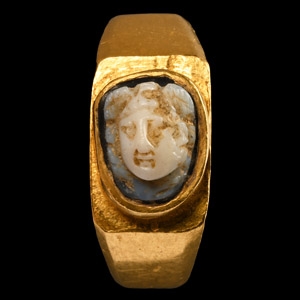
Roman Gold Ring with Medusa Cameo
2nd-3rd century A.D.Estimate: £2,000 - 3,000 (+bp*)
Opening Bid: £1,000
With facetted shoulders, D-shaped cell enclosing a carved Medusa bust modelled in the round. 5.83 grams, 22.07 mm overall, 17.23 mm internal diameter (approximate size British H 1/2, USA 4, Europe 6.81, Japan 6)
From the collection of a Cambridge lady, 1990s. This lot has been checked against the Interpol Database of stolen works of art and is accompanied by search certificate number no.11863-207049.
