
Loading, please wait...
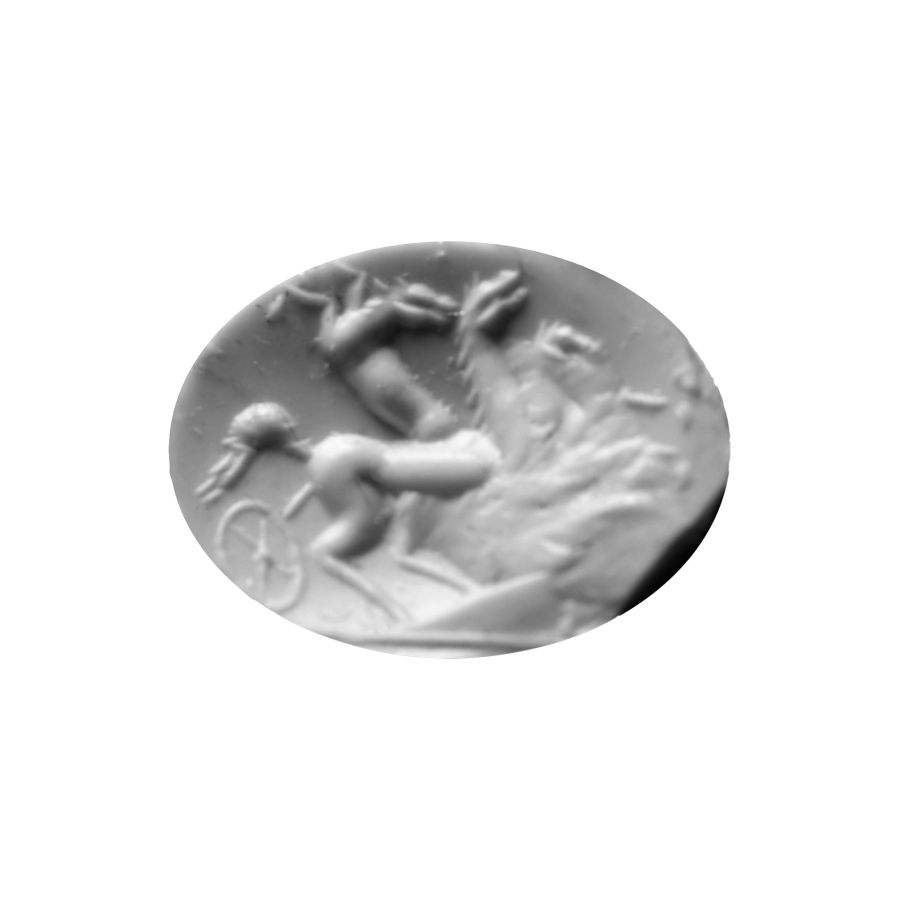
_900x900.jpg "Roman Amethyst Gemstone with Quadriga")
_200x200.jpg "Roman Amethyst Gemstone with Quadriga")
.jpg "Roman Amethyst Gemstone with Quadriga")
LOT 0019
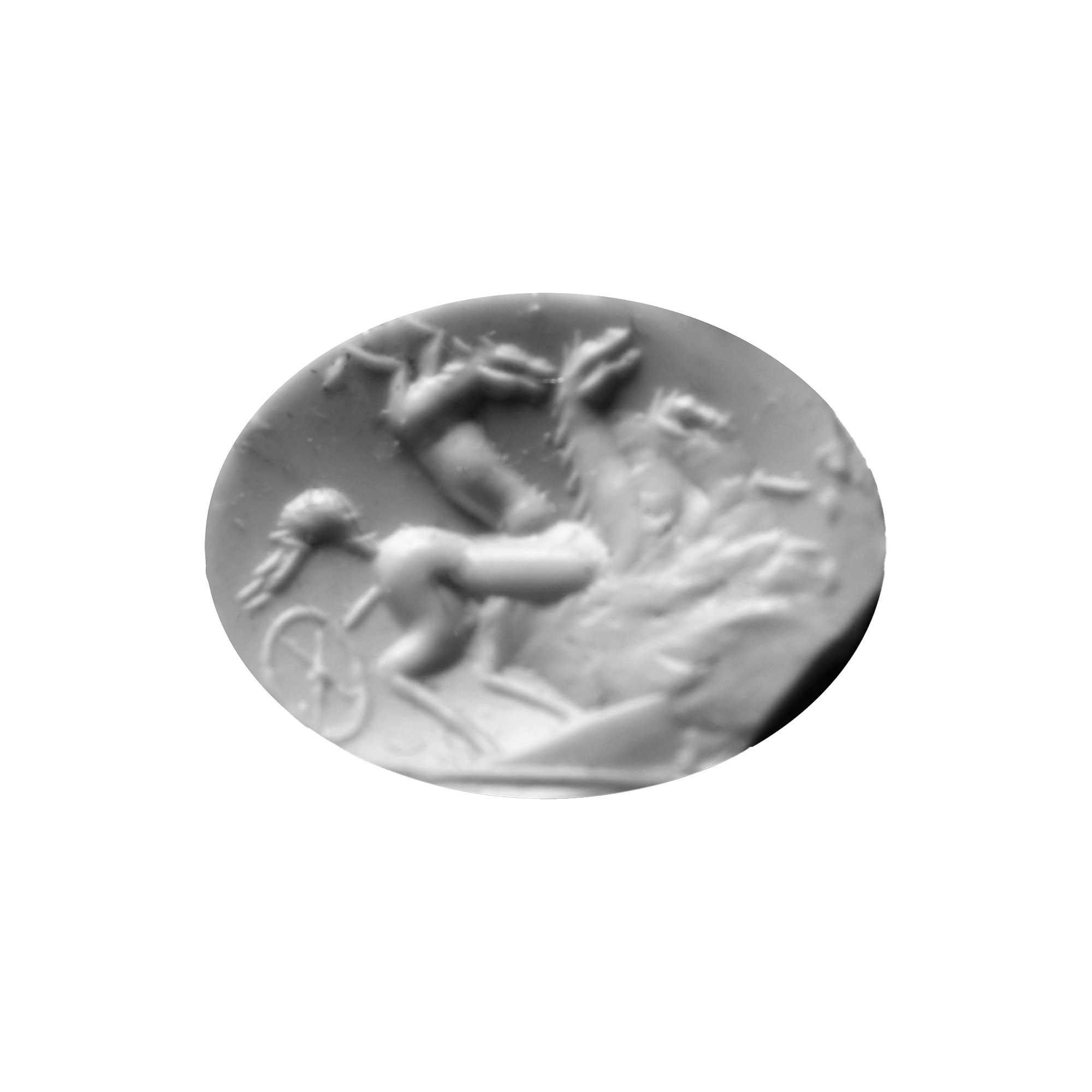
Roman Amethyst Gemstone with Quadriga
2ND-3RD CENTURY A.D.
5/8 in. (1.29 grams, 14.63 mm).
Intaglio quadriga with rearing horses; supplied with a museum-quality impression. [No Reserve]
ProvenanceFrom the private collection of a European gentleman (1942-2024), formed since the 1970s.
CONDITIONTimeLine Auctions follows a vetting process to ensure the authenticity and legality of all items, reinforcing our commitment to integrity and responsible trading. Each antiquity, antique, and coin lot undergoes thorough examination by a vetting committee of at least ten external specialists, professional trade association members, scientists, and archaeologists: Our Vetting Process
AUCTIONS:
TimeLine is a leading auction house specialising in antiquities, ancient art, collectables, natural history, coins, medals, and books. Our auctions offer museums, collectors, historians, and enthusiasts the opportunity to acquire unique and historically significant pieces.
-
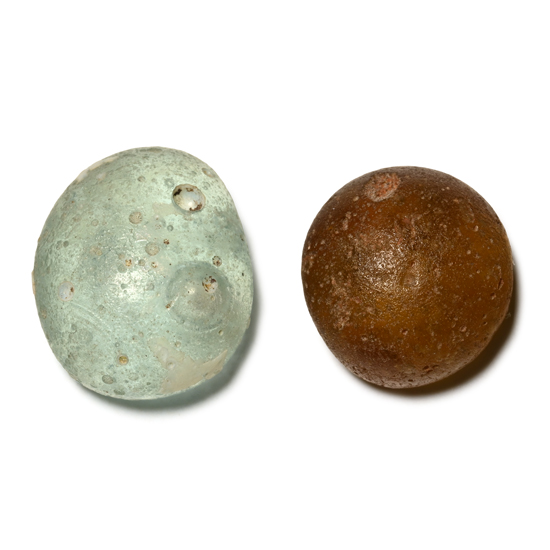
Roman Glass Gaming Counter Group
1st-4th century A.D.Sold for (Inc. bp): £33
Two domed gaming pieces, one sky blue and the other brown. 1.85 grams total, 11-12 mm
Acquired from Ancient Art Shop, Berkshire, UK. From the collection of a Nottingham, UK, collector, established from the early 2000s. Accompanied by the original Ancient Art Shop certificate of authenticity. -
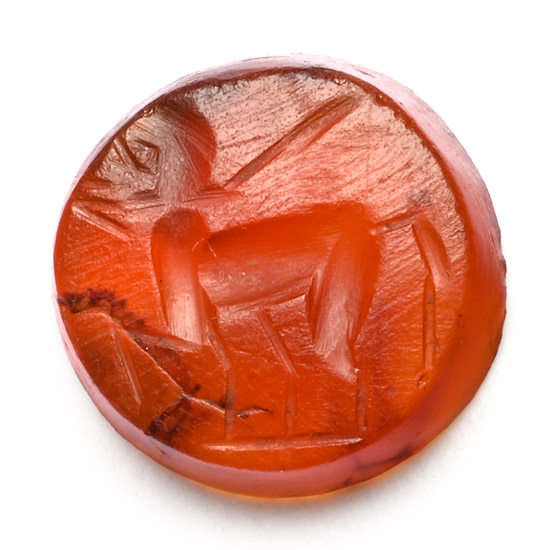
Roman Carnelian Gemstone with Centaur
2nd-3rd century A.D.Sold for (Inc. bp): £72
With intaglio centaur advancing with staff; supplied with a museum-quality impression. 0.60 grams, 10.03 mm
From the private collection of a European gentleman (1942-2024), formed since the 1970s. -
.jpg)
Roman Orange Agate Gemstone with Standing Figure
1st century B.C.Sold for (Inc. bp): £130
Cabochon with intaglio to the convex face, standing female figure with pillar to her rear, one hand raised holding a starburst; supplied with a museum-quality impression. 2.50 grams, 20.50 mm
From the private collection of a European gentleman (1942-2024), formed since the 1970s.
