
Loading, please wait...
LOT 0591
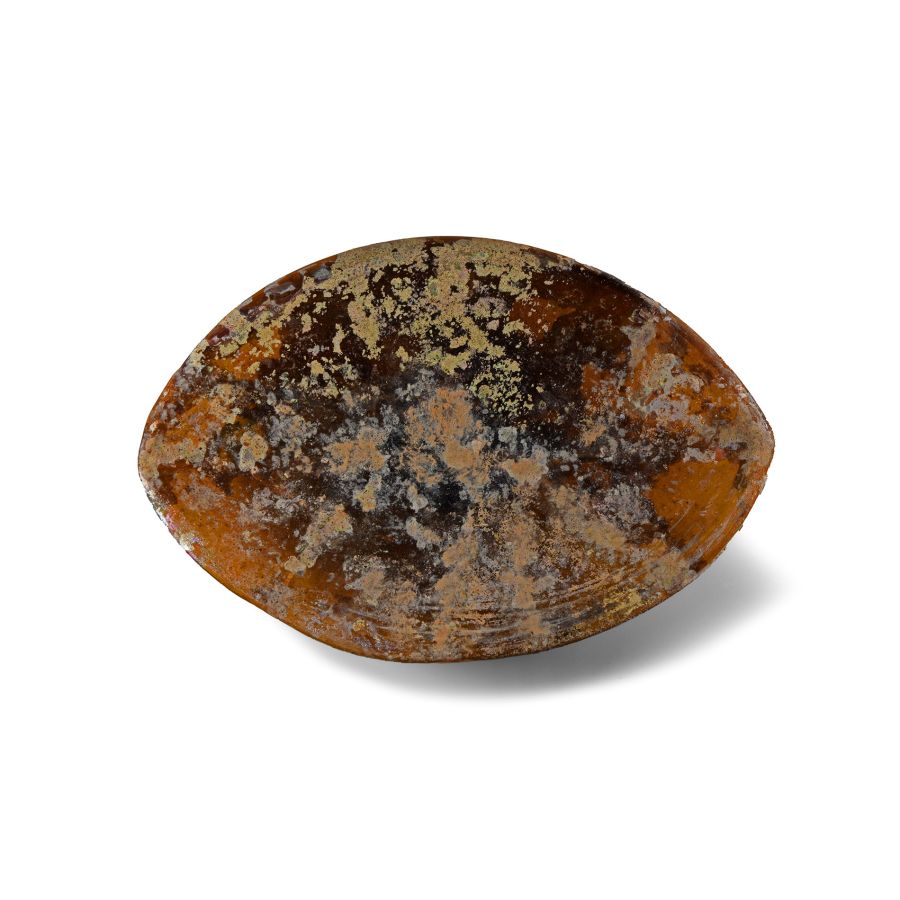
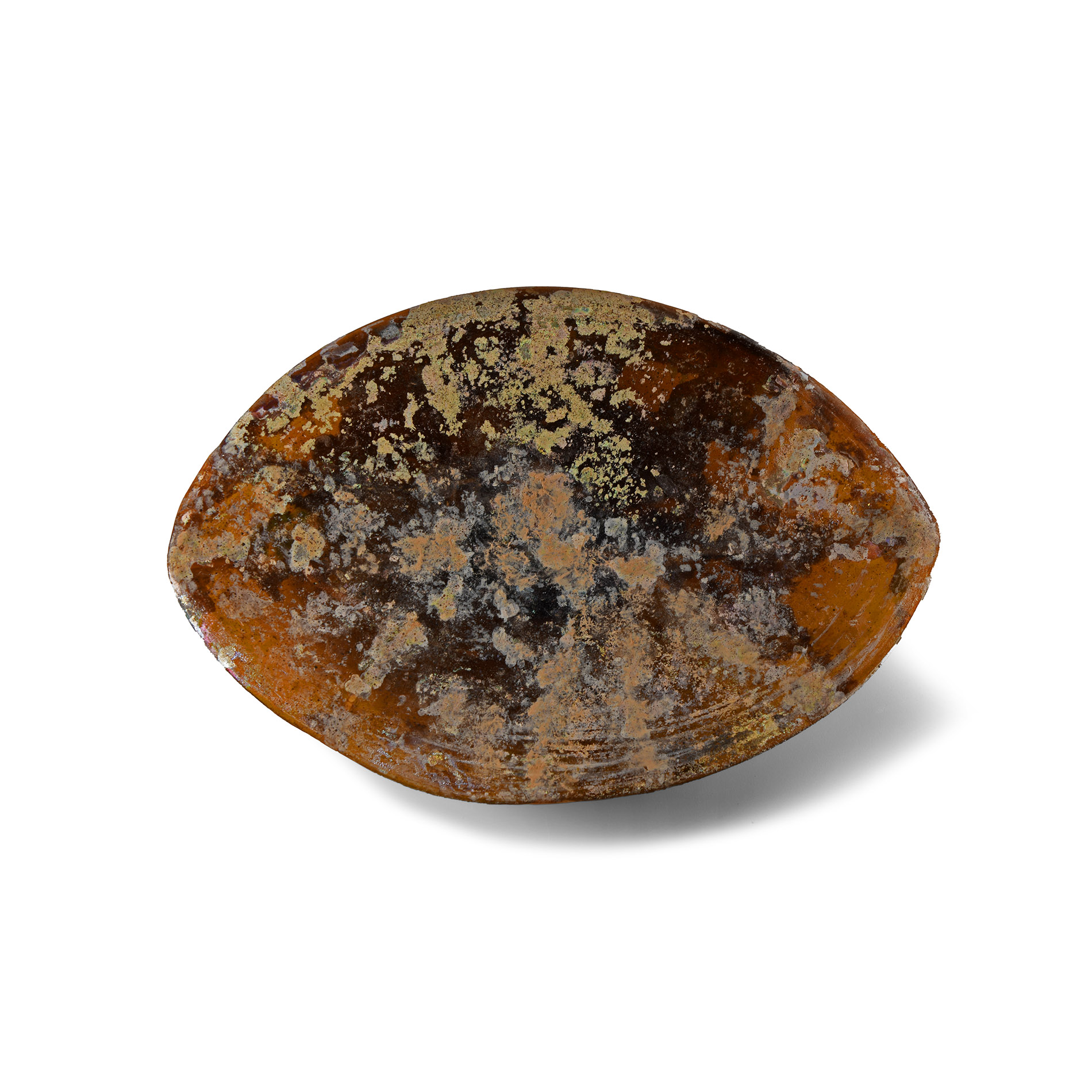
Roman Amber Glass Eye-Shaped Dish
1ST-4TH CENTURY A.D.
8 1/4 in. (194 grams, 21 cm wide).
Shallow elliptical dish with stepped elliptical foot to base; iridescent surfaces.
ProvenanceAcquired early 1990s.
Ex private American collection; thence by descent.
Private collection since 1998.
TimeLine Auctions follows a vetting process to ensure the authenticity and legality of all items, reinforcing our commitment to integrity and responsible trading. Each antiquity, antique, and coin lot undergoes thorough examination by a vetting committee of at least ten external specialists, professional trade association members, scientists, and archaeologists: Our Vetting Process
AUCTIONS:
TimeLine is a leading auction house specialising in antiquities, ancient art, collectables, natural history, coins, medals, and books. Our auctions offer museums, collectors, historians, and enthusiasts the opportunity to acquire unique and historically significant pieces.
-
.jpg)
Roman Vase Intaglio Gemstone
Circa 2nd century A.D.Sold for (Inc. bp): £195
Carnelian with intaglio vase with vegetation cascading to each side; supplied with a museum-quality impression. 0.64 grams, 10 mm
From the collection of a Swiss gentleman formed in Europe from 1970-1980s; thence by descent from the family in London. -
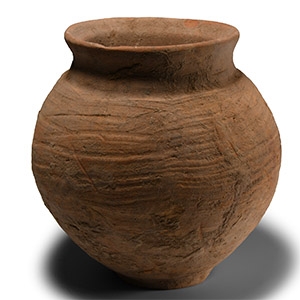
Roman Terracotta Jar
1st-4th century A.D.Sold for (Inc. bp): £72
With globular profile and broad everted rim, roughened circumferential banding to the shoulder. 896 grams, 17 cm wide
Acquired 1980-2015. Ex Abelita family collection. -
.jpg)
Roman Banded Agate Lion Attack Gemstone
Circa 2nd century A.D.Estimate: £200 - 300 (+bp*)
Opening Bid: £100
With intaglio scene of a lion attacking an ibex; supplied with a museum-quality impression. 1.55 grams, 14 mm
From the collection of a Swiss gentleman formed in Europe from 1970-1980s; thence by descent from the family in London.
