
Loading, please wait...


LOT 0173
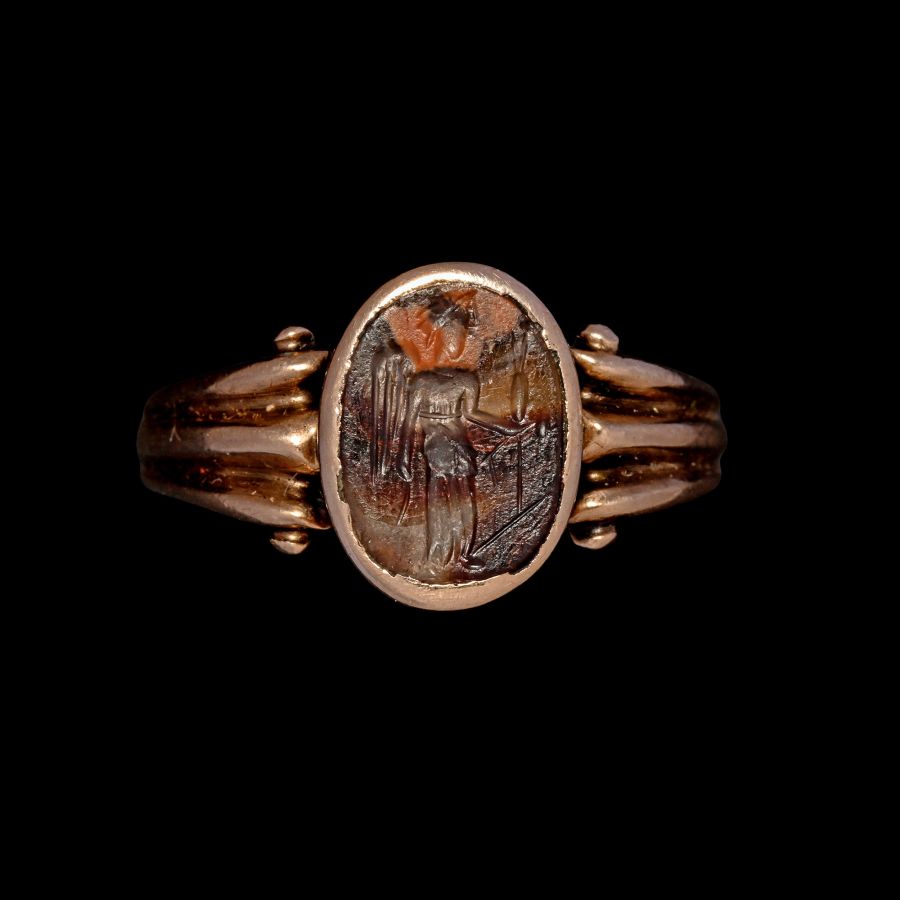
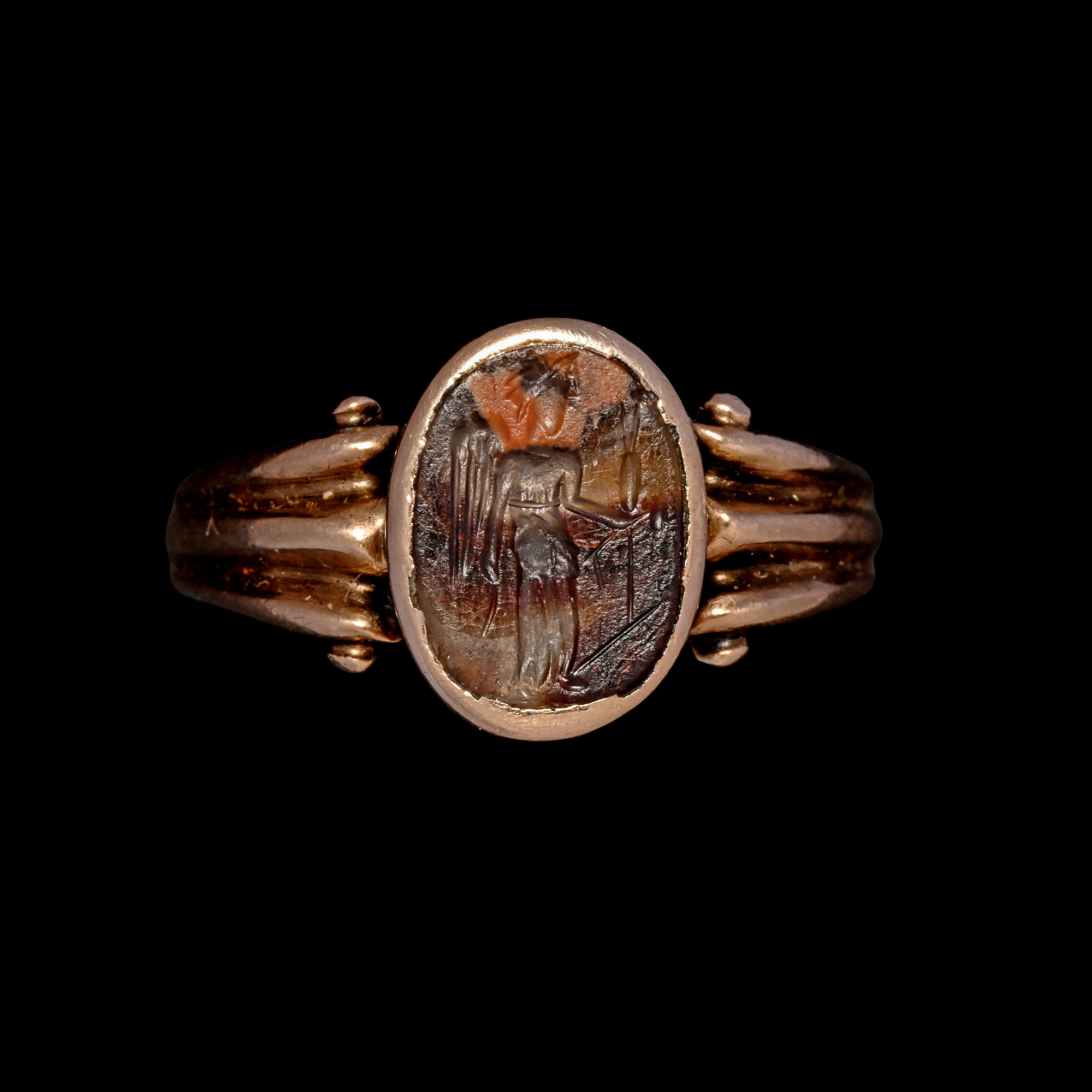
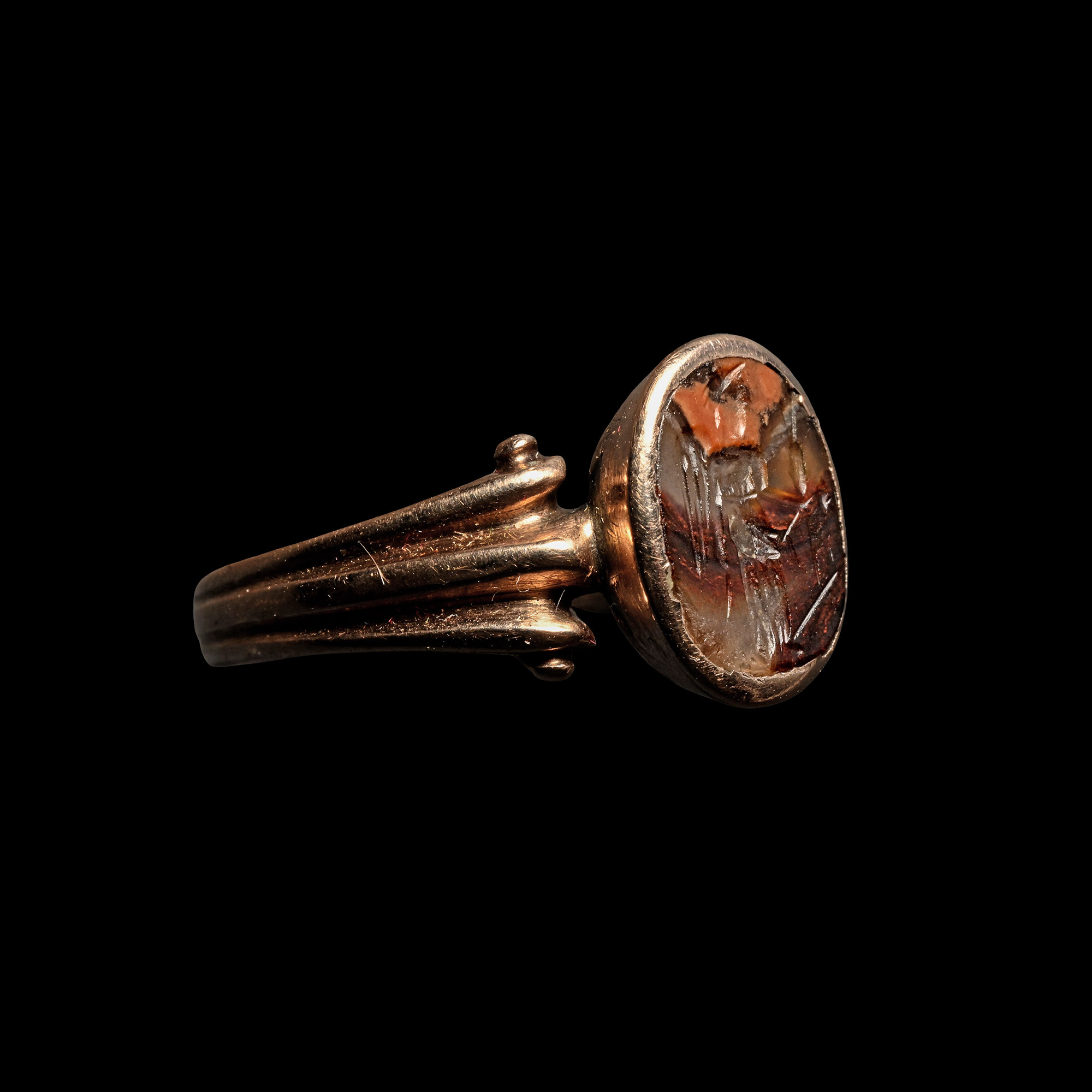
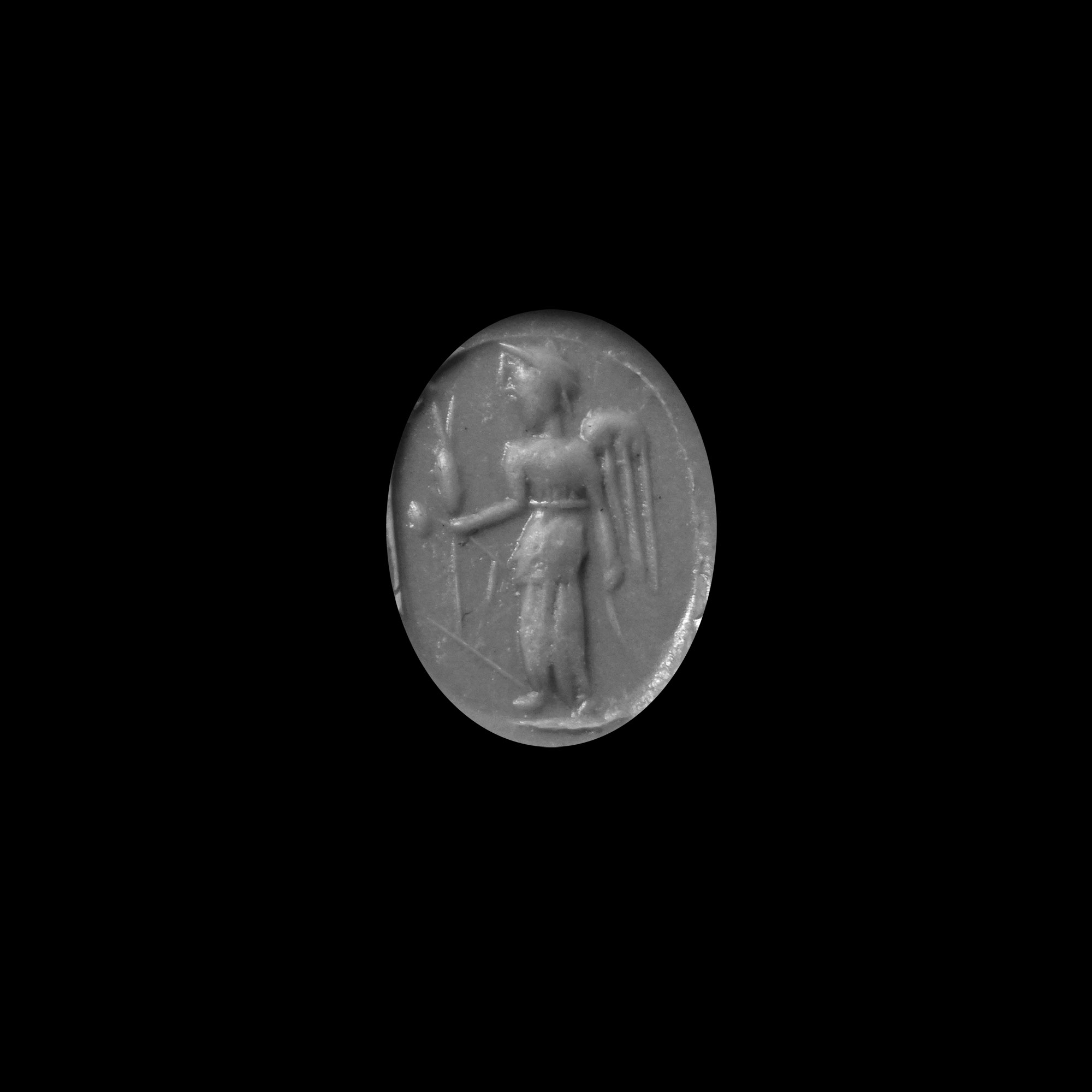
Roman Agate Gemstone of Syncretistic Fortuna in Gold Ring
2ND-3RD CENTURY A.D.
1 in. (3.22 grams, 23.31 mm overall, 19.46 x 19.15 mm internal diameter (approximate size British R, USA 8 1/2, Europe 18 3/4, Japan 18)).
Intaglio of syncretistic Fortuna, winged like Victory and helmeted like Minerva in a long robe holding a rudder with an ear of corn and poppy; set into an antique gold ring; supplied with a museum-quality impression.
ProvenancePrivate collection, Europe.
Acquired on the English art market.
TimeLine Auctions follows a vetting process to ensure the authenticity and legality of all items, reinforcing our commitment to integrity and responsible trading. Each antiquity, antique, and coin lot undergoes thorough examination by a vetting committee of at least ten external specialists, professional trade association members, scientists, and archaeologists: Our Vetting Process
AUCTIONS:
TimeLine is a leading auction house specialising in antiquities, ancient art, collectables, natural history, coins, medals, and books. Our auctions offer museums, collectors, historians, and enthusiasts the opportunity to acquire unique and historically significant pieces.
LOT 0173
Roman Agate Gemstone of Syncretistic Fortuna in Gold Ring
Sold for (Inc. bp): £819
-
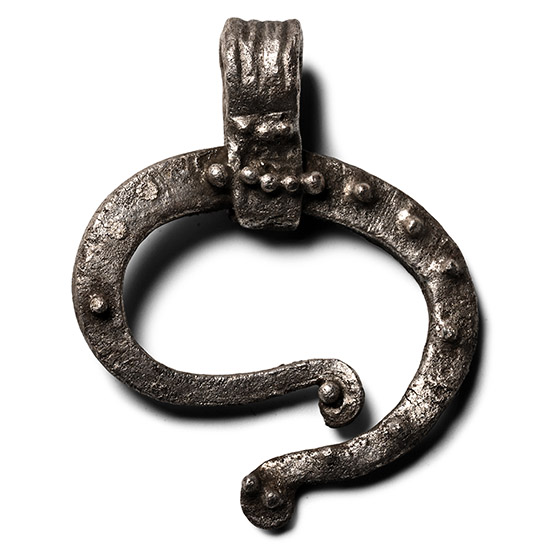
Roman Silver Lunar Pendant
1st-2nd century A.D.Sold for (Inc. bp): £124
Crescentic pendant with applied suspension loop and pellet decoration. 8.13 grams, 36 mm
Ex German art market, 2000s. Acquired from an EU collector living in London. From the collection of a Surrey, UK, gentleman. -
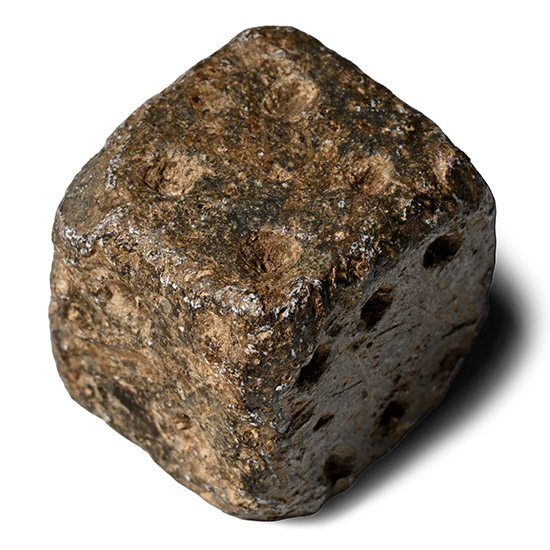
Large Roman Lead Gaming Die
Circa 1st-4th century A.D.Sold for (Inc. bp): £143
Cuboid dice with impressed markings unusually disposed 1:6, 2:3, 4:5. 57.2 grams, 19 mm
Ex gentleman collector of antique and antiquity games from Berkshire, UK, having collected for over 20 years. -
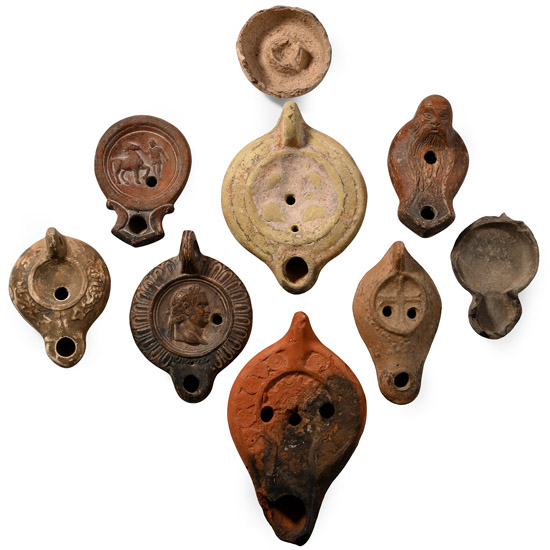
Roman and Later Terracotta Oil Lamp Collection
Circa 1st-19th century A.D.Sold for (Inc. bp): £468
Comprising nine lamps, including one with a wreathed profile bust, one with a man and a horse, one with the handle formed as a bearded head, one with a cross, and others. 823 grams total, 6.2-13.9 cm
From an important collection of lamps, Germany, 1970s.
