
Loading, please wait...
![Rhodonite Mineral Specimen Collection [9]](https://timelineauctions.com/zoom_images/zoomthumb/2/2/227951_900x900.jpg "Rhodonite Mineral Specimen Collection [9]")
![Rhodonite Mineral Specimen Collection [9]](https://timelineauctions.com/zoom_images/zoommap/2/2/227951_200x200.jpg "Rhodonite Mineral Specimen Collection [9]")
![Rhodonite Mineral Specimen Collection [9]](https://timelineauctions.com/upload/images/items/227951.jpg "Rhodonite Mineral Specimen Collection [9]")
LOT 2718
Rhodonite Mineral Specimen Collection [9]
2 - 2 3/4 in. (1.24 kg total, 51-71 mm).
Comprising nine large cut sections displaying pink rhodonite with black manganese. [9, No Reserve]
ProvenanceFrom Tanzania.
Ex Mineral Imports, London, UK.
Gregory, Bottley & Lloyd (Gregory's), Harwich, UK.
TimeLine Auctions follows a vetting process to ensure the authenticity and legality of all items, reinforcing our commitment to integrity and responsible trading. Each antiquity, antique, and coin lot undergoes thorough examination by a vetting committee of at least ten external specialists, professional trade association members, scientists, and archaeologists: Our Vetting Process
AUCTIONS:
TimeLine is a leading auction house specialising in antiquities, ancient art, collectables, natural history, coins, medals, and books. Our auctions offer museums, collectors, historians, and enthusiasts the opportunity to acquire unique and historically significant pieces.
LOT 2718
Rhodonite Mineral Specimen Collection [9]
Estimate £20 - 30€23 - 35 (for guidance only)$27 - 41 (for guidance only)
-
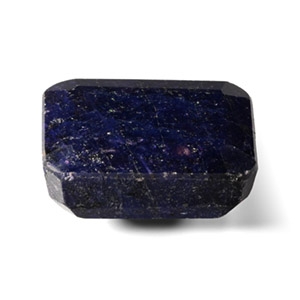
388 Carat Cut Sapphire
Sold for (Inc. bp): £117
A very large blue sapphire with numerous inclusions, mine cut. 77.8 grams, 42.7 mm
From a North West England collection. Property of a Californian, USA, collector. Accompanied by an evaluation certificate from the Gemological Laboratory of India (GLI). -
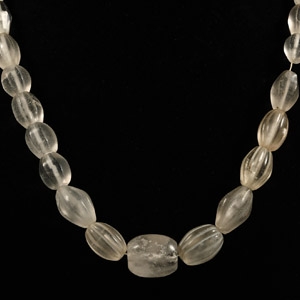
Rock Crystal Bead Necklace
Sold for (Inc. bp): £111
Composed of graduated cylindrical and biconical beads, some fluted and some facetted, large barrel-shaped bead to the centre; restrung. 146 grams, 64 cm
Ex West country, UK, collection, 2000s. -
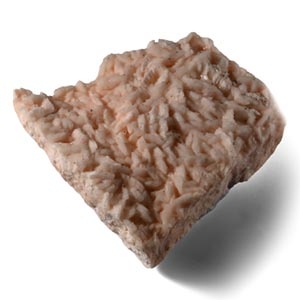
Large Pink Dolomite Crystal Display Slab
Sold for (Inc. bp): £7
An irregular slab of light pink crystals with dusting of marcasite. 1.05 kg, 13.6 cm
Ex Mineral Imports, London, UK. Gregory, Bottley & Lloyd (Gregory's), Harwich, UK.
