
Loading, please wait...
LOT 0307
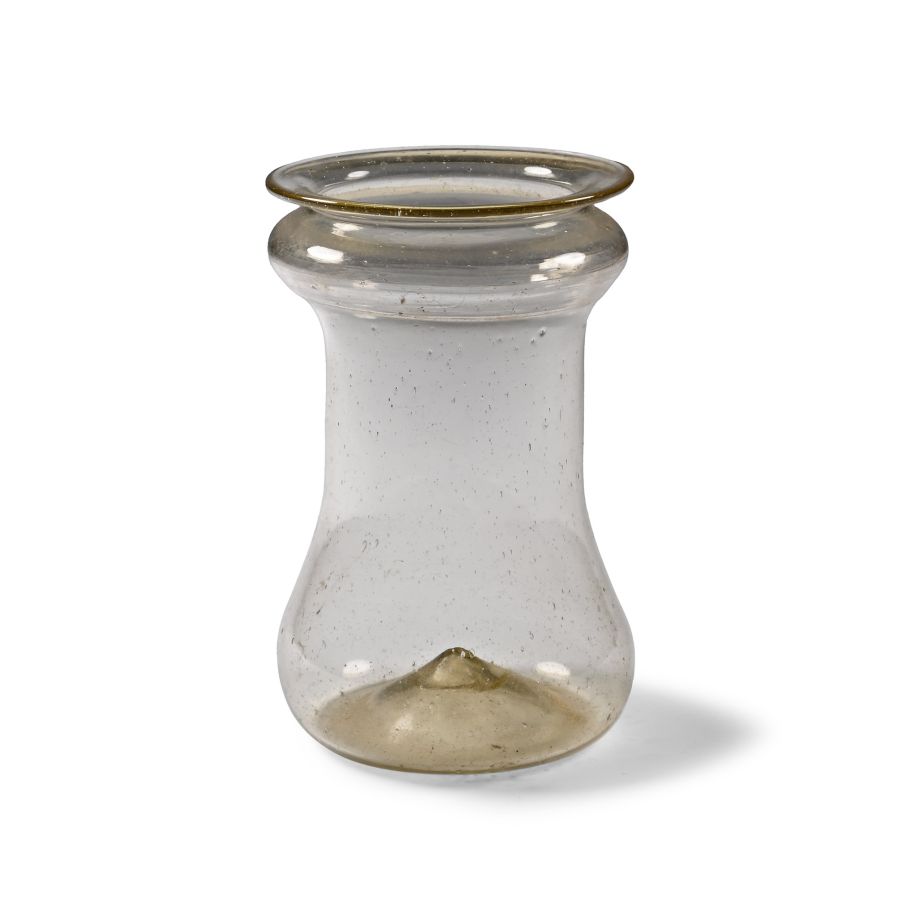
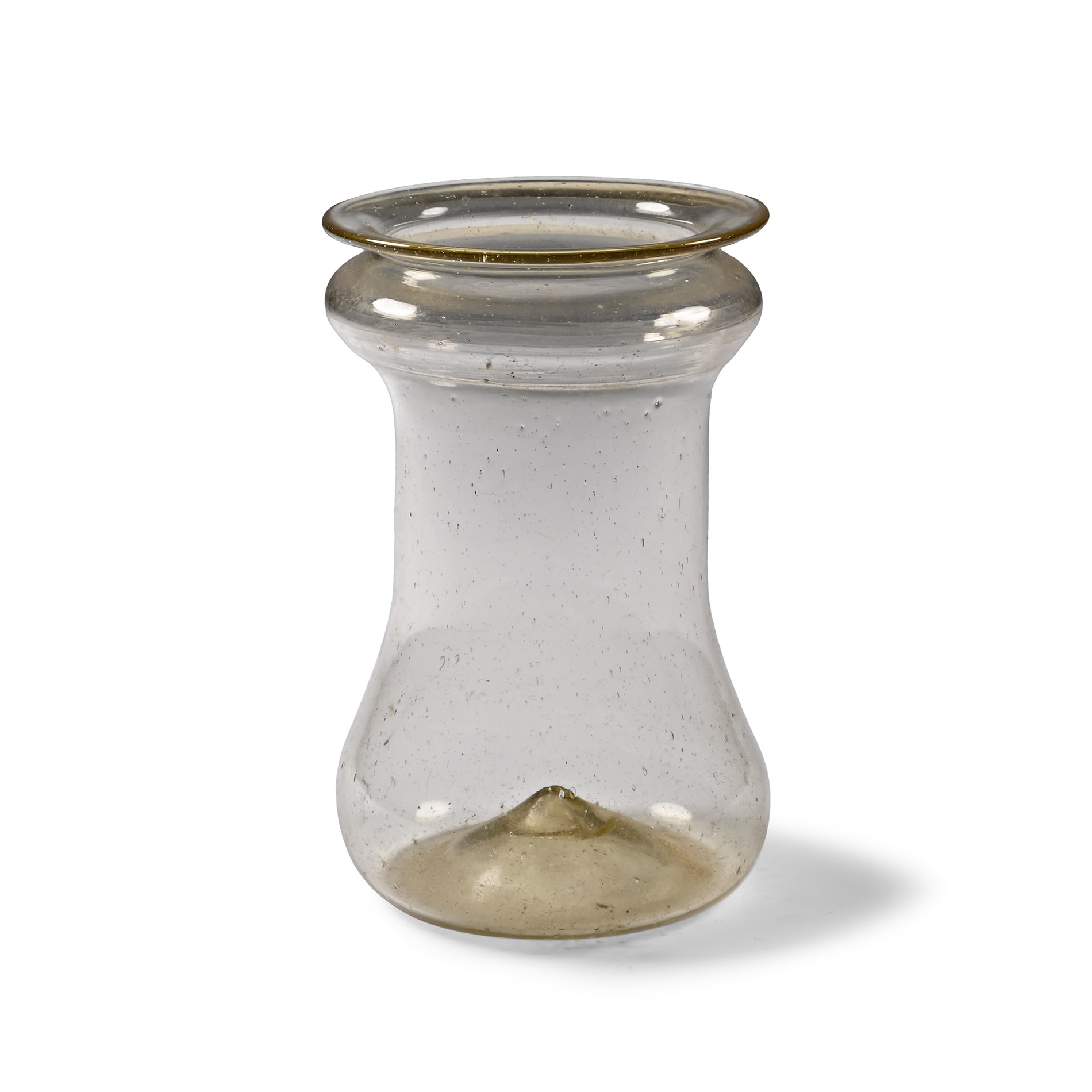
Rhenish Saxon Colourless Glass Beaker
6TH-7TH CENTURY A.D.
3 1/8 in. (29.8 grams, 80 mm).
With pontil base and tubular long neck, expanding at the top, flat rim.
ProvenanceEx Sussex, UK, collection, 1980-1990s.
This lot is accompanied by an illustrated lot declaration signed by the Head of the Antiquities Department, Dr Raffaele D’Amato.
TimeLine Auctions follows a vetting process to ensure the authenticity and legality of all items, reinforcing our commitment to integrity and responsible trading. Each antiquity, antique, and coin lot undergoes thorough examination by a vetting committee of at least ten external specialists, professional trade association members, scientists, and archaeologists: Our Vetting Process
AUCTIONS:
TimeLine is a leading auction house specialising in antiquities, ancient art, collectables, natural history, coins, medals, and books. Our auctions offer museums, collectors, historians, and enthusiasts the opportunity to acquire unique and historically significant pieces.
-
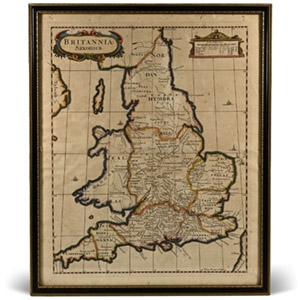
Map by Robert Morden of Saxon Britain
17th century A.D.Sold for (Inc. bp): £338
Hand-coloured in outline, framed and glazed with identification label to verso, published in 1695; with Old English place names printed in appropriate font and spelling. 1.06 kg, 44 x 36.5 cm
Ian Wilkinson collection, Nottinghamshire, UK, formed since 1985. This lot is accompanied by an illustrated lot declaration signed by the Head of the Antiquities Department, Dr Raffaele D’Amato. -
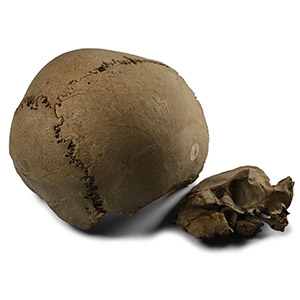
Anglo-Saxon Human Cranium and Fragments
6th-11th century A.D. or earlierSold for (Inc. bp): £195
Fragments of the vault of a human skull, repaired and partly restored. 284 grams total, 10-15.2 cm
Found in a Peterborough clay pit, Cambridgeshire, UK. From an old English collection. Acquired from Stone Treasures, Mansfield, Nottinghamshire, UK, circa 2013. Ian Wilkinson collection, Nottinghamshire, UK, formed since 1985. This lot is accompanied by an illustrated lot declaration signed by the Head of the Antiquities Department, Dr Raffaele D’Amato.
NB: This lot is strictly for collection only. -
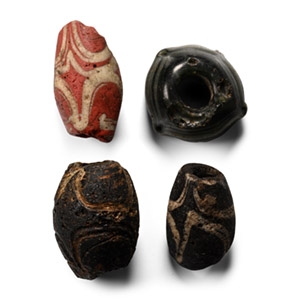
Anglo-Saxon Glass Bead Collection
Circa 5th-7th century A.D.Sold for (Inc. bp): £65
Mainly fusiform types with marvered trails. 31 grams total, 23-25 mm
Found Suffolk, UK. Acquired from Den of Antiquity, circa 2009. Ian Wilkinson collection, Nottinghamshire, UK, formed since 1985. Accompanied by an old handwritten dealer's ticket. This lot is accompanied by an illustrated lot declaration signed by the Head of the Antiquities Department, Dr Raffaele D’Amato.
