
Loading, please wait...
LOT 2294
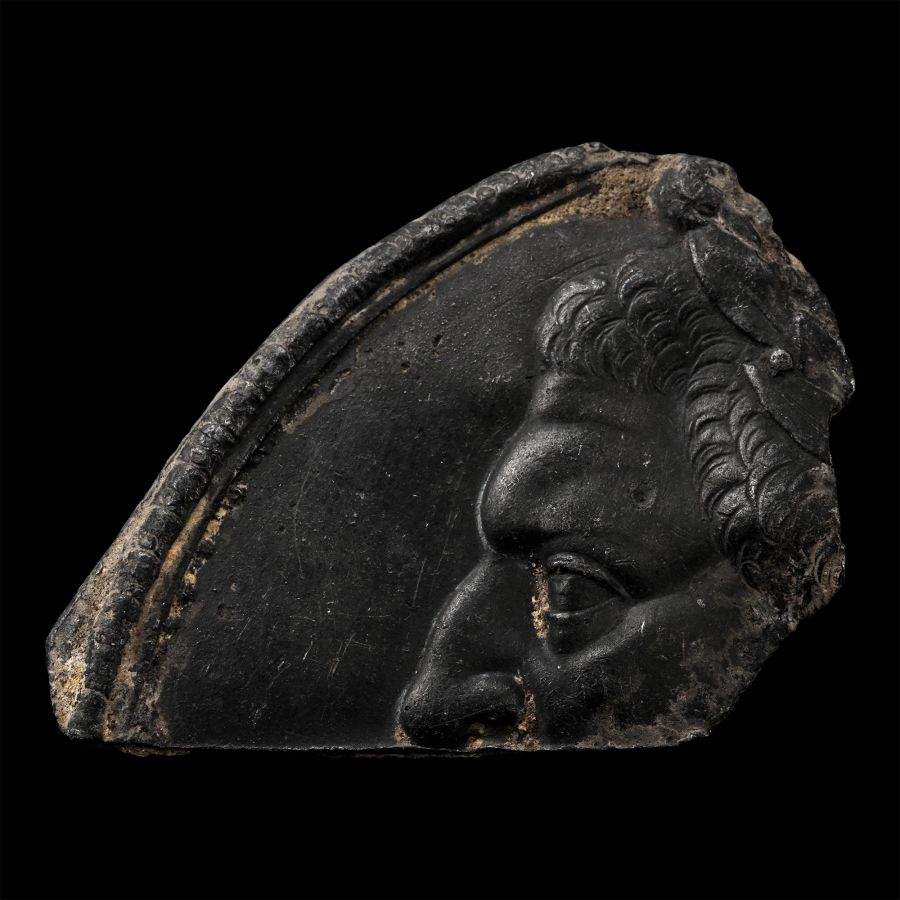
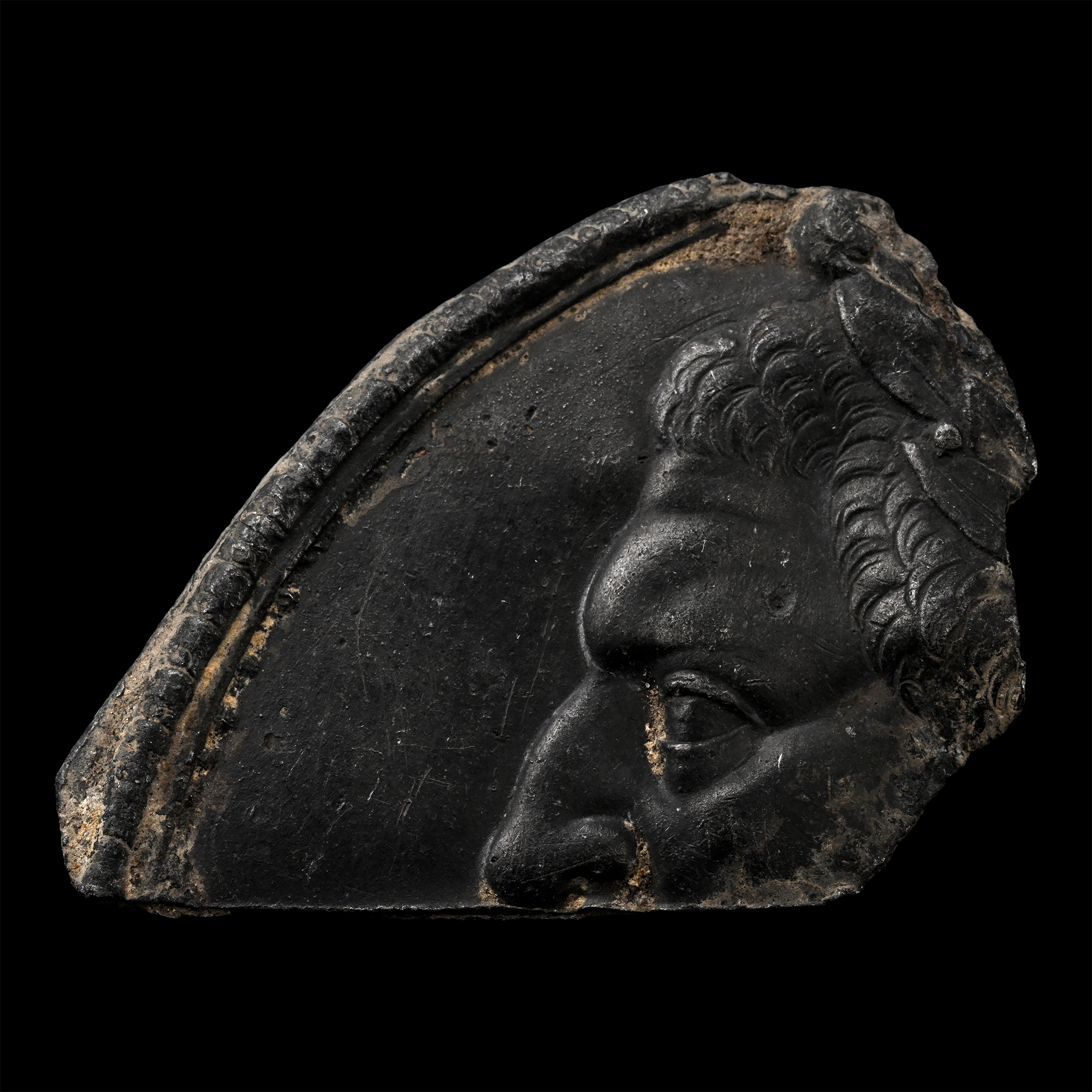
Renaissance Lead Vitellius Roundel Fragment
16TH CENTURY A.D.
2 1/4 in. (19.69 grams, 57.11 mm).
With a rounded and stepped rim; wreath, forehead, nose and eye. [No Reserve]
ProvenanceFrom the private collection of a European gentleman (1942-2024), formed since the 1970s.
CONDITIONTimeLine Auctions follows a vetting process to ensure the authenticity and legality of all items, reinforcing our commitment to integrity and responsible trading. Each antiquity, antique, and coin lot undergoes thorough examination by a vetting committee of at least ten external specialists, professional trade association members, scientists, and archaeologists: Our Vetting Process
AUCTIONS:
TimeLine is a leading auction house specialising in antiquities, ancient art, collectables, natural history, coins, medals, and books. Our auctions offer museums, collectors, historians, and enthusiasts the opportunity to acquire unique and historically significant pieces.
-
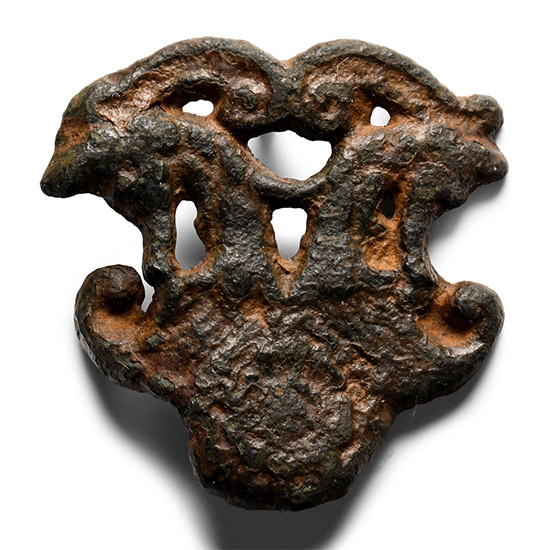
Post-Medieval Bronze Pilgrim's Badge
Circa 16th-17th century A.D.Sold for (Inc. bp): £7
Openwork plaque with rosette supported on scrolled leaves and stems, scrolled band beneath; baroque style. 9.15 grams, 33 mm
From a retired Lincolnshire, UK, gentleman's collection, a long time member of the Pewter Society. -
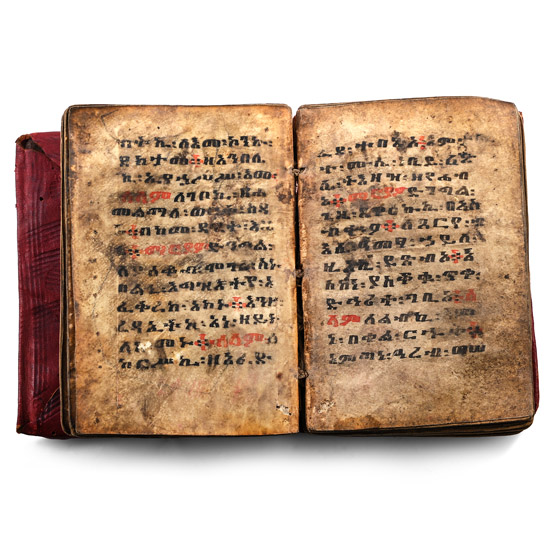
Ethiopian Leather Bound Vellum Manuscript
19th century A.D.Sold for (Inc. bp): £312
Hand-bound vellum gathering with cotton cords; approximately 60 leaves, each with thirteen lines of Ge'ez script to both faces in black ink with red punctuation and emphasis; inked knotwork panel, guilloche and other decorations; thin red leather cover on hide boards with punched cruciform pattern to outer faces, lattice to inner faces; spine separated from gathering, some wormholes. 134 grams, 10.1 x 7.3 cm
From an English private collection, 1980s. Property of a London, UK, antiquarian. -
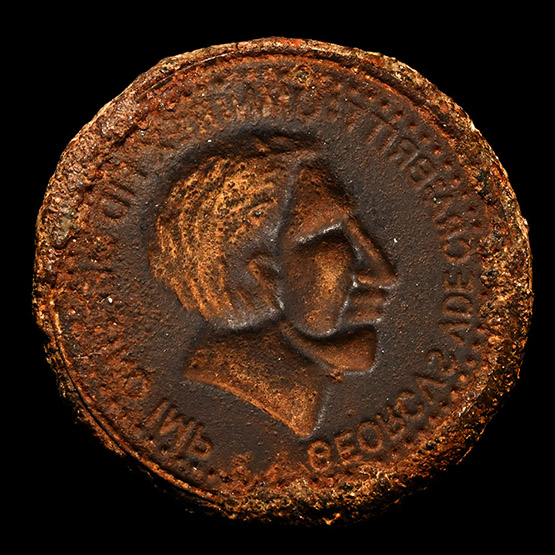
Bronze Jeweller's Stamp
Circa 20th century A.D.Estimate: £150 - 200 (+bp*)
Opening Bid: £77
Discoid in plan with loop to the upper face, lead matrix with inset bronze die with profile bust and legend of George V of Great Britain; supplied with a museum-quality impression. 34.2 grams, 32 mm
From the collection of a gentleman, acquired on the London art market in the 1990s.
