
Loading, please wait...
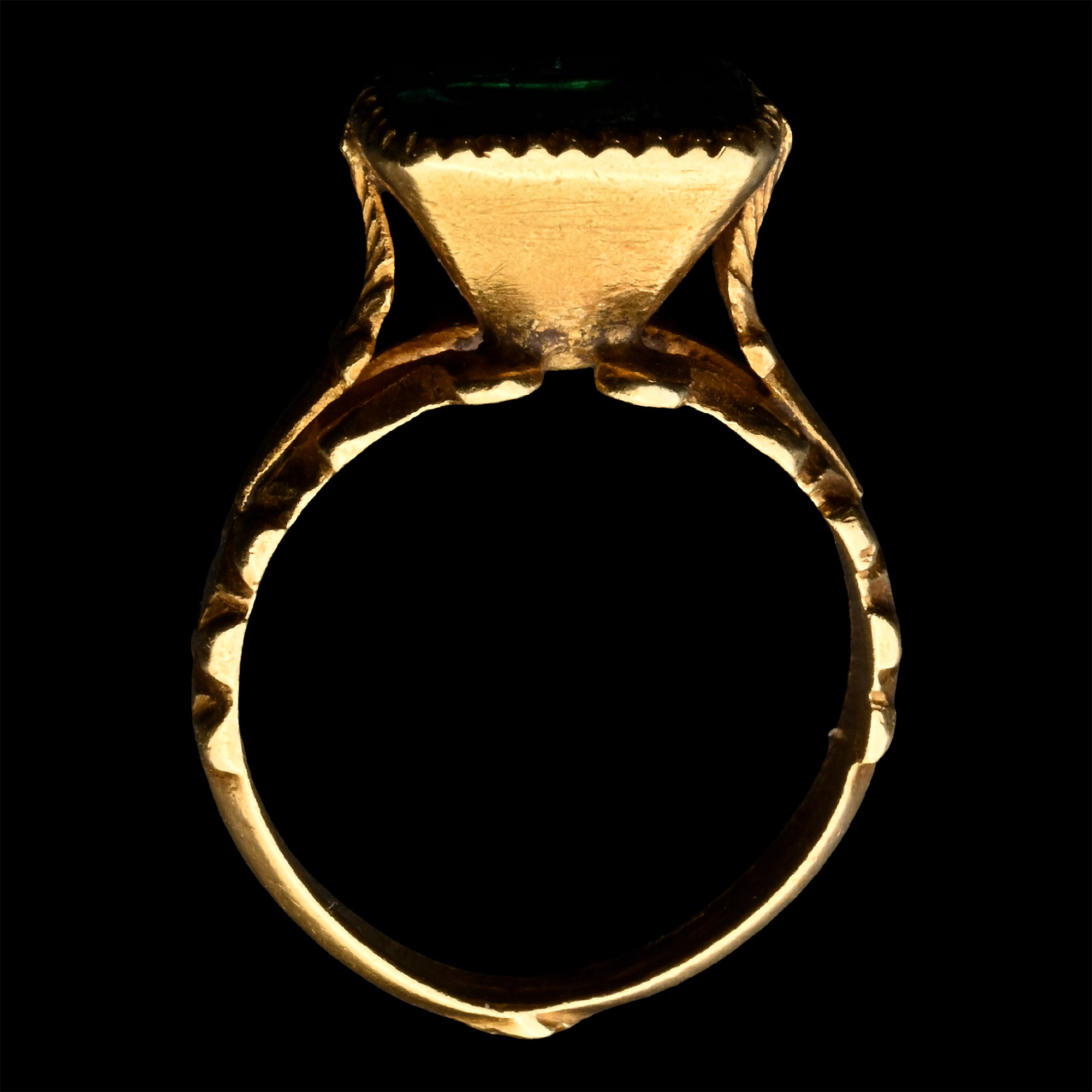
LOT 0370
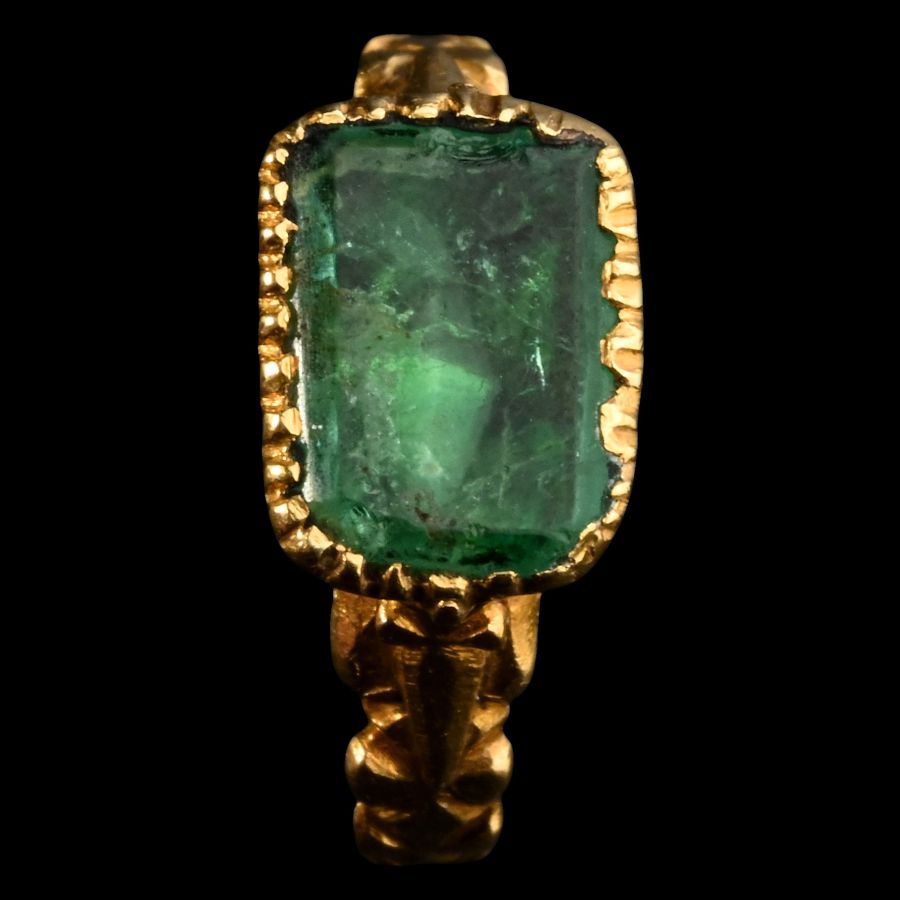
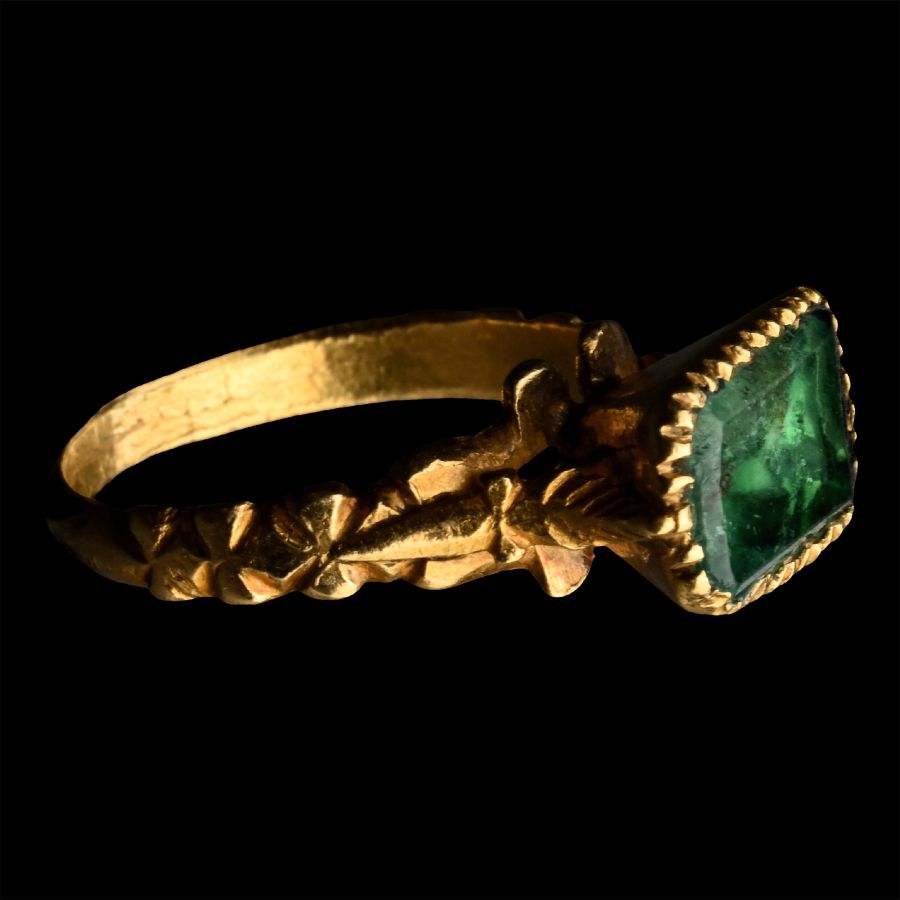
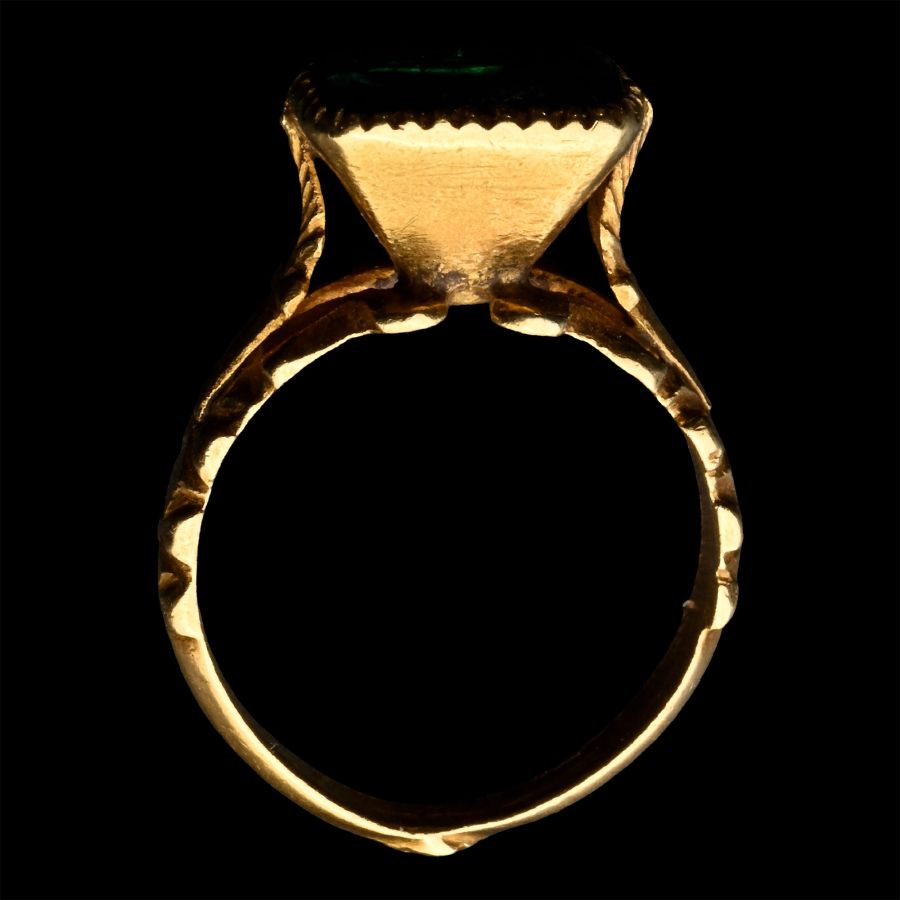
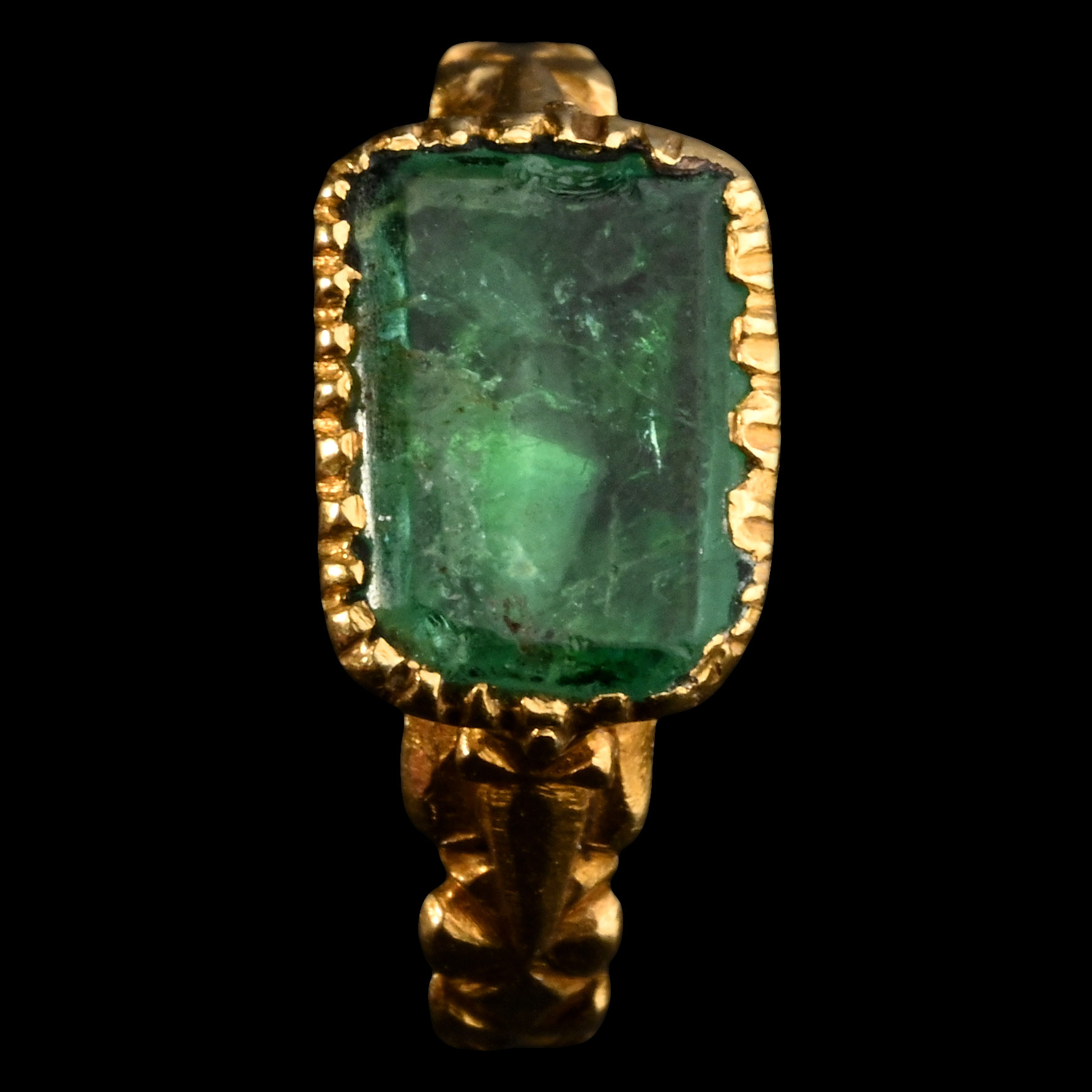
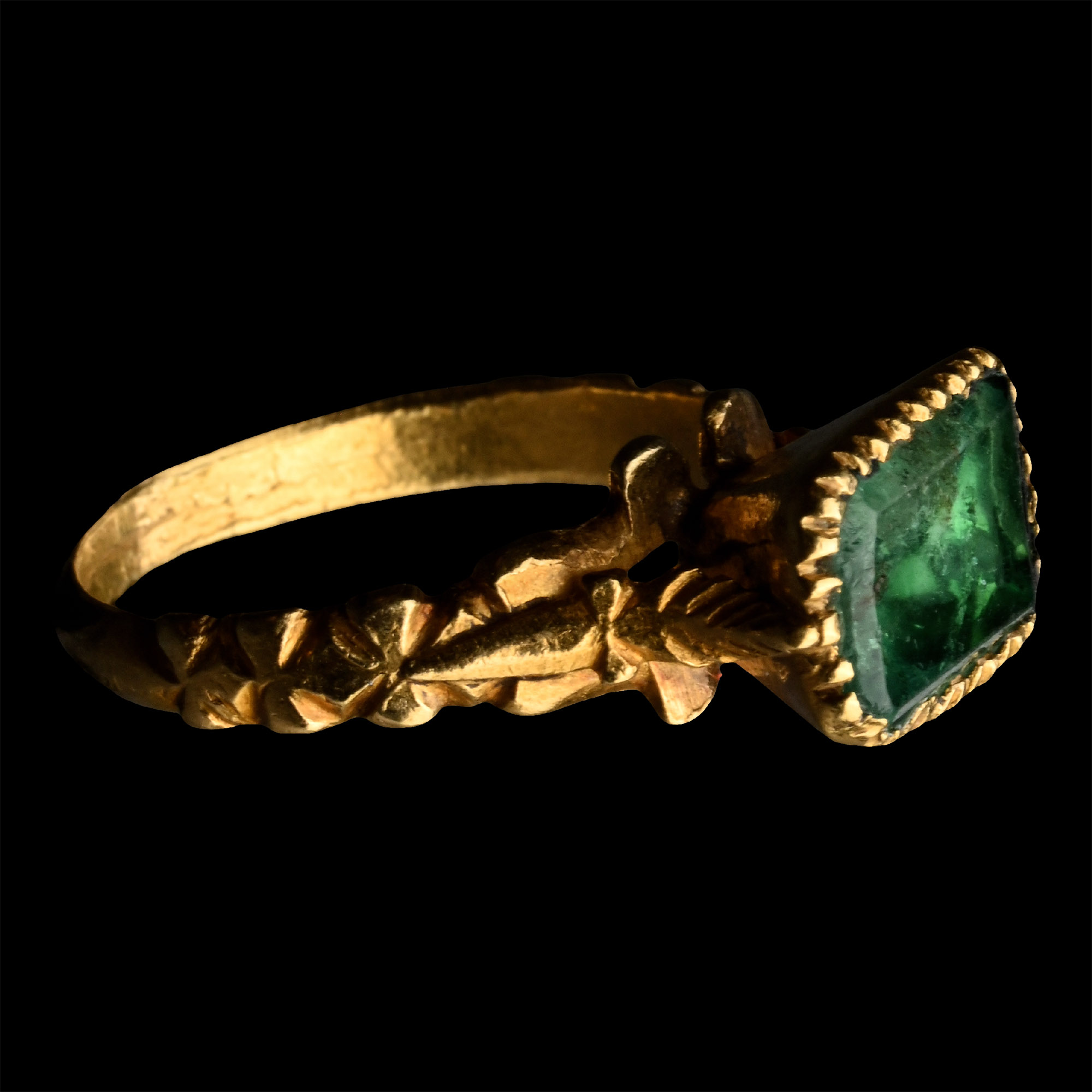
Renaissance Gold Ring with Emerald
PROBABLY SOUTH GERMANY, CIRCA 1570–1590 A.D.
1 in. (4.26 grams, 26.19 mm overall, 16.36 x 17.38 mm internal diameter (approximate size British L, USA 5 3/4, Europe 11.24, Japan 10)).
Set with a rectangular table-cut emerald in a raised box collet, small petal-shaped projections surrounding the stone, creating a flower-like setting, the bezel supported by chased and pierced foliate scroll shoulders projecting from a slender hoop.
ProvenanceAcquired on the European art market.
UK, private collection.
The combination of the projecting floral collet, table-cut stone and vegetal shoulders corresponds to late sixteenth-century South German rings, including an emerald ring with a Blütenfassung, or flower setting, in the Bayerisches Nationalmuseum. Bayerisches Nationalmuseum, T 4298.
CONDITIONTimeLine Auctions follows a vetting process to ensure the authenticity and legality of all items, reinforcing our commitment to integrity and responsible trading. Each antiquity, antique, and coin lot undergoes thorough examination by a vetting committee of at least ten external specialists, professional trade association members, scientists, and archaeologists: Our Vetting Process
AUCTIONS:
TimeLine is a leading auction house specialising in antiquities, ancient art, collectables, natural history, coins, medals, and books. Our auctions offer museums, collectors, historians, and enthusiasts the opportunity to acquire unique and historically significant pieces.
LOT 0370
Renaissance Gold Ring with Emerald
Estimate £1,500 - 2,000€1,740 - 2,320 (for guidance only)$2,030 - 2,700 (for guidance only)
Opening Bid
£750 (EUR 870; USD 1,013) +BP*
-
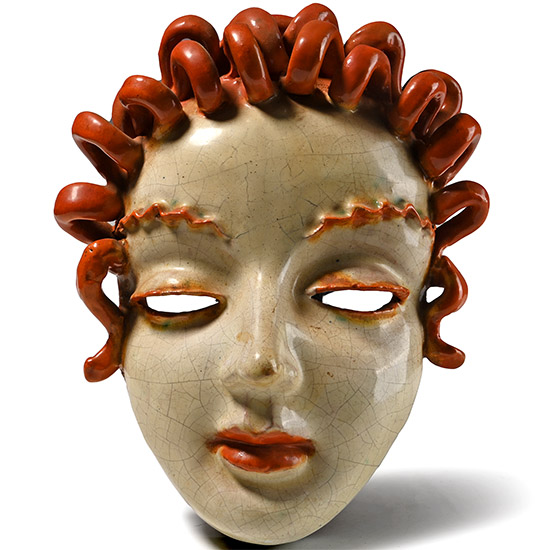
Rudolf Knorlein Womens' Glazed Ceramic Mask
Austria, circa 1930s.Estimate: £200 - 300 (+bp*)
Bids: 1 | Current Bid: £100
Glazed ceramic with hollow reverse, incised 'II / R / 0200 / Austria'; applied loops as fringe and ringlets, crimped eyebrows, voided eyes, suspension cord. 640 grams, 21 cm
Rudolf Knorlein (1902-1988). London private collection, 2016. -
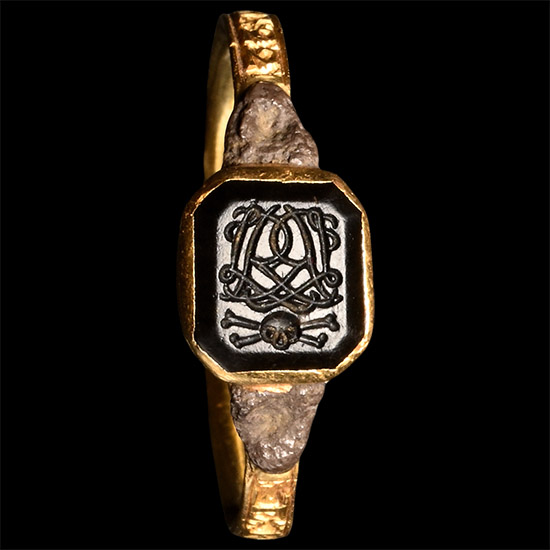
Post Medieval Gold Mourning Ring with Skull
England, dated 1725 A.D.Estimate: £2,500 - 3,500 (+bp*)
Opening Bid: £1,250
With a chased hoop engraved externally: 'L: ROGERS.OB:19.AUG:1725.AET:22', fluted octagonal bezel set with an onyx intaglio engraved with an intertwined LR monogram and a skull and crossbones, triangular shoulders with small silver settings. 2.30 grams, 21.23 mm overall, 18.06 x 15.80 mm internal diameter (approximate size British N 1/2, USA 6 3/4, Europe 14.35, Japan 13)
Acquired on the European art market. UK, private collection. This lot has been checked against the Interpol Database of stolen works of art and is accompanied by search certificate no.13499-263472.
The memento mori jewellery of the 16th-18th centuries served as wearable ‘reminders of mortality’. Typical motifs within this genre included skulls, skeletons, crossbones, hourglasses, coffins, the gravedigger’s pick and shovel, and various other emblems of death and decay. -
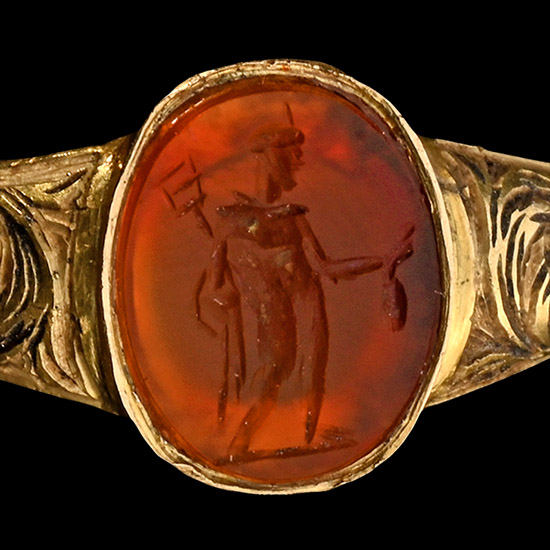
Stuart Period Gold Ring with Roman Carnelian Gemstone of Mercury
Circa 17th century A.D., intaglio 1st-2nd century A.D.Estimate: £1,800 - 2,400 (+bp*)
Opening Bid: £900
With intricately engraved shoulders, with floral design, filled with the remains of black enamel; the bezel with a discoid intaglio standing figure of Mercury in profile, with marsupium in one extended hand and caduceus supported in the crook of the other arm with chlamys draped from the shoulder. 2.87 grams, 24.61 mm overall, 18.76 x 21.81 mm internal diameter (approximate size British T, USA 9 1/2, Europe 21.26, Japan 20)
Ex Peter Szuhay, Mayfair, London, UK. Private collection, 1980s. Acquired on the UK art market. Private collection, London, UK. This lot has been checked against the Interpol Database of stolen works of art and is accompanied by search certificate no.13487-262460.
On such gems, the god is usually depicted standing, with his head in profile and accompanied by his attributes: he holds a purse, a marsupium, in one hand, while the caduceus is tucked under his arm, wrapped in his cloak. Mercury was the patron of commerce and merchants, but also of thieves; the purse represented profit.
