
Loading, please wait...
LOT 0369
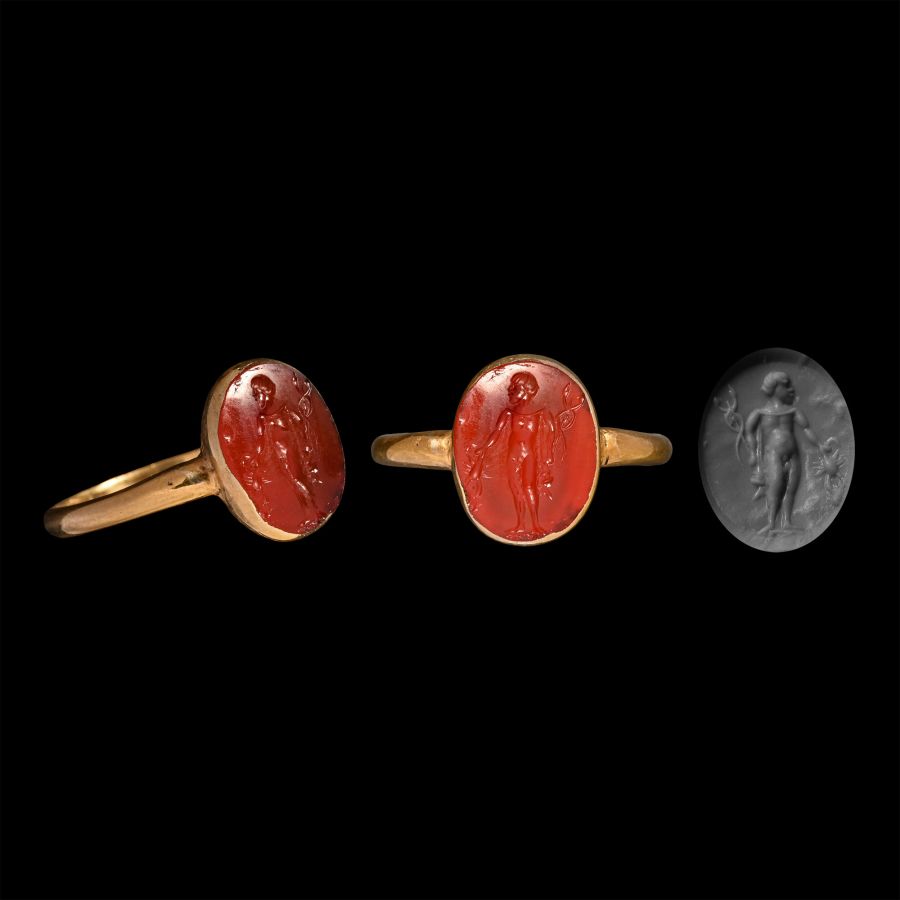
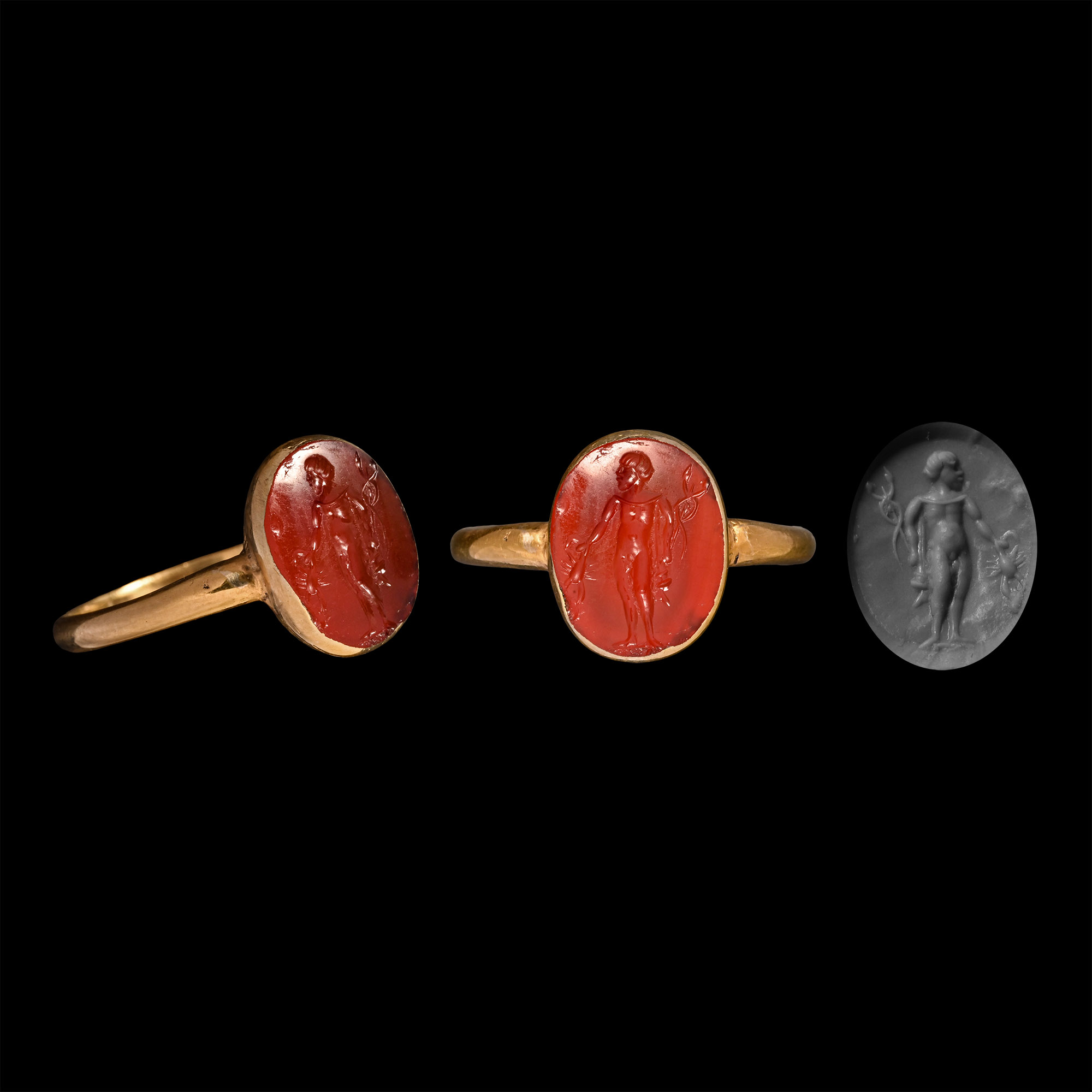
Renaissance Carnelian Gemstone Depicting the God Mercury in Gold Ring
16TH-17TH CENTURY A.D.
1 in. (4.63 grams, 24.38 mm overall, 18.99 mm internal diameter (approximate size British R 1/2, USA 8 3/4, Europe 19.38, Japan 18)).
Cloison with incuse figure of Mercury standing with caduceus and marsupium; set into a later gold ring; supplied with a museum-quality impression.
ProvenancePrivate collection, Europe.
Acquired on the English art market.
TimeLine Auctions follows a vetting process to ensure the authenticity and legality of all items, reinforcing our commitment to integrity and responsible trading. Each antiquity, antique, and coin lot undergoes thorough examination by a vetting committee of at least ten external specialists, professional trade association members, scientists, and archaeologists: Our Vetting Process
AUCTIONS:
TimeLine is a leading auction house specialising in antiquities, ancient art, collectables, natural history, coins, medals, and books. Our auctions offer museums, collectors, historians, and enthusiasts the opportunity to acquire unique and historically significant pieces.
LOT 0369
Renaissance Carnelian Gemstone Depicting the God Mercury in Gold Ring
Sold for (Inc. bp): £1,170
-
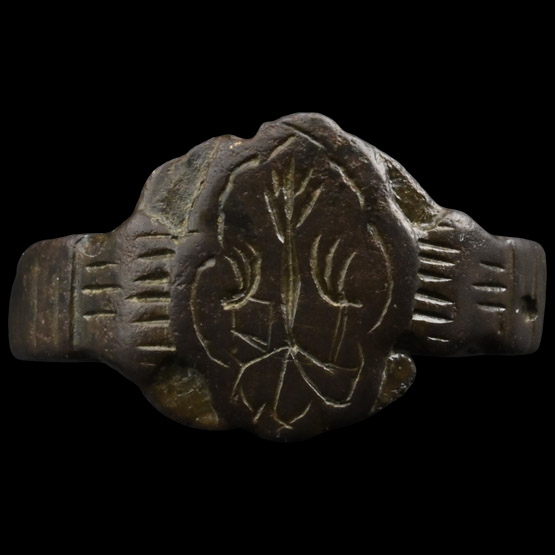
Post Medieval Bronze Ring with Bird
17th-18th century A.D.Sold for (Inc. bp): £26
Flat-section hoop with hatched shoulders, plaque with raised panel, spread eagle motif lightly incised. 2.93 grams, 21.84 mm overall, 18.09 mm internal diameter (approximate size British P 1/2, USA 7 3/4, Europe 16.86, Japan 16)
Ex German art market, 2000s. Acquired from an EU collector living in London. From the collection of a Surrey, UK, gentleman. -
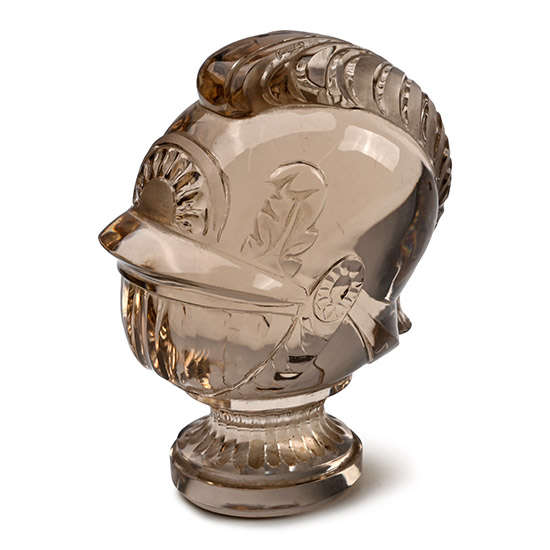
Smoky Quartz Desk Seal in the form of a Plumed Helmet
French, 19th century A.D.Sold for (Inc. bp): £715
Modelled in the round as a plumed helmet with a barred visor and a chin strap, resting on a low pedestal. 182 grams, 71 mm
Private collection, Europe. Acquired on the English art market. -
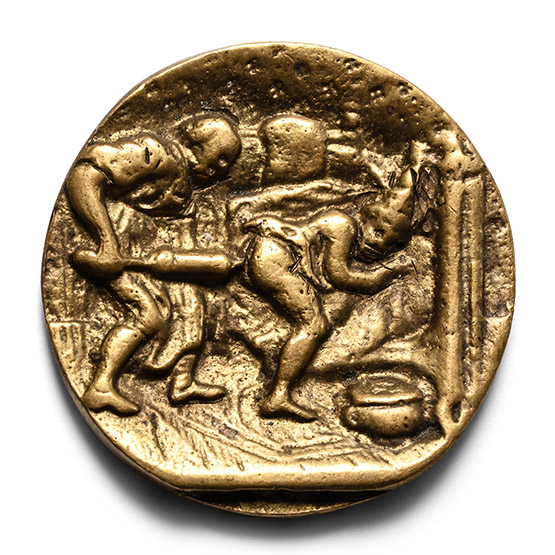
Dutch Erotic Bronze Box Inlay
17th-18th century A.D.Sold for (Inc. bp): £286
Discoid in plan with low-relief scene of two lovers, bed and chamber-pot. 8.42 grams, 26 mm
Ex private UK collection. Property of a London, UK, antiquarian.
