
Loading, please wait...
_900x900.jpg "Renaissance Agate Cameo with Lioness in Gold Ring")
_200x200.jpg "Renaissance Agate Cameo with Lioness in Gold Ring")
_900x900.jpg "Renaissance Agate Cameo with Lioness in Gold Ring")
_200x200.jpg "Renaissance Agate Cameo with Lioness in Gold Ring")
.jpg "Renaissance Agate Cameo with Lioness in Gold Ring")
.jpg "Renaissance Agate Cameo with Lioness in Gold Ring")
LOT 0349
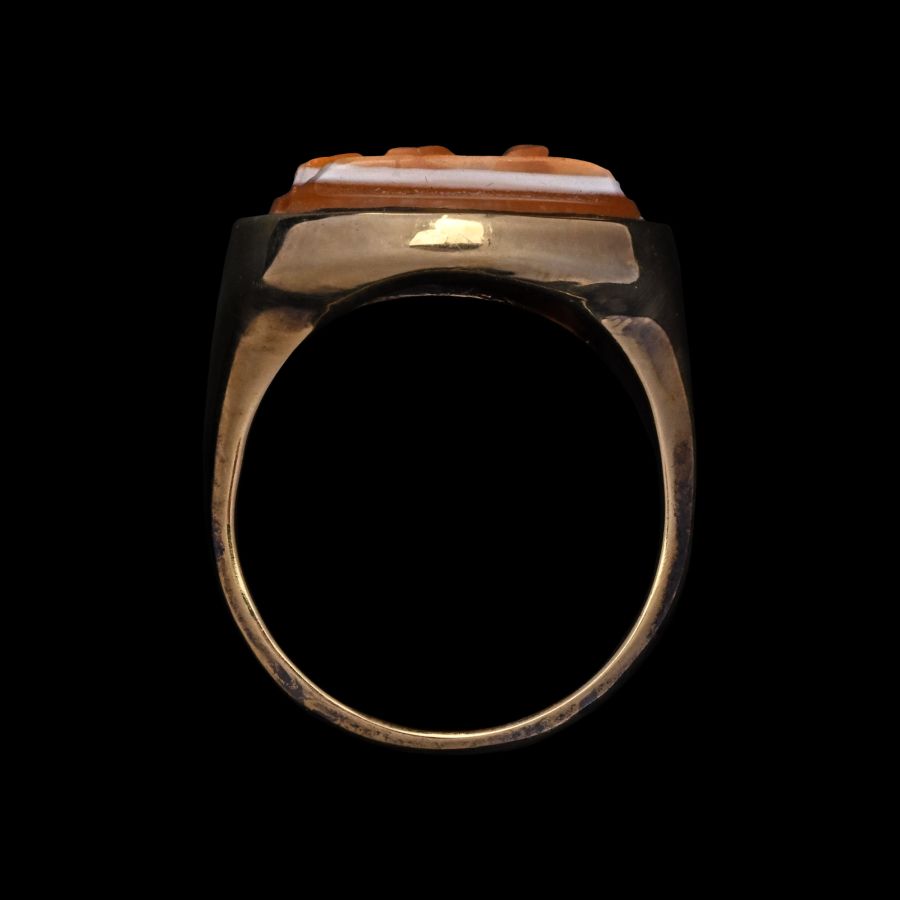
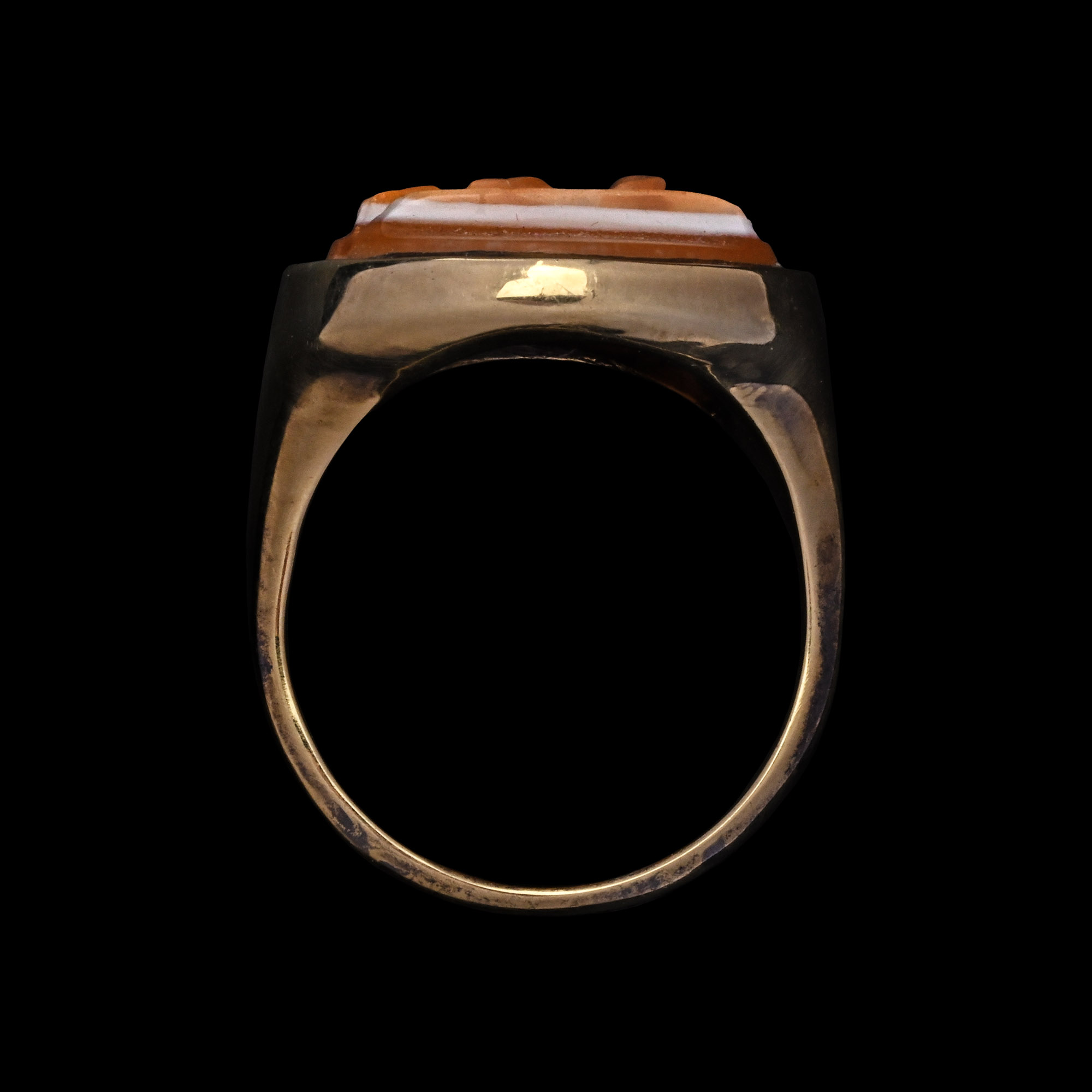
Renaissance Agate Cameo with Lioness in Gold Ring
EUROPE, 17TH CENTURY A.D.
1 in. (8.19 grams, 24.60 mm overall, 17.03 x 17.62 mm internal diameter (approximate size British N, USA 6 1/2, Europe 13.72, Japan 13)).
An orange agate came depicting a lioness on a baseline with its head lowered, the cameo drilled longitudinally and set in gold ring.
ProvenanceAcquired on the European art market.
This lot has been checked against the Interpol Database of stolen works of art and is accompanied by search certificate number no.13395-257958.
TimeLine Auctions follows a vetting process to ensure the authenticity and legality of all items, reinforcing our commitment to integrity and responsible trading. Each antiquity, antique, and coin lot undergoes thorough examination by a vetting committee of at least ten external specialists, professional trade association members, scientists, and archaeologists: Our Vetting Process
AUCTIONS:
TimeLine is a leading auction house specialising in antiquities, ancient art, collectables, natural history, coins, medals, and books. Our auctions offer museums, collectors, historians, and enthusiasts the opportunity to acquire unique and historically significant pieces.
LOT 0349
Renaissance Agate Cameo with Lioness in Gold Ring
Estimate £2,000 - 3,000€2,320 - 3,480 (for guidance only)$2,700 - 4,050 (for guidance only)
-
Renaissance Shell Cameo Collection
17th century A.D.Estimate: £200 - 300 (+bp*)
Opening Bid: £100
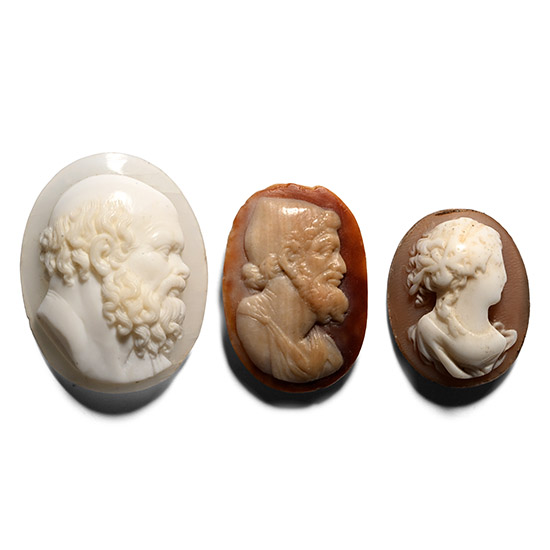
Comprising: a cameo with the bust of a mature man with a bald patch; a cameo of a bearded man wearing a peaked cap; a cameo with a profile bust of a maiden. 6.3 grams total, 19-26 mm
Acquired on the European art market. -
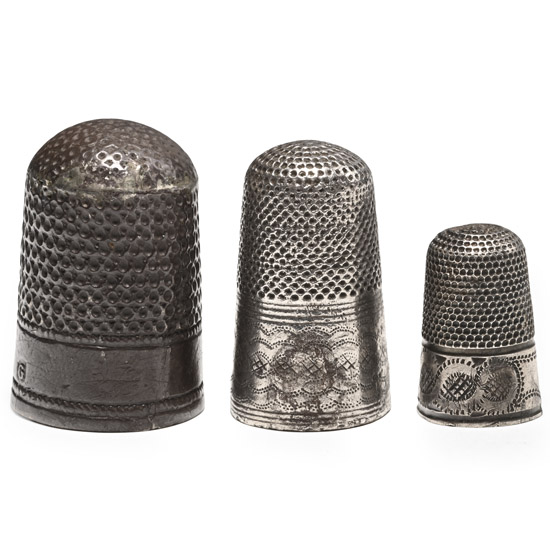
Post Medieval Silver Thimble Group
Circa 18th-19th century A.D.Sold for (Inc. bp): £78
Comprising three thimbles: the largest with a plain band stamped with 'G' and engraved with initials '*D*I*'; the second largest with a decorative band on the lower edge with a plain shield; the smallest with a decorative band to the lower edge resembling pinecones, and a plain shield. 11.15 grams total, 16-26 mm
Acquired on the UK art market. Property of a Lancashire, UK, collector. -
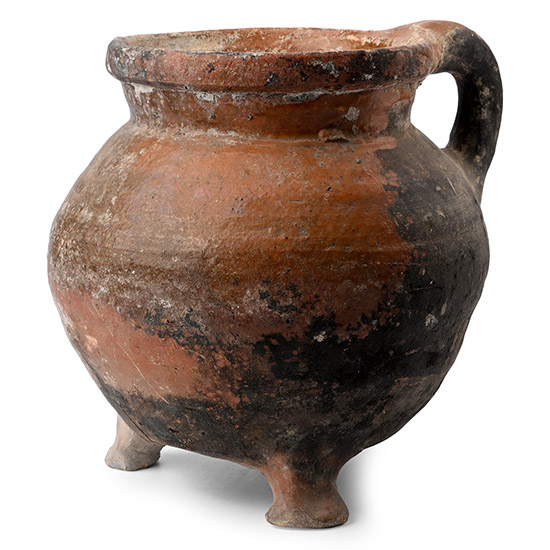
Tudor Period Glazed Ceramic Tripod Cooking Vessel
16th century A.D.Sold for (Inc. bp): £208
Comprising a bulbous body with an everted rim and a loop handle to the rear, three flaring feet on the underside. 1.05 kg, 20.6 cm wide
From a UK collection formed in the 1980s. Property of an Essex, UK, gentleman.
