
Loading, please wait...
LOT 2782
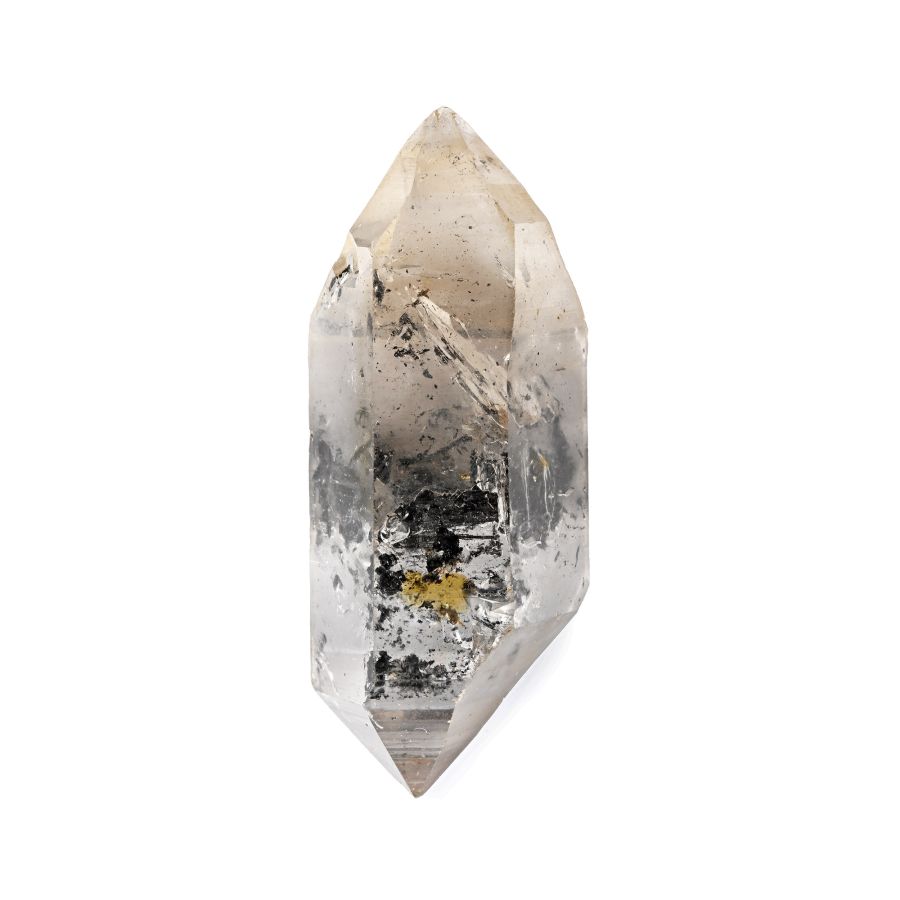
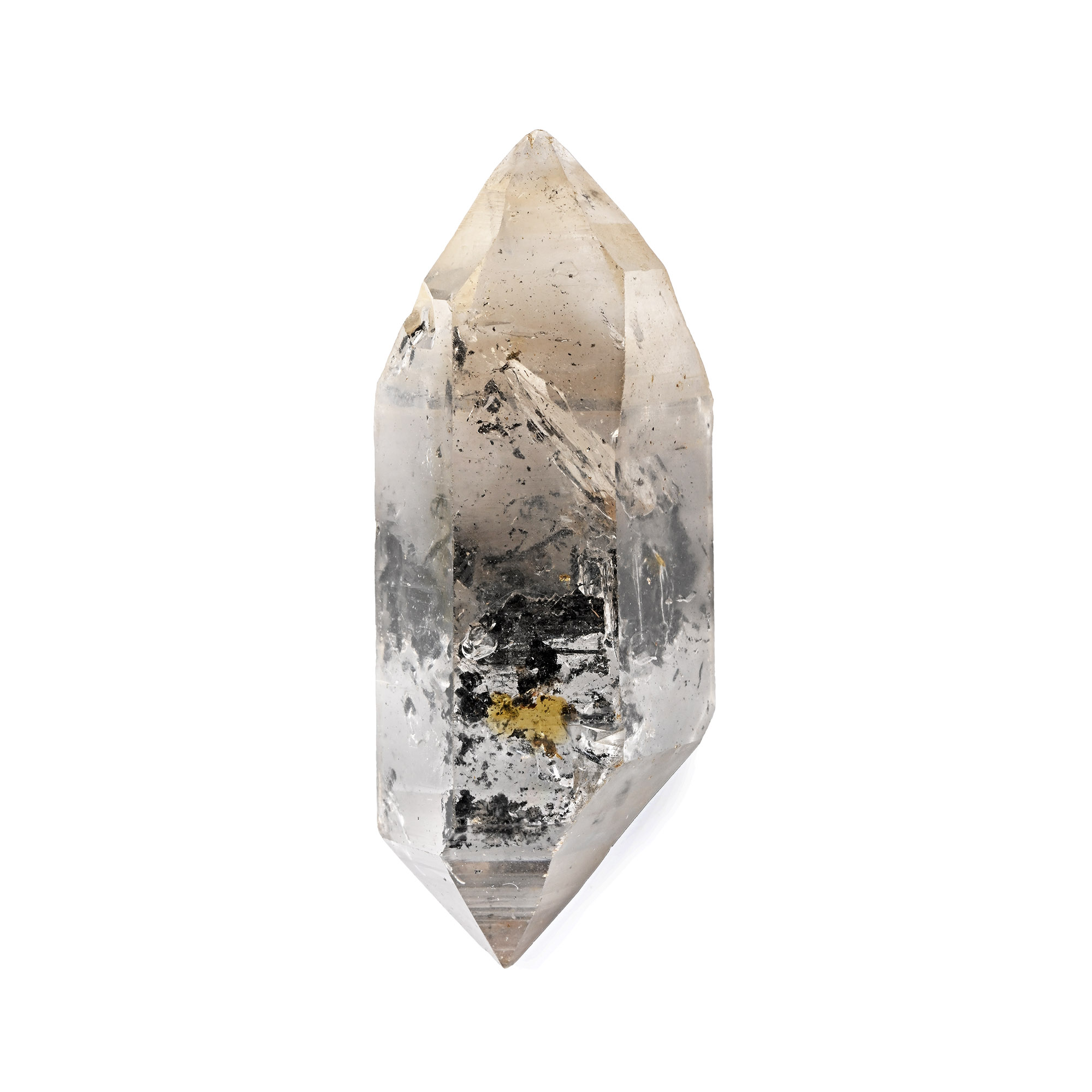
Quartz Crystal with Graphite with Moving Bubble Mineral Display Specimen
3 1/4 in. (100 grams, 83 mm).
A double terminated quartz crystal with graphite inclusions, a large liquid-filled cavity on one side in which the graphite particles are moving freely. [No Reserve]
ProvenanceFrom Cong Li, Hunan Province, China.
Property of a North West London, UK, lady.
TimeLine Auctions follows a vetting process to ensure the authenticity and legality of all items, reinforcing our commitment to integrity and responsible trading. Each antiquity, antique, and coin lot undergoes thorough examination by a vetting committee of at least ten external specialists, professional trade association members, scientists, and archaeologists: Our Vetting Process
AUCTIONS:
TimeLine is a leading auction house specialising in antiquities, ancient art, collectables, natural history, coins, medals, and books. Our auctions offer museums, collectors, historians, and enthusiasts the opportunity to acquire unique and historically significant pieces.
LOT 2782
Quartz Crystal with Graphite with Moving Bubble Mineral Display Specimen
Sold for (Inc. bp): £312
-
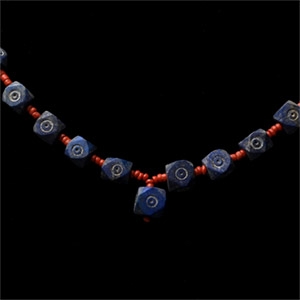
Lapis Lazuli Bead Necklace String
Sold for (Inc. bp): £20
Composed of cornerless cube-shaped lapis lazuli beads with ring-and-dot decoration, interspersed with small annular red glass beads; restrung. 32.74 grams, 41 cm
From the London, UK, art market in the 1990s. -
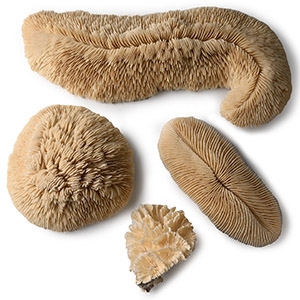
Mushroom and Lettuce Coral Collection
Sold for (Inc. bp): £20
Comprising one lettuce coral specimen and three mushroom coral specimens. 1.19 kg total, 10.4-33 cm
From the private collection of Kenneth Machin (1936-2020), Buckinghamshire, UK; his collection of antiquities and natural history was formed since 1948; thence by descent.
N.B. This lot is for UK buyers only. -
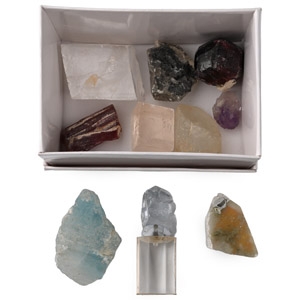
Crystal and Mineral Display Specimen Collection
Sold for (Inc. bp): £33
Comprising: selenite, almandine garnet, optical calcite, amethyst, pink tourmaline, celestite crystal on display stand with an old label to base, and others. 199 grams total, 18-49 mm
Property of a North West London, UK, lady.
