
LOT 3327
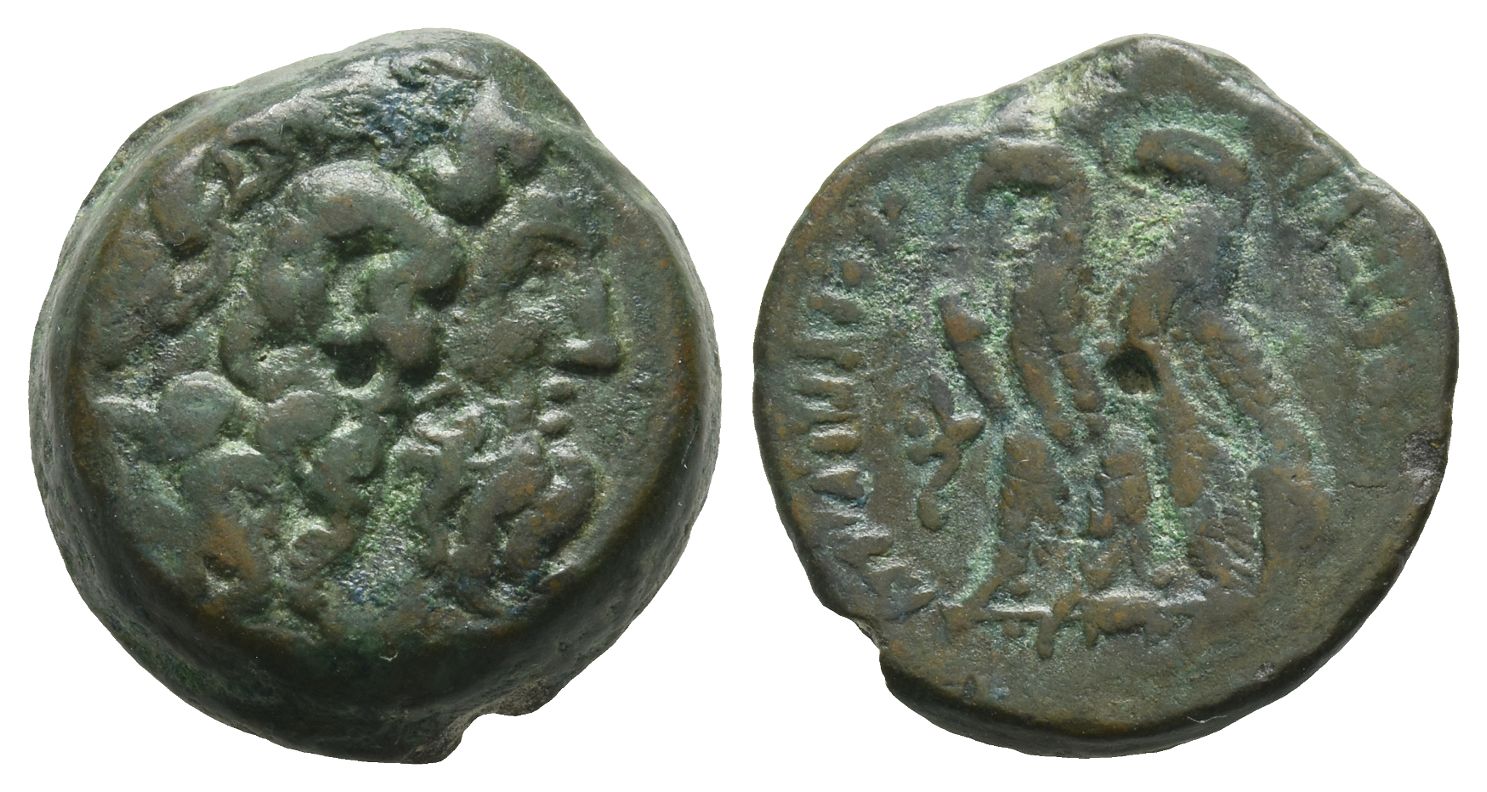
Ptolemaic Kingdom of Egypt, Ptolemy IX to Ptolemy XII AE 19mm. 116-51 BC. Alexandria mint. Series 9.
Diademed head of Zeus-Ammon to right / ΠΤΟΛΕΜΑΙΟΥ ΒΑΣΙΛΕΩΣ, two eagles with their wings closed standing to left on thunderbolt; cornucopia to left. Svoronos 1426 (Joint reign of Ptolemy VI and VIII); SNG Copenhagen 311-4 (Joint reign of Ptolemy VI and Ptolemy VIII). Near Very Fine.(8.52gr, 19mm, 12h.).
ProvenanceAcquired on the UK art market.
From the collection of Mr Carlos Bahamonde, Manchester, UK.
TimeLine Auctions follows a vetting process to ensure the authenticity and legality of all items, reinforcing our commitment to integrity and responsible trading. Each antiquity, antique, and coin lot undergoes thorough examination by a vetting committee of at least ten external specialists, professional trade association members, scientists, and archaeologists: Our Vetting Process
AUCTIONS:
TimeLine is a leading auction house specialising in antiquities, ancient art, collectables, natural history, coins, medals, and books. Our auctions offer museums, collectors, historians, and enthusiasts the opportunity to acquire unique and historically significant pieces.
LOT 3327
Ptolemaic Kingdom of Egypt, Ptolemy IX to Ptolemy XII AE 19mm.
Sold for (Inc. bp): £26
-
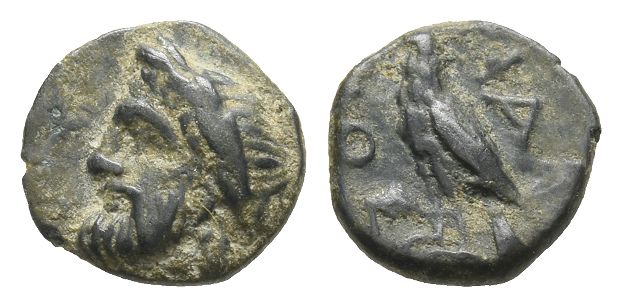
Bithynia, Tium AE 10mm. Circa 350-300 BC.
Sold for (Inc. bp): £33
Laureate head of Zeus to left / TIANOΣ, eagle standing to left with closed wings. SNG Tübingen 2151. 0.86gr, 10mm, 3h.
Very Fine.
Acquired on the European coin market. Property of a Kent, UK, gentleman.
Tium is known as the birthplace of Philetaeros, the founder of the royal dynasty of Pergamon. -
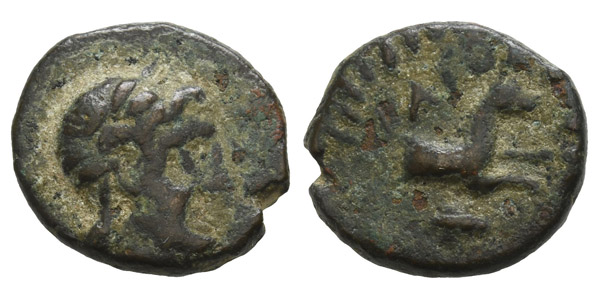
Cyclades, Karthaia on Keos AE 17mm. Circa late 3rd-2nd centuries BC.
Sold for (Inc. bp): £169
Laureate head of Apollo to right / Radiate forepart of the dog Seirios to right; KAPΘΑ above, bee below. BMC 44; SNG Copenhagen -; HGC 6, 560. 3.92gr, 17mm, 12h.
Near Very Fine. Rare.
Acquired on the European coin market. Property of a Kent, UK, gentleman.
The citizens of Keos watched for the rising of the Seirios ('Dog Star', the brightest star in the night sky) every year from the mountaintops. By observing the appearance of the star, the inhabitants would try to determine whether the island would suffer from epidemics or not. If the star appeared clear and bright, the islanders would experience a healthy year, but if it appeared misty and dull, disease would spread across the island. There was a cult where the inhabitants of Keos tried to guard against the effects of Seirios using rituals. They prayed to Aristaios, the son of Apollo and Kyrene, who was taught both medicine and divination by the Centaur Chiron. He came to the island, built an altar, and ordered the islanders to pray to Zeus for refreshing winds and rains (see Apollonius Rhodius, Argonautica 2.518 ff). -
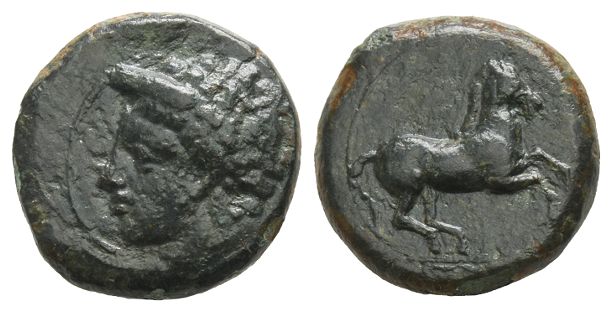
North Africa, Carthage AE 19mm. Circa late 4th-early 3rd century BC. Uncertain mint in Sicily and/or Carthage.
Sold for (Inc. bp): £117
Wreathed head of Tanit to left / Horse galloping to right. CNP 126; MAA 15; SNG Copenhagen 94-6. 6.43gr, 19mm, 6h.
Good Very Fine.
Acquired on UK art market. Property of a Middlesex gentleman.
