
LOT 4225
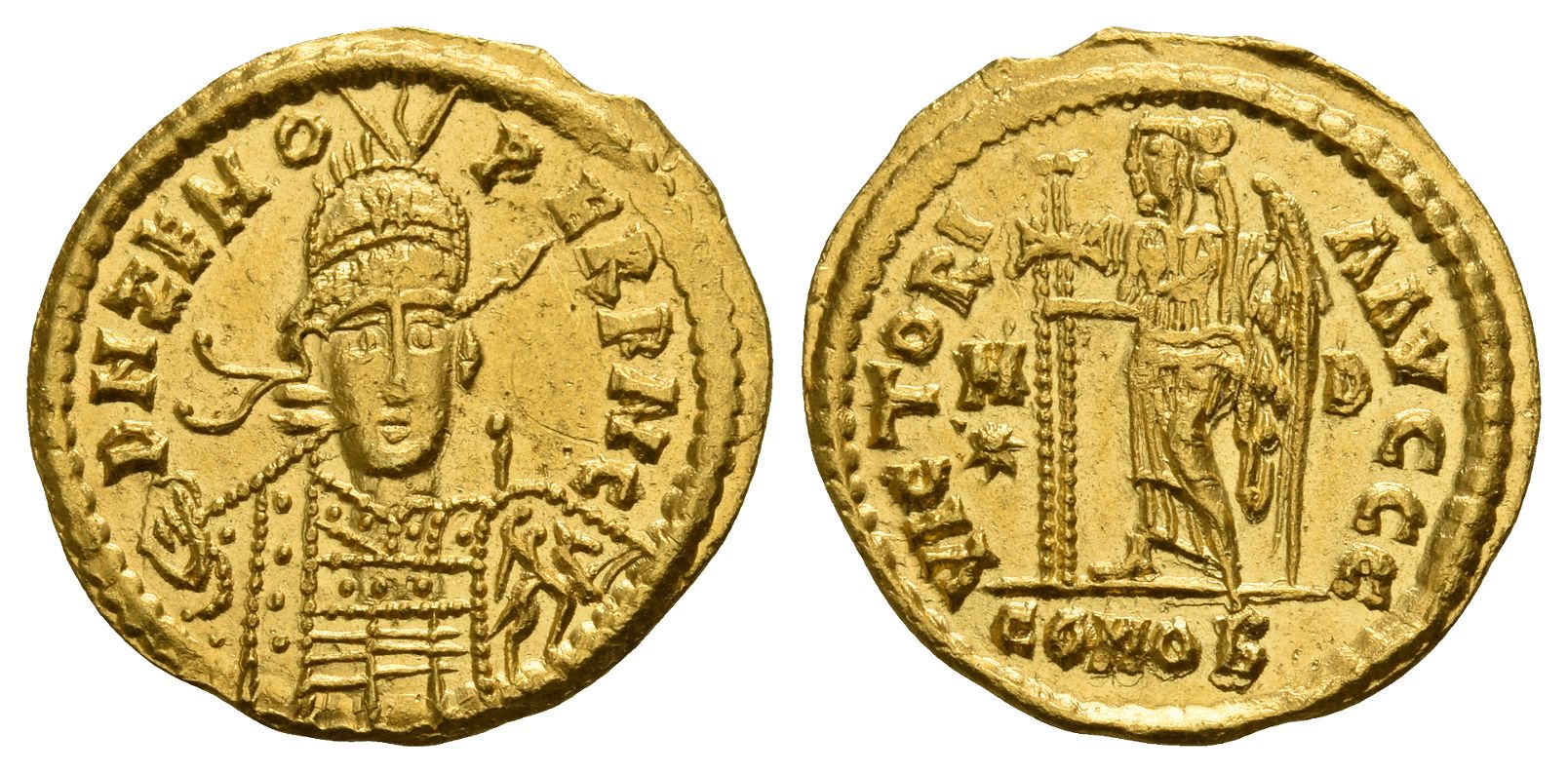
Pseudo-Imperial, Odovacar (Odoacer) AV Solidus. AD 476-489. Mediolanum mint. In the name of Zeno.
D N ZENO PERP AVG (AV ligate), pearl-diademed, helmeted and cuirassed bust facing, holding spear and shield decorated with horseman and fallen enemy motif / VICTORIA AVGGG, Victory standing facing, head to left, holding long jewelled cross; M-D across fields, star to left, COMOB in exergue. RIC X 3601; Lacam pl. 53, 55; Depeyrot 39/1. About Mint State. Extremely rare.(4.34gr, 21mm, 12h.).
ProvenanceAcquired on the UK coin market.
From the private coin collection of a West London, UK, gentleman.
TimeLine Auctions follows a vetting process to ensure the authenticity and legality of all items, reinforcing our commitment to integrity and responsible trading. Each antiquity, antique, and coin lot undergoes thorough examination by a vetting committee of at least ten external specialists, professional trade association members, scientists, and archaeologists: Our Vetting Process
AUCTIONS:
TimeLine is a leading auction house specialising in antiquities, ancient art, collectables, natural history, coins, medals, and books. Our auctions offer museums, collectors, historians, and enthusiasts the opportunity to acquire unique and historically significant pieces.
LOT 4225
Pseudo-Imperial, Odovacar (Odoacer) AV Solidus.
Estimate £1,200 - 1,700€1,390 - 1,970 (for guidance only)$1,620 - 2,300 (for guidance only)
Opening Bid
£600 (EUR 696; USD 810) +BP*
-
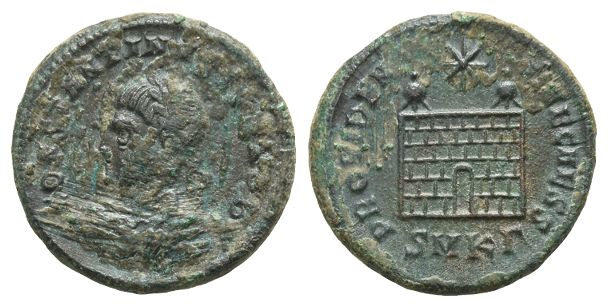
Constantine II, as Caesar, BI Nummus. AD 324-325. Cyzicus mint. 3rd officina.
Estimate: £20 - 30 (+bp*)
Opening Bid: £5
CONSTANTINVS IVN NOB C, laureate draped and cuirassed bust to left / PROVIDENTIAE CAESS, camp gate with no doors, two turrets, star above; SMKΓ in exergue. RIC VII 26. 3.17gr, 19mm, 12h.
Very Fine.
Acquired on the European coin market. Property of a Kent, UK, gentleman. -
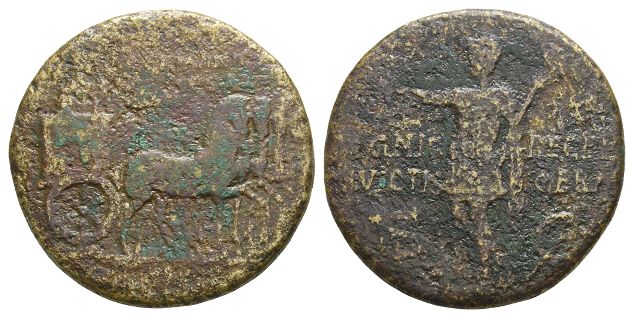
Germanicus AE Dupondius. Struck under Gaius (Caligula), AD 37-41. Rome mint. Commemorating the triumph of Germanicus over the Germans.
Estimate: £20 - 30 (+bp*)
Opening Bid: £5
GERMANICVS CAESAR, Germanicus, bare-headed, draped and holding eagle-tipped sceptre and reins, driving triumphal quadriga to right; chariot decorated with figure of Victory advancing to right / SIGNIS RECEPT DEVICTIS GERM ('standards recovered from the defeated Germans'), Germanicus, bare-headed, wearing cuirass and short tunic, standing to left, cradling aquila, and extending right hand in gesture of command; large S C across lower fields. RIC I 57 (Gaius); BMCRE 93-100 (Caligula). 10.14gr, 28mm, 7h.
`Good Fine.
From the private collection of an Essex, UK, lady.
The reverse inscription SIGNIS RECEPT DEVICTIS GERM[ANIS] refers to the recovery of the aquilae in a grove where they had been buried by the barbarians and their return to Rome. -
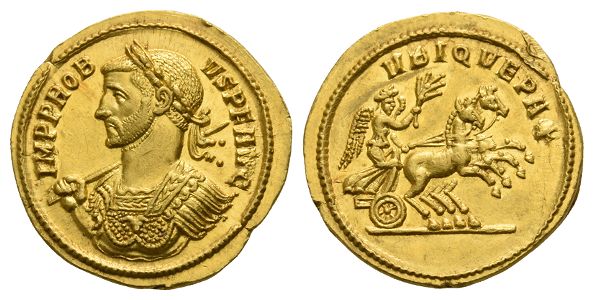
Probus AV Aureus. Struck end of AD 281. Rome mint. 6th emission. Heavy issue.
Estimate: £18,000 - 24,000 (+bp*)
Opening Bid: £9,000
IMP PROB-VS P F AVG, laureate and cuirassed bust to left, Medusa head and aegis on cuirass, holding spear over far shoulder / VBIQVE PAX, Victory, holding olive branch in right hand and reins in left, driving fast biga to right. RIC V.2 139; Estiot, L’atelier de Rome au début du règne de Probus pl. 12, 67.3 (D15/R28); Biaggi -; Calicó 4209; Hunterian -; Jameson -; Mazzini -. 6.69gr, 21mm, 6h.
Good Extremely Fine. Well-centred and wonderfully lustrous. Very rare; only very few specimens are known.
Ex Leu Numismatik AG, Auction 13, 27 May 2023, lot 348. Acquired on the UK coin market. From the private coin collection of a West London, UK, gentleman.
From Leu Numismatik note: VBIQVE PAX, 'peace everywhere'! - this is what the reverse of this beautiful aureus boldly proclaims. Yet while Roman authorities, like most governments, had a tendency of exaggerating successes and sugar-coating defeats, the message delivered to the public with this very rare emission was not entirely off the mark. Up to this date, Probus and his army had constantly been in the field, fighting off barbarian incursions into the empire, local unrests, and internal revolts alike. However, with the rebellions in Britain, Gaul, Germany, and Syria crushed and the frontiers secured for now, the emperor had every right to be proud of his achievements, and he consequently celebrated a well-deserved triumph in Rome in late 281. It is on this occasion that our coin was issued, and probably handed out to the troops or important officials, forming a beautiful testimony to the highly sophisticated Roman political iconography of the period. Unfortunately for the emperor, however, it was reportedly the very peace he had achieved that would, in a strange twist of fate, lead to his downfall the next year, when he was assassinated by a gang of bored and frustrated legionaries.
