
Loading, please wait...
LOT 0227
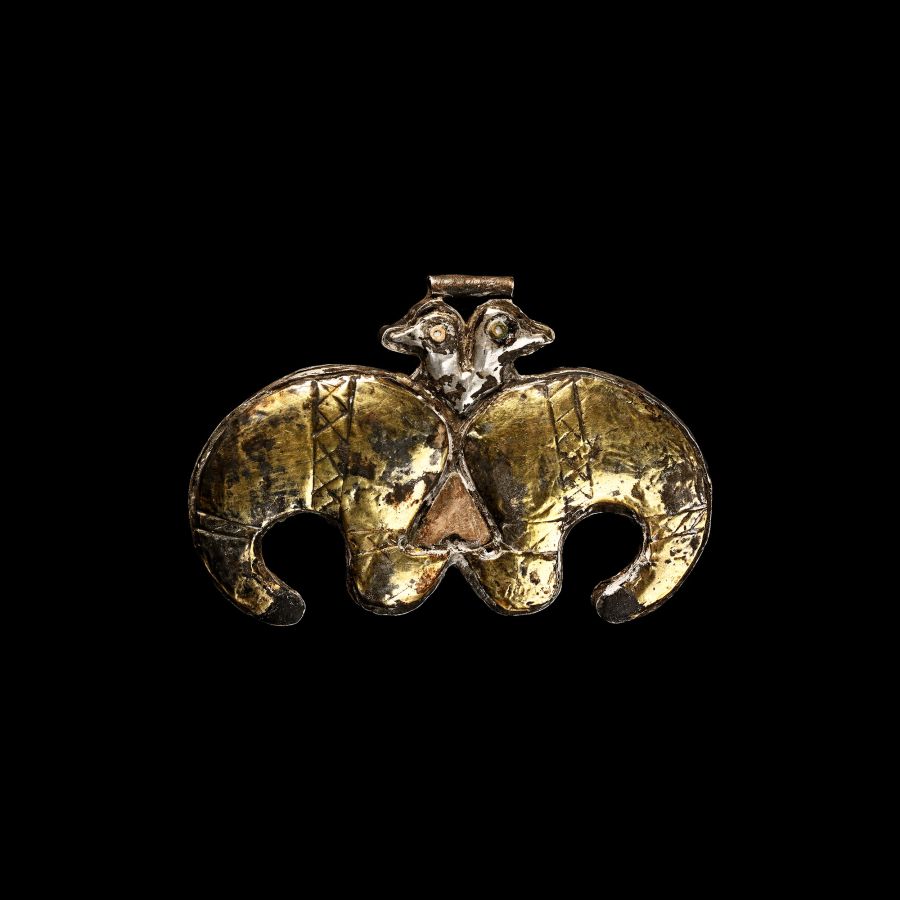
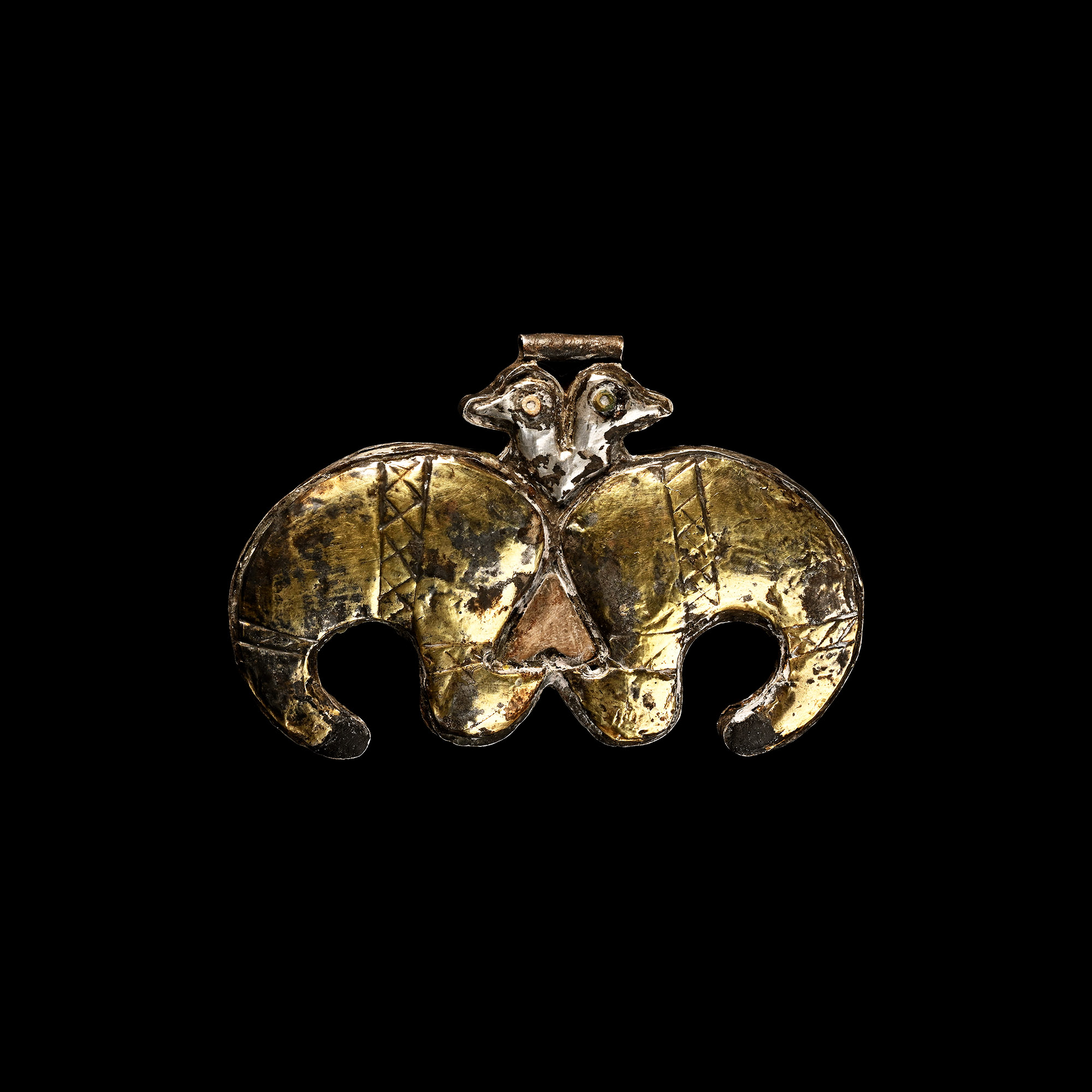
Proto-Elamite Silver Double Bird Pendant
LATE 4TH-EARLY 3RD MILLENNIUM B.C.
2 3/4 in. (19.91 grams, 71 mm).
Plano-convex in section with gilt convex body panels each with hatched bands, addorsed bird-heads with inset eyes and suspension tube above.
ProvenanceAcquired in the mid-1980s to early 1990s.
Private collection, London, UK.
TimeLine Auctions follows a vetting process to ensure the authenticity and legality of all items, reinforcing our commitment to integrity and responsible trading. Each antiquity, antique, and coin lot undergoes thorough examination by a vetting committee of at least ten external specialists, professional trade association members, scientists, and archaeologists: Our Vetting Process
AUCTIONS:
TimeLine is a leading auction house specialising in antiquities, ancient art, collectables, natural history, coins, medals, and books. Our auctions offer museums, collectors, historians, and enthusiasts the opportunity to acquire unique and historically significant pieces.
LOT 0227
Proto-Elamite Silver Double Bird Pendant
Estimate £1,500 - 2,000€1,740 - 2,320 (for guidance only)$2,030 - 2,700 (for guidance only)
-
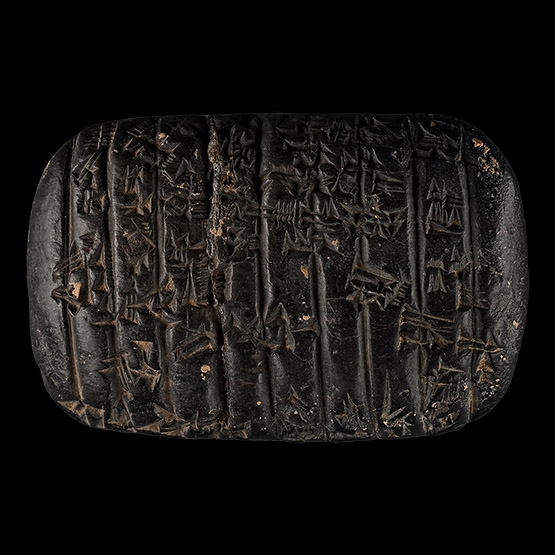
Western Asiatic Terracotta Cuneiform Tablet
2nd millennium B.C.Estimate: £1,500 - 2,000 (‡+bp*)
Opening Bid: £750
Pillow-shaped with columnar ribbing to the broad faces, dense cuneiform text in the columns. 57.2 grams, 63 mm
Private collection of Mr K., Maryland, USA. Private collection, Switzerland, acquired in 2000. This lot has been checked against the Interpol Database of stolen works of art and is accompanied by a search certificate number no.12893-241757. -
.jpg)
Western Asiatic Banded Agate Animal Bead
1st millennium B.C.Estimate: £300 - 400 (+bp*)
Opening Bid: £150
Carved in the round, bottle-sjaped with ribbed band of hair or fur, ring-and-dot eyes. 2.93 grams, 20 mm
Private collection, England. -
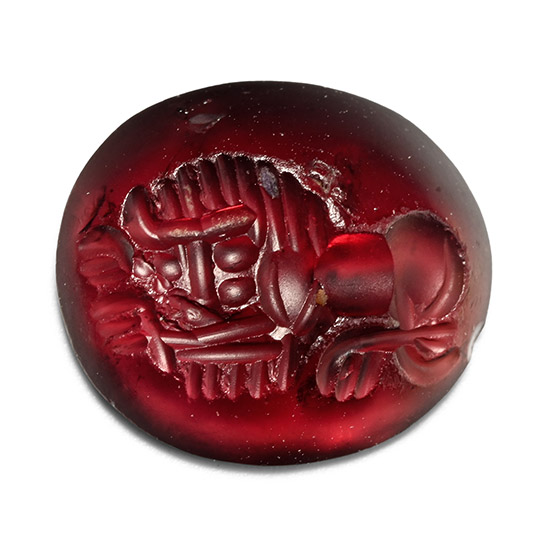
Sasanian Garnet Gemstone of a Lion
5th-7th century A.D.Estimate: £500 - 700 (+bp*)
Opening Bid: £250
Plano-convex in section with incuse sleeping lion; supplied with a museum-quality impression. 0.55 grams, 10 mm
Private English collection, formed between the late 1970s and early 1990s. Private collection, London, UK.
