
LOT 3043
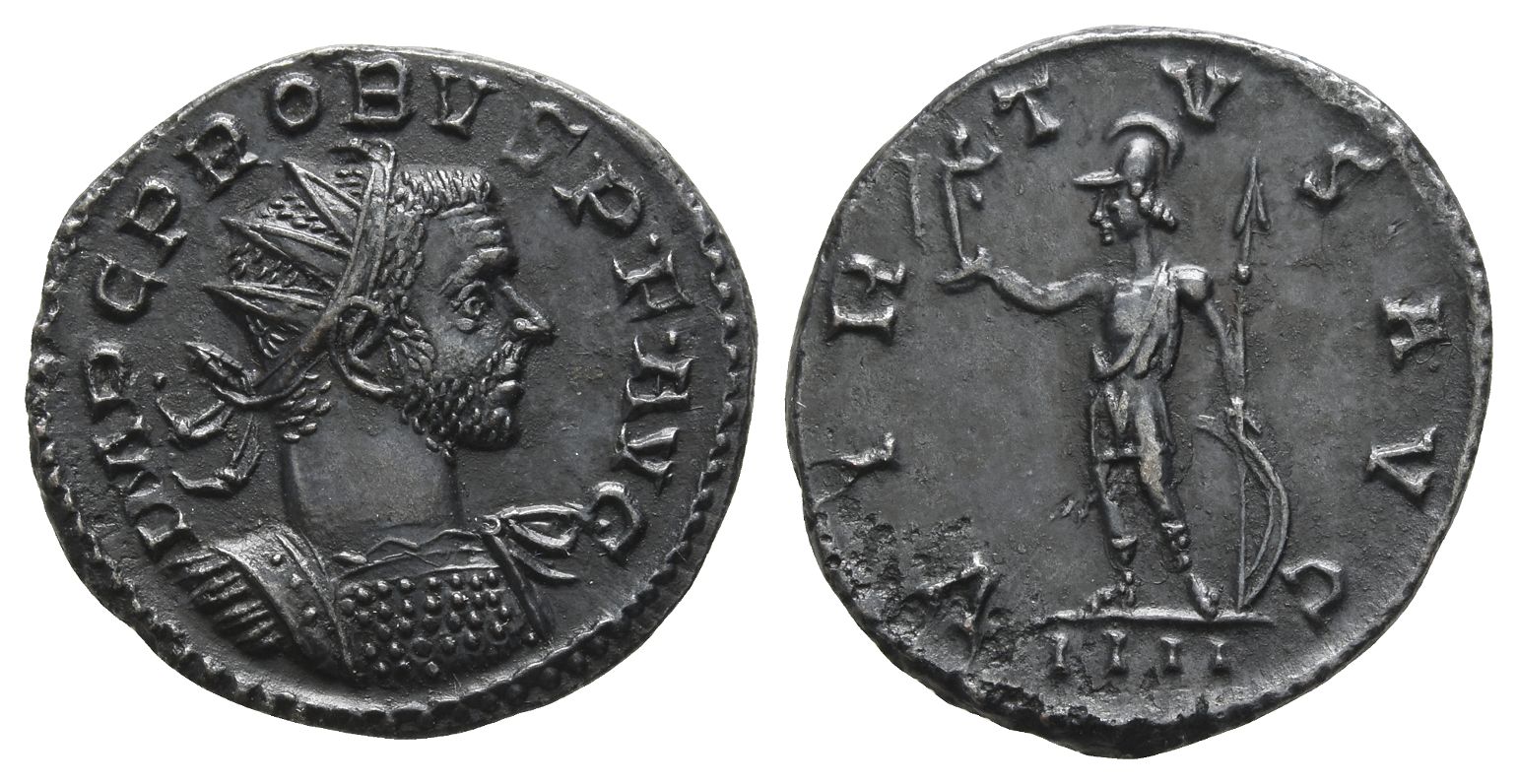
Probus BI Antoninianus. AD 276-282.
Lugdunum mint; struck AD 278-279. 4th officina. IMP C PROBVS • P • F • AVG, radiate and cuirassed bust to right / VIRTVS AVG, Roma as amazon standing facing, head to left, holding Victory and spear; shield on ground, IIII in exergue. RIC V.2 112; probuscoins.fr 158; Bastien 298. Near Extremely Fine.(4.00gr, 21mm, 8h.).
ProvenanceProperty of a Cambridgeshire, UK, gentleman.
TimeLine Auctions follows a vetting process to ensure the authenticity and legality of all items, reinforcing our commitment to integrity and responsible trading. Each antiquity, antique, and coin lot undergoes thorough examination by a vetting committee of at least ten external specialists, professional trade association members, scientists, and archaeologists: Our Vetting Process
AUCTIONS:
TimeLine is a leading auction house specialising in antiquities, ancient art, collectables, natural history, coins, medals, and books. Our auctions offer museums, collectors, historians, and enthusiasts the opportunity to acquire unique and historically significant pieces.
-
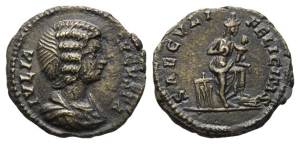
Julia Domna AR Denarius. AD 193-211.
Sold for (Inc. bp): £65
Rome mint; struck AD 196-211. IVLIA AVGVSTA, draped bust to right / SAECVLI FELICITAS, Isis, wearing polos, standing to right, resting left foot on prow, holding patera and infant Horus at breast, rudder leaning against altar behind. RIC IV 577 (Septimius); BMCRE 75 (Septimius and Caracalla); RSC 174. 2.37gr, 18mm, 6h.
Very Fine. Toned.
Ex Stocker collection, Kent, UK, 1955-early 2000s. -
![Group of Four [4] BI Roman Antoniniani.](https://timelineauctions.com/upload/images/items/small/216291-s(2).jpg)
Group of Four [4] BI Roman Antoniniani. AD 253-273.
Sold for (Inc. bp): £20
Mixed group with types of Valerian I (AD 253-260), Victorinus (AD 268-270), Claudius II Gothicus (AD 268-270), and Tetricus I (AD 270-273). 12.05gr total, 18-19mm.
Fine - Good Very Fine.
Property of an Essex, UK, collector. -
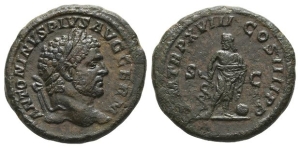
Caracalla AE As. AD 198-217.
Sold for (Inc. bp): £156
Rome mint; struck AD 215. ANTONINVS PIVS AVG GERM, laureate head to right / P M TR P XVIII COS IIII P P, Aesculapius standing facing, head to left, holding snake-entwined wand; in right field, globe set on ground; S C across fields. RIC IV 553a. 10.84gr, 27mm, 2h.
Good Very Fine. Nice dark green patina with brown highlights.
Ex German art market, 2000s. Acquired from an EU collector living in London. From the collection of a Surrey, UK, gentleman.
