
LOT 3046
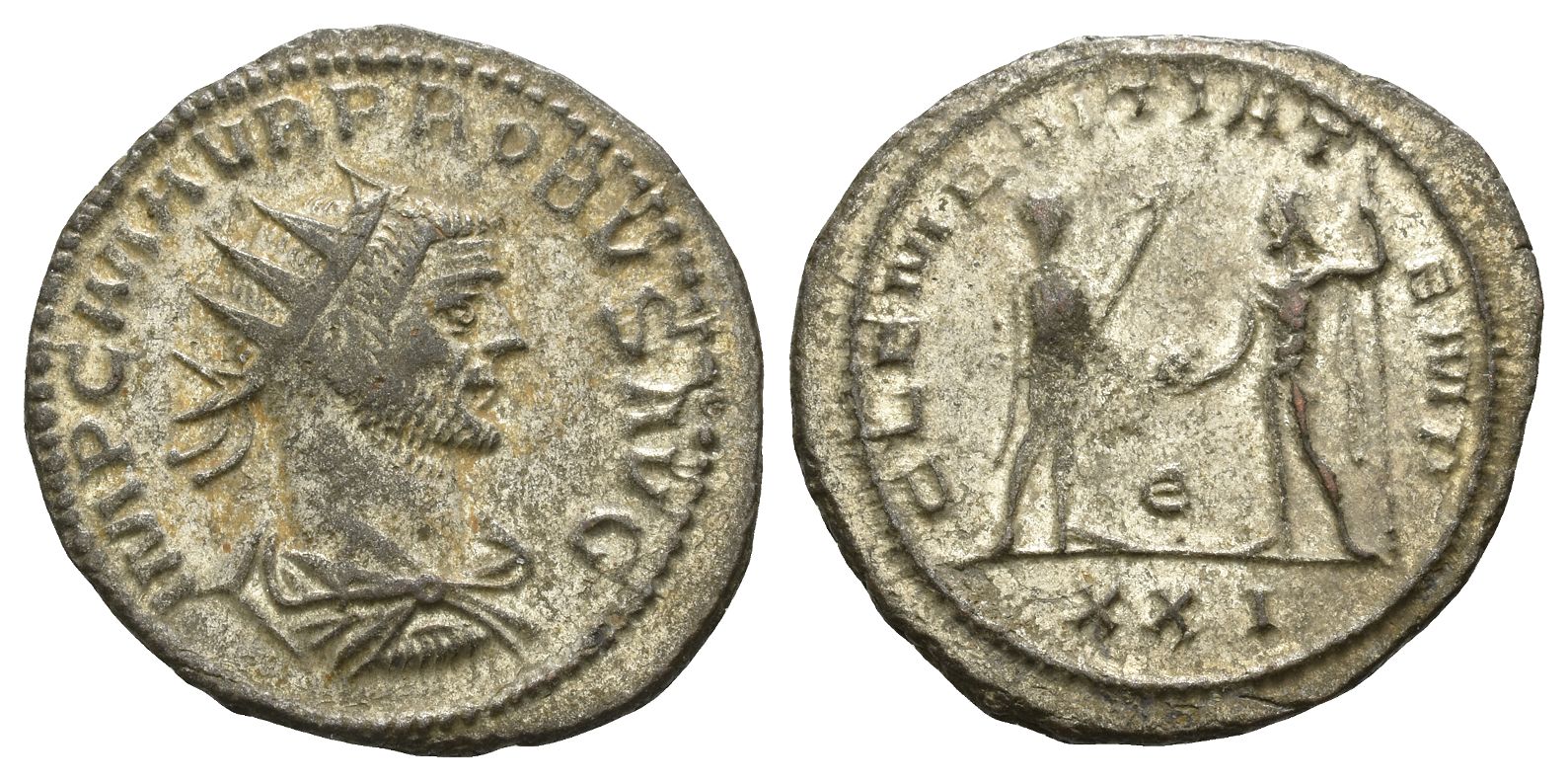
Probus BI Antoninianus. AD 276-282.
Antioch mint; struck AD 276. 5th officina. IMP C M AVR PROBVS AVG, radiate, draped and cuirassed bust to right / CLEMENTIA TEMP, emperor standing to right, holding sceptre and receiving globe from Jupiter, standing to left, holding sceptre; Є between, XXI in exergue. RIC V.2 921; probuscoins.fr 734. Good Very Fine.(3.61gr, 23mm, 5h.).
ProvenanceProperty of a Cambridgeshire, UK, gentleman.
TimeLine Auctions follows a vetting process to ensure the authenticity and legality of all items, reinforcing our commitment to integrity and responsible trading. Each antiquity, antique, and coin lot undergoes thorough examination by a vetting committee of at least ten external specialists, professional trade association members, scientists, and archaeologists: Our Vetting Process
AUCTIONS:
TimeLine is a leading auction house specialising in antiquities, ancient art, collectables, natural history, coins, medals, and books. Our auctions offer museums, collectors, historians, and enthusiasts the opportunity to acquire unique and historically significant pieces.
-
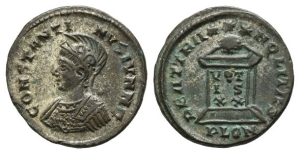
Constantine II, as Caesar, BI Nummus. AD 316-337.
Sold for (Inc. bp): £33
London mint; struck AD 323-324. 1st officina. CONSTANTINVS IVN N C, helmetted and cuirassed bust to left / BEAT TRANQLITAS, banded globe set on altar inscribed VOTIS XX in three lines; three stars above, PLON in exergue. RIC VII 287; C&T 9.05.039; RML 1055. 3.08gr, 19mm, 7h.
Extremely Fine. Much original silvering remaining.
Ex Langtoft Hoard; Property of a private Norwich, UK, collector. -
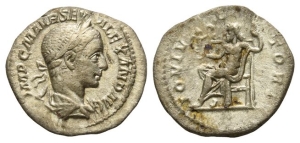
Severus Alexander AR Denarius. AD 222-235.
Sold for (Inc. bp): £33
Rome mint; struck AD 222-228. IMP C M AVR SEV ALEXAND AVG, laureate and draped bust to right / IOVI VLTORI, Jupiter seated to left, holding Victory, crowning him with wreath, in his right hand and sceptre (or inversed spear) in his left. RIC IV 144; BMCRE 233; RSC 95. 2.34gr, 19mm, 12h.
Near Very Fine. Some hard green deposits on both sides.
From a private Barnsley, UK, family collection. -
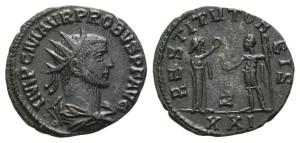
Probus BI Antoninianus. AD 276-282.
Sold for (Inc. bp): £33
Antioch mint; struck AD 281. 7th officina. IMP C M AVR PROBVS P F AVG, radiate, draped and cuirassed bust to right / RESTITVT ORBIS, female figure standing to right, presenting wreath to emperor standing to left, holding globe and sceptre; Z between, XXI in exergue. RIC V.2 925; Cohen 509; probuscoins.fr 738. 2.69gr, 20mm, 6h.
Good Very Fine.
Property of a Cambridgeshire, UK, gentleman.
