
Loading, please wait...
LOT 2602
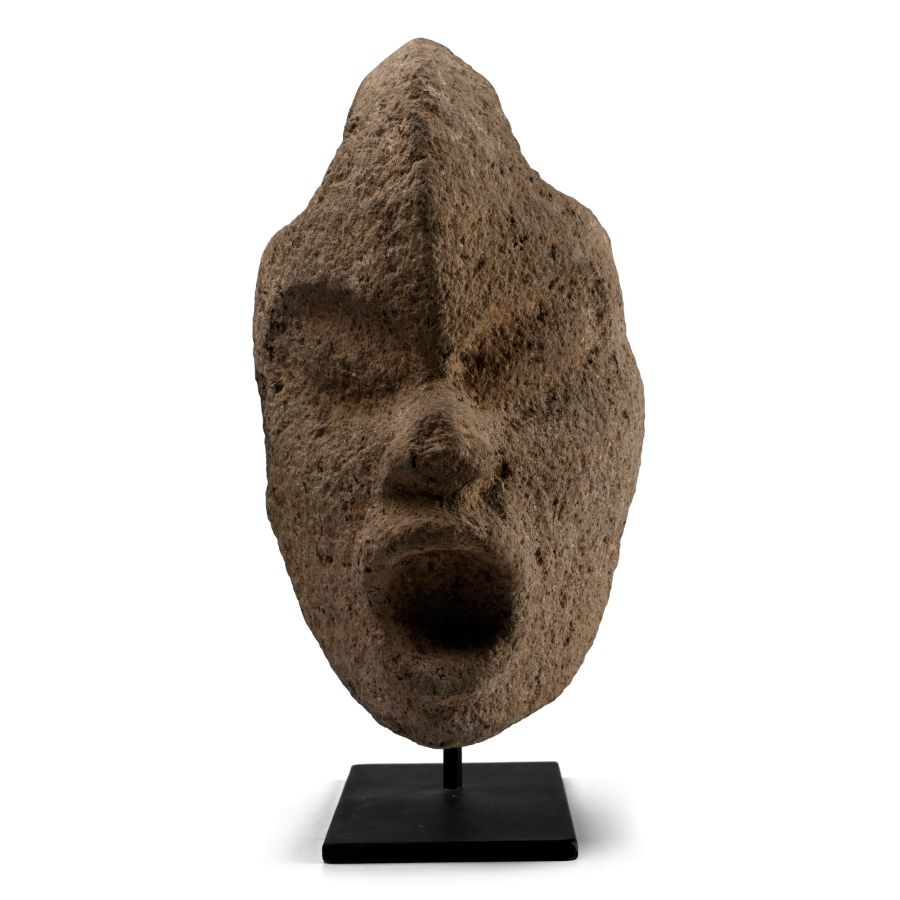
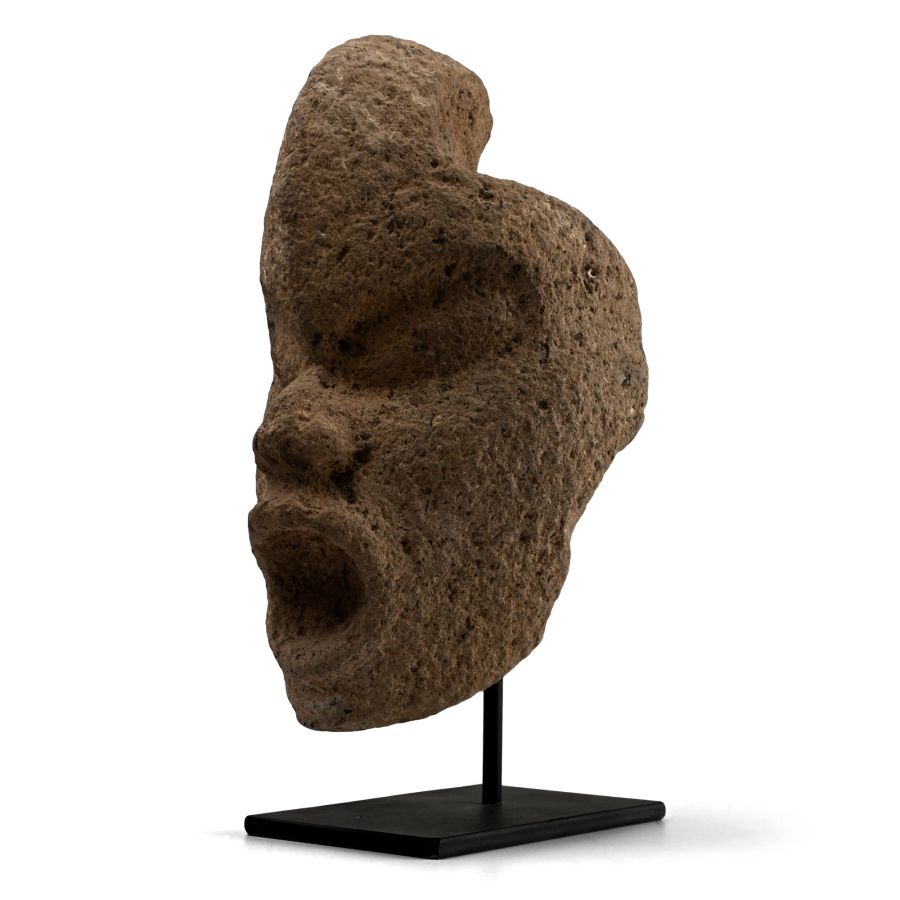
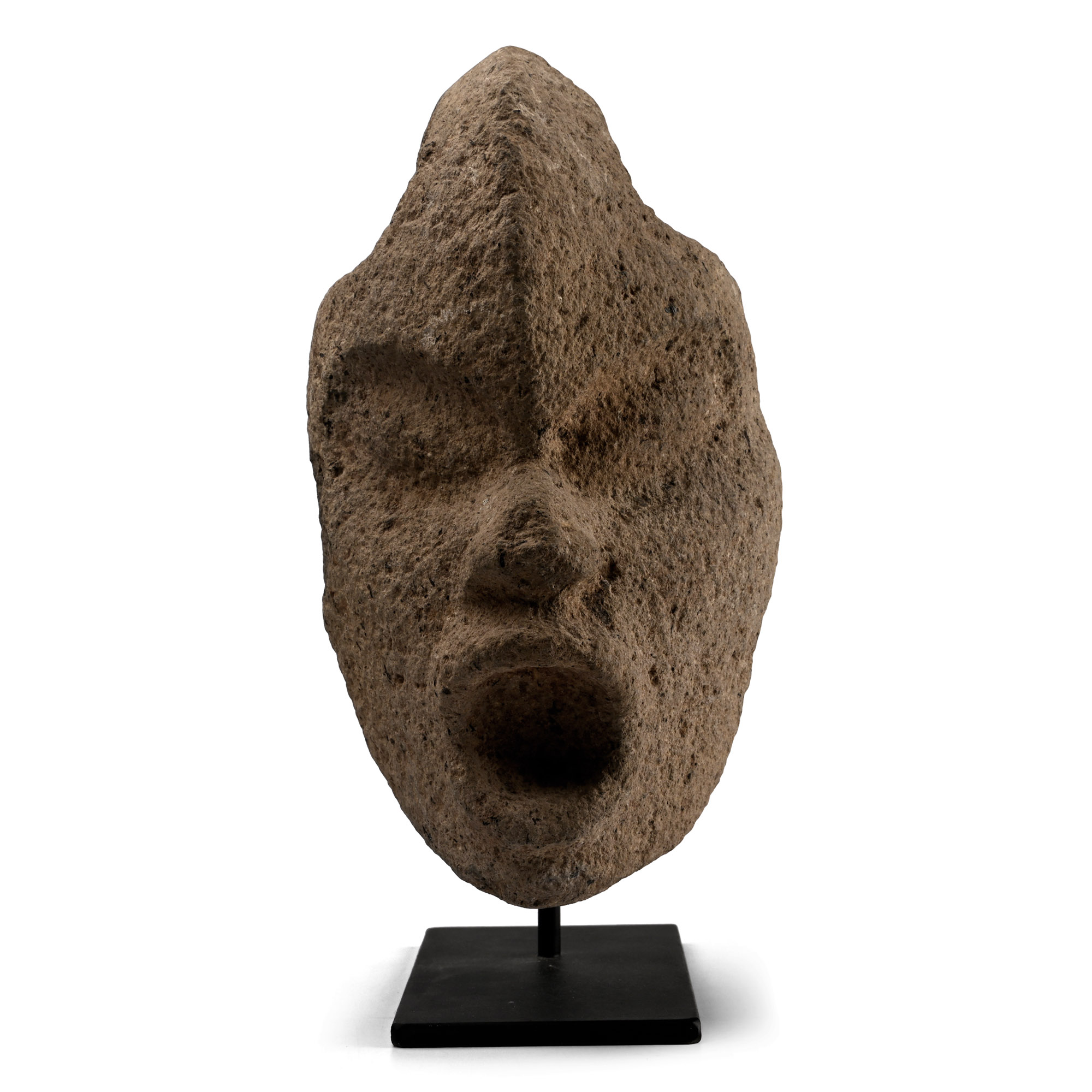
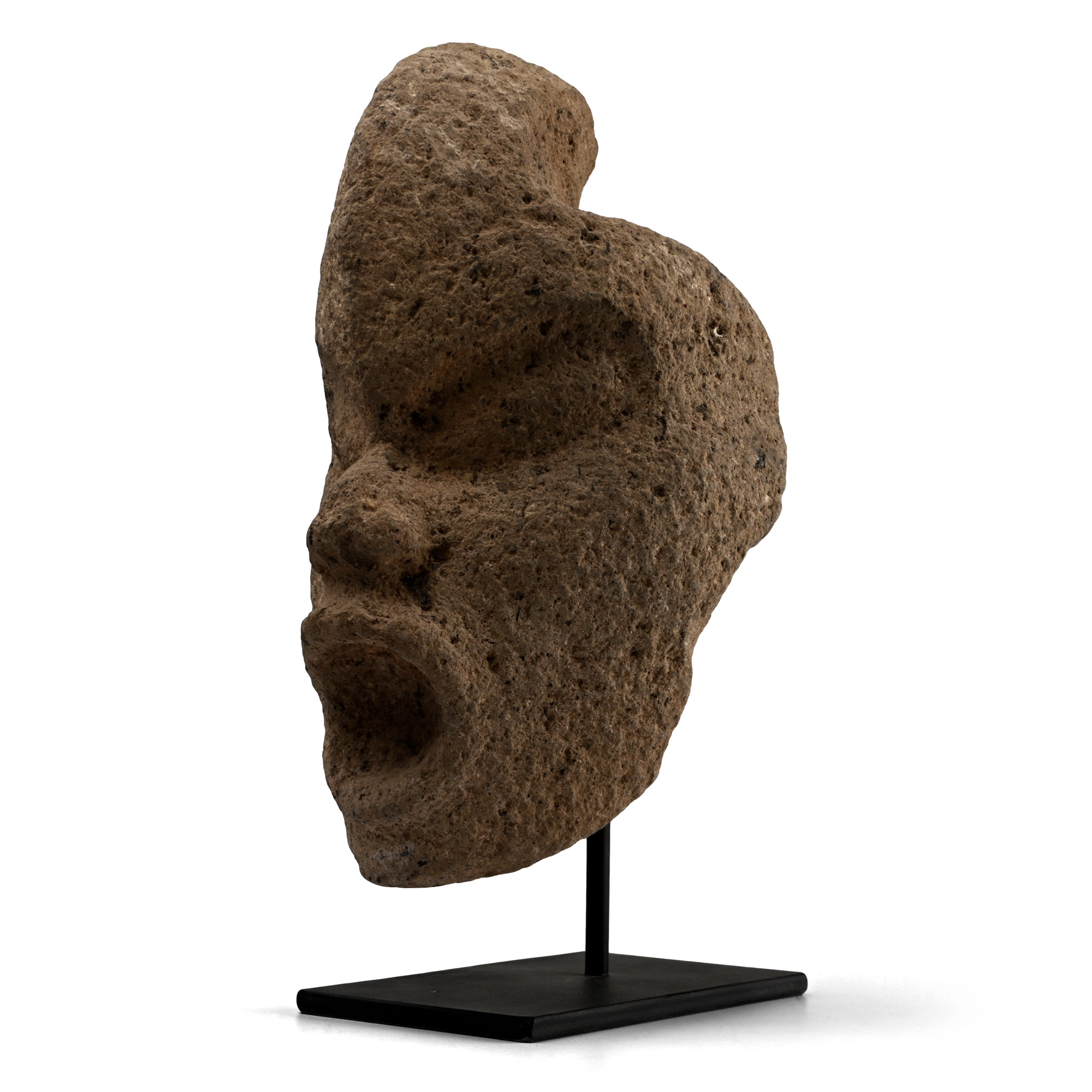
Pre-Columbian Veracruz Stone Hacha in the Form of Xipe Totec Deity
MEXICO, 5TH-7TH CENTURY A.D.
9 3/4 in. (3.21 kg total, 24.7 cm high).
Carved stone hacha of a lifelike anthropomorphic head with prominent ovoid eyes slanted inward; open, fish-like mouth and broad, rounded nose beneath a backward-sweeping crest; mounted on a custom-made stand.
ProvenanceArthur and Lillian Weiss collection, New England, USA, 1970s.
Saint Petersburg collection, Florida, USA.
with Artemis Gallery, Colorado, USA, 2 May 2021.
Private collection, London, UK.
This lot is accompanied by an illustrated lot declaration signed by the Head of the Antiquities Department, Dr Raffaele D'Amato.
The image of Xipe Totec, deity of spring and rebirth was strongly adopted in Veracruz through the classic period. The deity is often displayed wearing the skin of a sacrificial victim with mouth open.
CONDITIONTimeLine Auctions follows a vetting process to ensure the authenticity and legality of all items, reinforcing our commitment to integrity and responsible trading. Each antiquity, antique, and coin lot undergoes thorough examination by a vetting committee of at least ten external specialists, professional trade association members, scientists, and archaeologists: Our Vetting Process
AUCTIONS:
TimeLine is a leading auction house specialising in antiquities, ancient art, collectables, natural history, coins, medals, and books. Our auctions offer museums, collectors, historians, and enthusiasts the opportunity to acquire unique and historically significant pieces.
LOT 2602
Pre-Columbian Veracruz Stone Hacha in the Form of Xipe Totec Deity
Estimate £1,000 - 1,400€1,160 - 1,620 (for guidance only)$1,350 - 1,890 (for guidance only)
-
Pre-Columbian Inca Artefact Collection
15th-16th century A.D.Sold for (Inc. bp): £52
Mixed group including an embroidered textile fragments, and tassel with decorative band. 29 grams total, 18.5-44 cm
Acquired in the 1940s-1950s. Ex Hiller collection; thence by descent. This lot is accompanied by an illustrated lot declaration signed by the Head of the Antiquities Department, Dr Raffaele D'Amato. -
Pre-Columbian Olmec Stone Mask
1st millennium B.C. or laterSold for (Inc. bp): £1,235
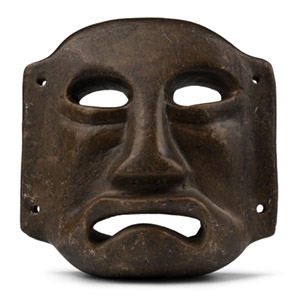
Carved with voids to the open mouth and eyes, four lateral attachment points. 426 grams, 11.1 cm
Acquired on the UK art market in the early 2000s. This lot is accompanied by an illustrated lot declaration signed by the Head of the Antiquities Department, Dr Raffaele D'Amato. -
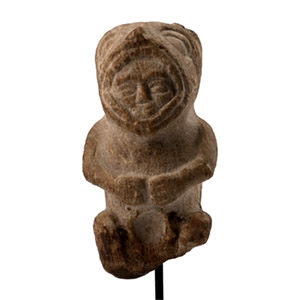
Aztec Stone Seated Figure
Mexico, 1400-1500 A.D.Sold for (Inc. bp): £1,690
Carved seated figure wearing jaguar-skin cowl shown with hands resting above the abdomen with recess to accept a sacred object; mounted on a custom-made stand. 288 grams, 97 mm (436 grams total, 13 cm including stand)
with Sotheby's, Parke Bernet, 31 May 1975, no.292. Private collection, London, UK. This lot is accompanied by an illustrated lot declaration signed by the Head of the Antiquities Department, Dr Raffaele D'Amato.
The jaguar-skin cowl is an emblem of power and shamanic transformation in Mesoamerican cultures and was particularly adopted by the Aztec civilization to harness the power of the predator. This piece shows an interesting patina of lines and wear, possibly from exposure to water from ancient times.
