
LOT 3683
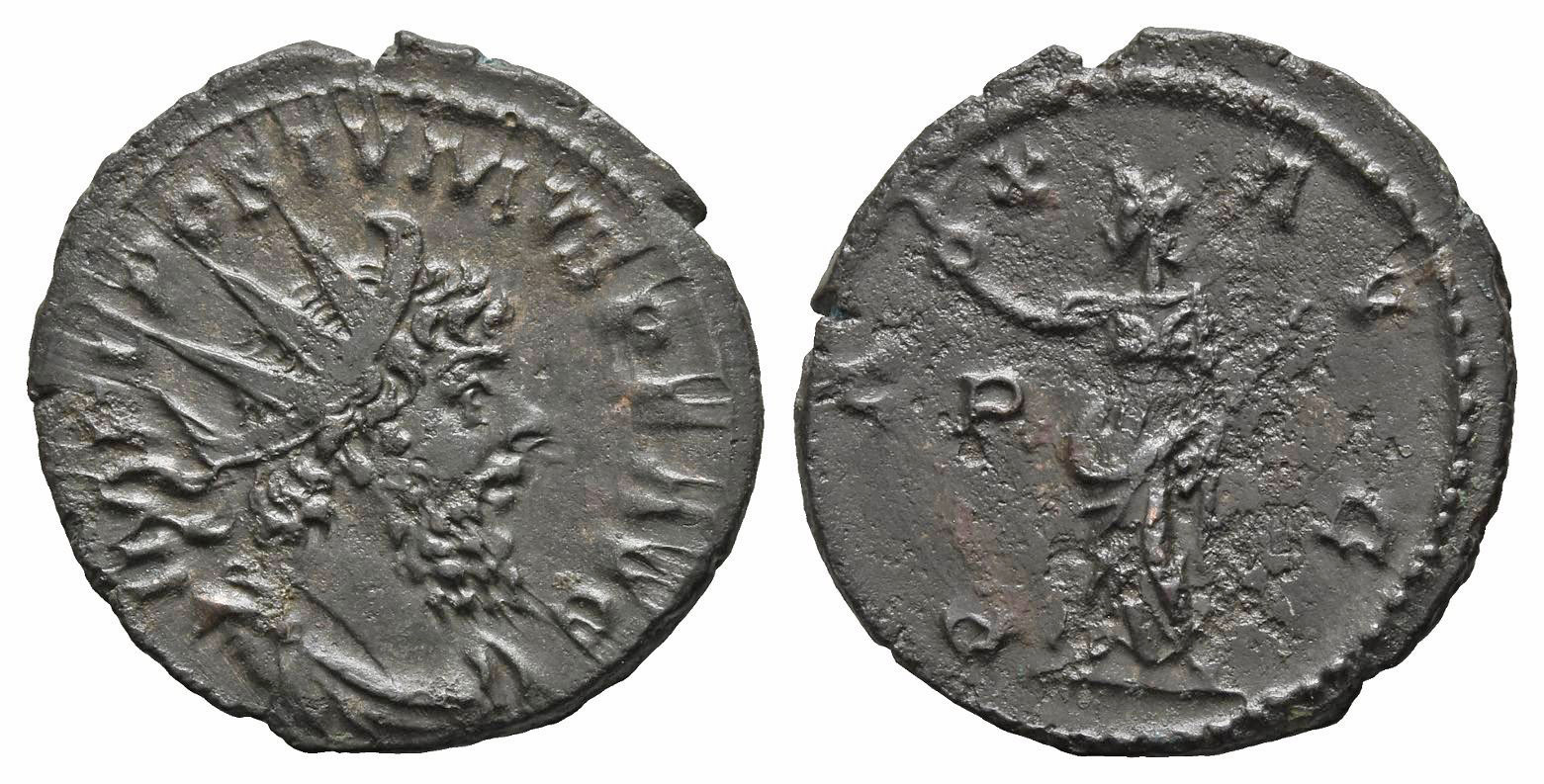
Postumus, Romano-Gallic Emperor AR Antoninianus. Struck AD 268. Treveri mint. 1st officina.
IMP C POSTVMVS P F AVG, radiate, draped and cuirassed bust to right / PAX AVG, Pax standing to left, holding olive branch with right and transverse sceptre with left hand; P in left field. RIC V.2 318 (Colonia Agrippensis); RSC 215b (same). Very Fine.(2.64gr, 20mm, 1h.).
ProvenanceProperty of a Cambridgeshire, UK, gentleman.
TimeLine Auctions follows a vetting process to ensure the authenticity and legality of all items, reinforcing our commitment to integrity and responsible trading. Each antiquity, antique, and coin lot undergoes thorough examination by a vetting committee of at least ten external specialists, professional trade association members, scientists, and archaeologists: Our Vetting Process
AUCTIONS:
TimeLine is a leading auction house specialising in antiquities, ancient art, collectables, natural history, coins, medals, and books. Our auctions offer museums, collectors, historians, and enthusiasts the opportunity to acquire unique and historically significant pieces.
-
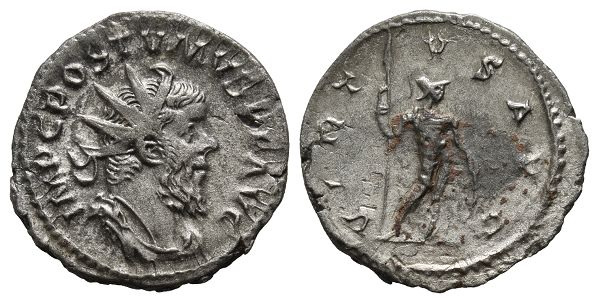
Postumus, Romano-Gallic Emperor AR Antoninianus. Struck mid AD 262-mid AD 263. Treveri mint.
Sold for (Inc. bp): £33
IMP C POSTVMVS P F AVG, radiate, draped and cuirassed bust to right / VIRTVS AVG, Mars, helmeted, standing to right, holding long spear in right hand and grounded shield in left. RIC V 93; RIC V.4 207; AGK 102; Cunetio 2400; Elmer 190. 3.29gr, 23mm, 12h.
Very Fine.
Property of a Cambridgeshire, UK, gentleman. -
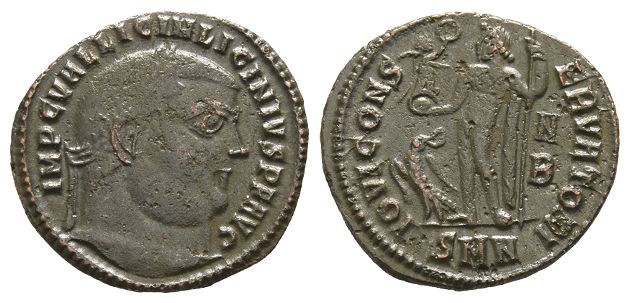
Licinius I BI Nummus. AD 313-317. Nicomedia mint. 2nd officina.
Sold for (Inc. bp): £20
IMP C VAL LICIN LICINIVS P F AVG, laureate head to right / IOVI CONSERVATORI, Jupiter standing facing, head to left, holding Victory on globe and leaning on sceptre, eagle to left at feet, head reverted, holding wreath; N over B in right field, SMN in exergue. RIC VII 15. 3.42gr, 22mm, 2h.
Very Fine. Rare.
From the collection of a gentleman, acquired on the London art market in the 1990s. -
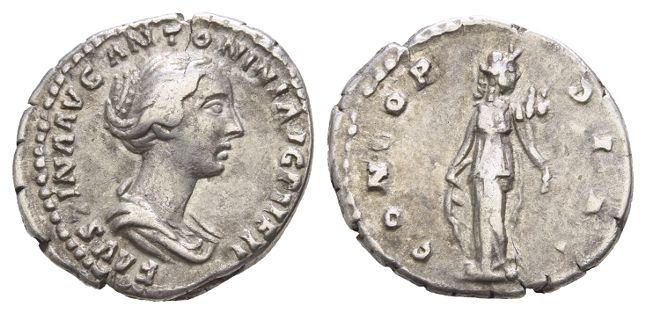
Faustina II AR Denarius. AD 149-152. Rome mint.
Sold for (Inc. bp): £78
FAVSTINA AVG ANTONINI AVG PII FIL, draped bust to right / CONCORDIA, Concordia standing facing, head to right, holding cornucopia and raising skirt. RIC III 500b (Pius); BMCRE 1078 (Pius); RSC 44. 3.19gr, 19mm, 7h.
Very Fine.
Acquired on the UK art market. Property of an Essex, UK, gentleman.
