
Loading, please wait...
LOT 1364
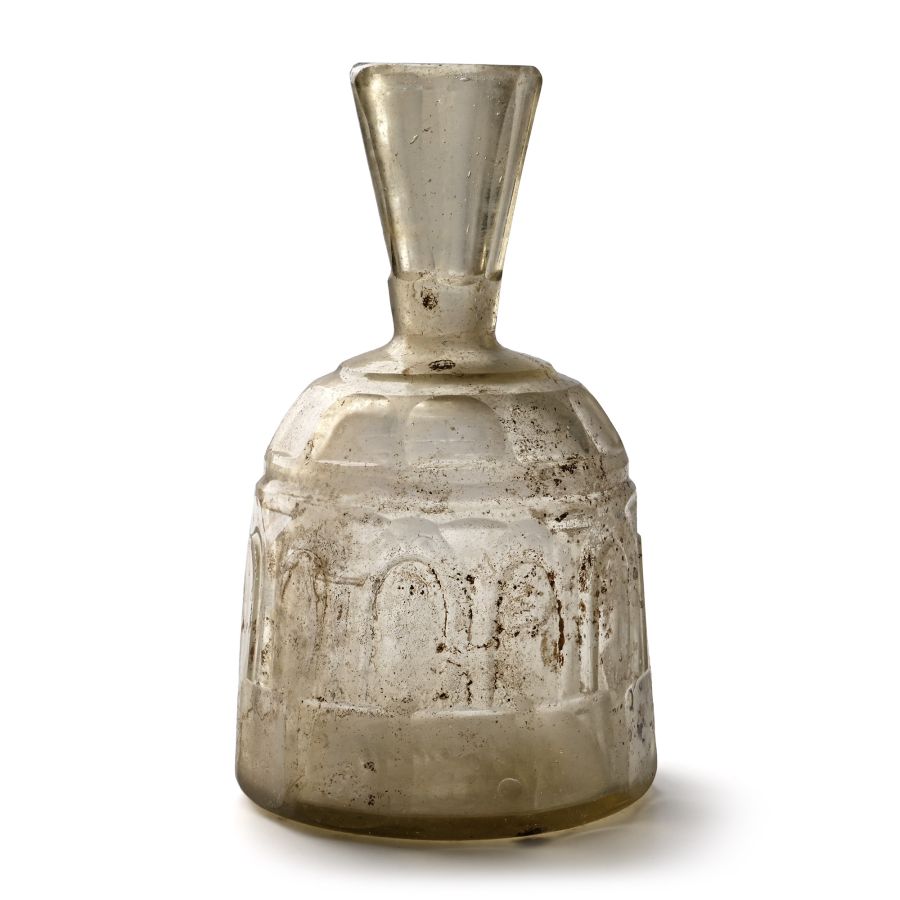
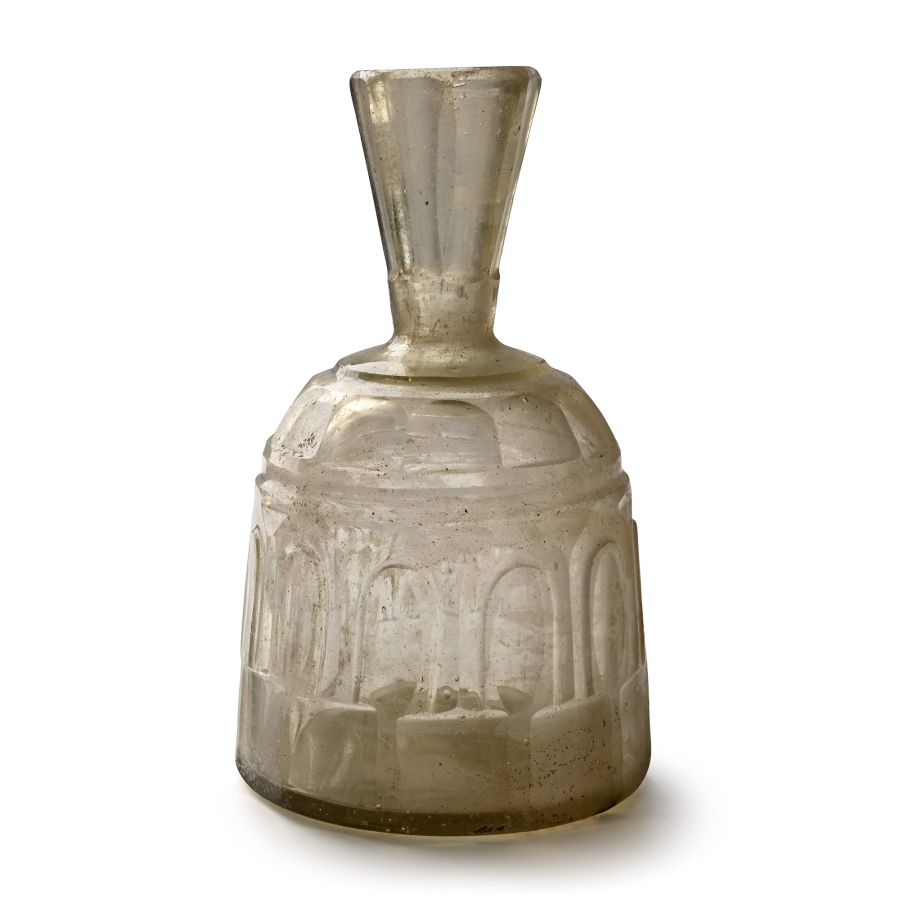
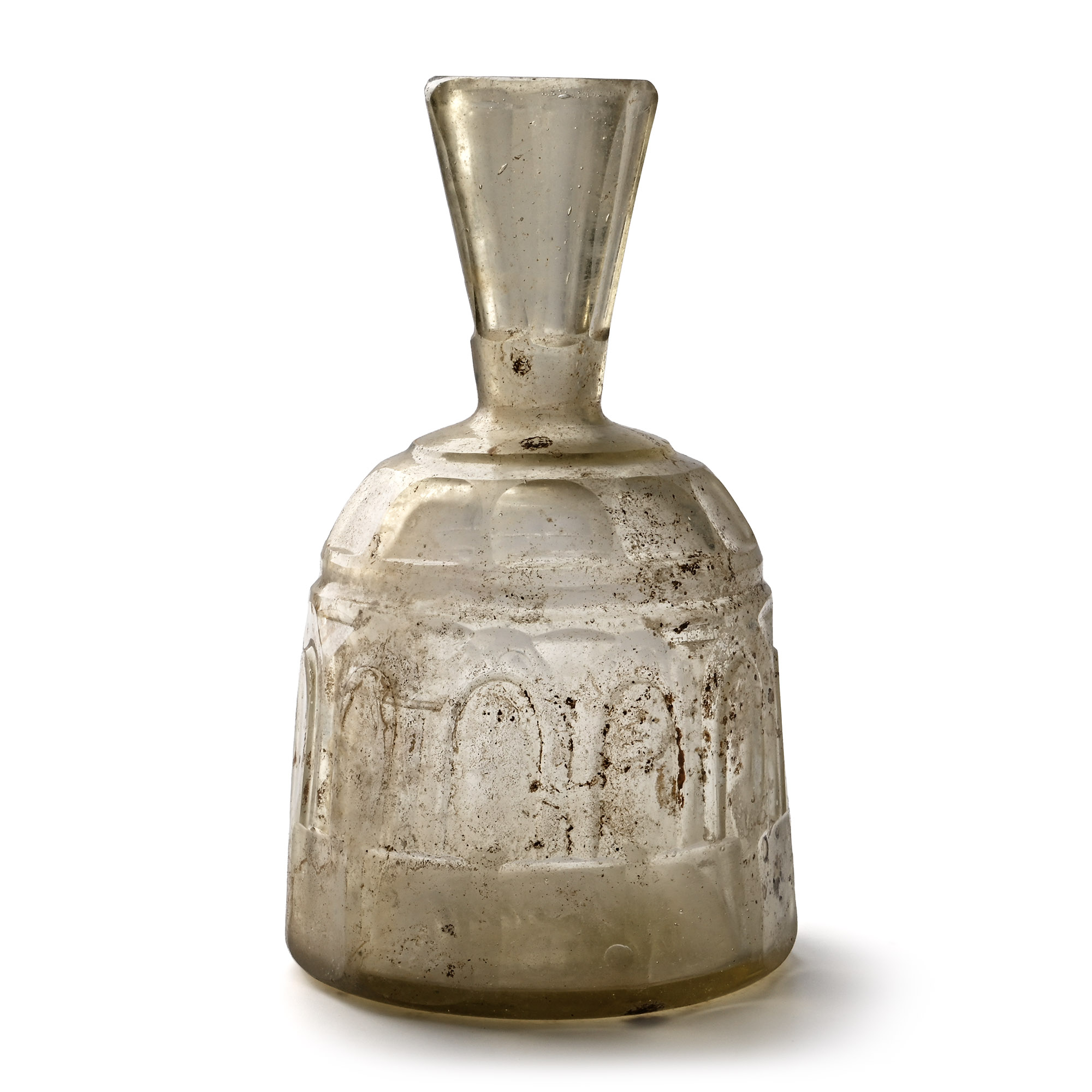
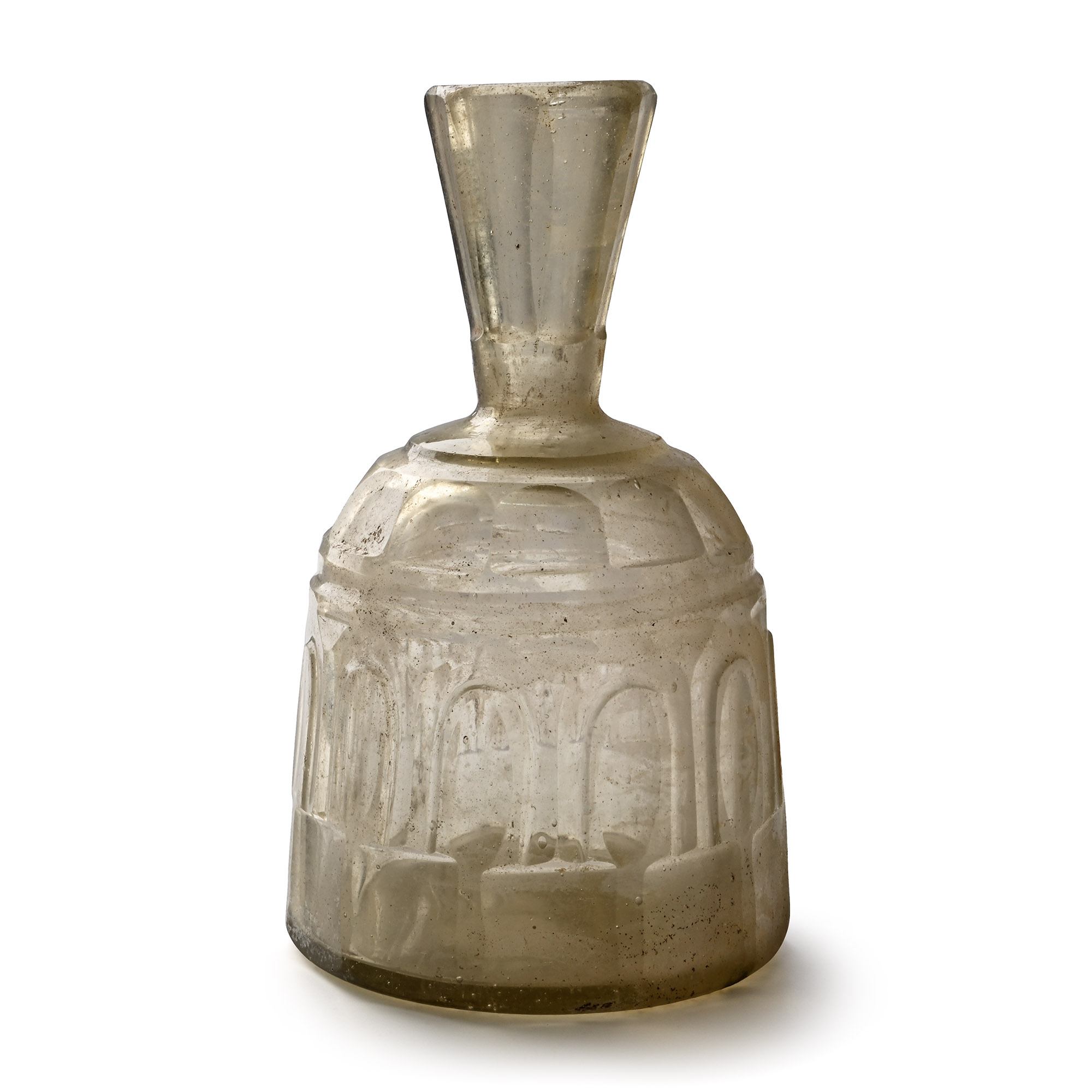
Post-Sasanian Cut Glass Vase
CIRCA 9TH-10TH CENTURY A.D. OR LATER
5 1/2 in. (222 grams, 14 cm).
Trumpet-shaped neck with facets to the outer face, broad shoulder and gently flared body with wheel-cut arcading to the sidewall; supplied in a custom-made display box.
ProvenancePrivate collection, UK.
LiteratureCf. Carboni, S. and Whitehouse, D., Glass of the Sultans: Twelve Centuries of Islamic Masterworks, New York, 2001, item 72, for type; cf. Kunstmuseum Luzern, 3000 Jahre Glaskunst, Luzern, 1981, p.135, no.594.
FootnotesThe vessel belongs to the category of glass items with cut decoration. Usually, the neck of these vessels presents seven sides, the shoulder nine or eleven, between horizontal grooves. Arcade-like motifs adorn the body. The body presents nine, ten or eleven sides above the base.
CONDITIONTimeLine Auctions follows a vetting process to ensure the authenticity and legality of all items, reinforcing our commitment to integrity and responsible trading. Each antiquity, antique, and coin lot undergoes thorough examination by a vetting committee of at least ten external specialists, professional trade association members, scientists, and archaeologists: Our Vetting Process
AUCTIONS:
TimeLine is a leading auction house specialising in antiquities, ancient art, collectables, natural history, coins, medals, and books. Our auctions offer museums, collectors, historians, and enthusiasts the opportunity to acquire unique and historically significant pieces.
-
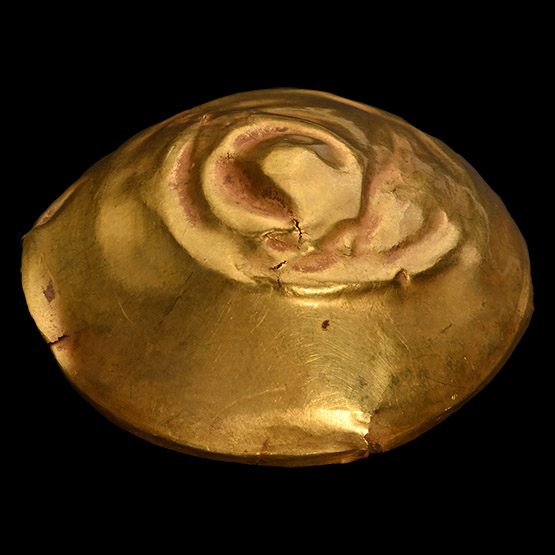
Western Asiatic Gold Breast Cover
3rd-2nd millennium B.C.Estimate: £800 - 1,000 (+bp*)
Opening Bid: £400
Sheet-gold dome with repoussé concentric ring detailing, inturned rim. 7.44 grams, 49 mm
Acquired before 1983. Ex London gallery, 1990s. Private collection, London, UK. -
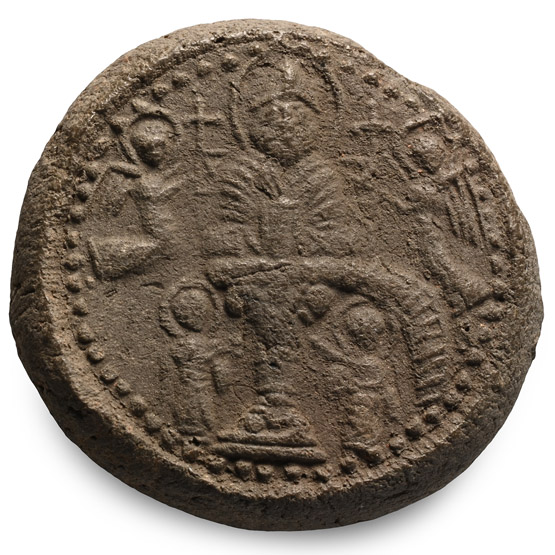
Simon Stylite Terracotta Pilgrim's Token
6th-8th century A.D.Estimate: £200 - 300 (+bp*)
Opening Bid: £100
Plano-convex in section with impressed design of a nimbate figure crouching atop a column, flanked by levitating angels and standing nimbate figures, all within a pelleted border. 11.9 grams, 32 mm
Ex important Christian collection, 1970s. -
.jpg)
Early Dynastic Terracotta Administrative Cuneiform Tablet Recording Livestock and their Owners
IIIb, 2400-2340 B.C.Estimate: £18,000 - 24,000 (‡+bp*)
Opening Bid: £10,000
Pillow-shaped tablet with dense cuneiform text to two broad faces and one edge, concerning the listing of 146 sheep and their owners or shepherds:
202 grams, 78 mmColumn I Column II Column III 5 sheep, Pirigni, Kor 2?
6 male sheep, Ur-ur of Umma
3 sheep, Zag-mu, ki ni mu zu
5 sheep, x x-gi
4 male sheep …
Ur-Ishkur, herder of Abdu
4 sheep, Urgu (of) E-RU
2 … , herder IL, scribe
3 Gimni, herder chief galla-official
5 male sheep, Ur-lu, ..
2 sheep Lu-ra, herder…
…, herder
2 male sheep, Akadu, son of Lugal-sanga
2 Shesh-zimu
3 Zagmu,
Akadu
2 Ekalsi
1 Gimdu, son of Ekal
2 Mashda
1 … Guzi…
2 …kam … NA
Column IV Reverse Column V Column VI 2 Ur-…dua
6 Zagmu, herder of Mesanne
1 Urtul
3 GISH.MI, herder of Ilum-su?ni
4 Lugal-shalasu
Adda, singer?
5 Almu
2 Ur-Ezida
IGI MI ZI SI
3 Lueshla
2 Ur-… NE-RA
8 Azuzu
2 Adda, captain
1 En…du, nuesh-officiant
3 Sheshpadda, overseer
2 … ki-bi
…
…
6 E…
1 Ur…
…
1 Ur …
1 …
3 Dingir-urmu
1 Pirigni
Da…
1 Ur-Ninshaza, wife of U-u
4 Lugallu, herder of Lugalla…, majordomo
5 …igi-en …
1 Lugal-E…nisi
Column VII Column VIII Total 4 E-gish MI bi?, .., farmer
1 Ur-dingir, …si-TExESZ3
1 …
1 Lugal-nuduga
1 Aba-Enlil
1 Lugal …
2 Urmes
1 Urdam
1 Akadu, Adda…
1 U-u, …
Umunene
2 … -niE-u?
(space)
Its total: 146 sheep,
…
Pirigni (is) kush-official.
with Laemmle Gallery, San Vicente Boulevard, Los Angeles, USA. Acquired from the above in the early 1970s. with Bonhams, London, 13 April 2011, no.133. Private central European collection. Accompanied by copies of the relevant Bonhams catalogue pages. Accompanied by a copy of the translation for this tablet. This lot has been checked against the Interpol Database of stolen works of art and is accompanied by a search certificate number no.12121-218147.
