
Loading, please wait...
LOT 2079
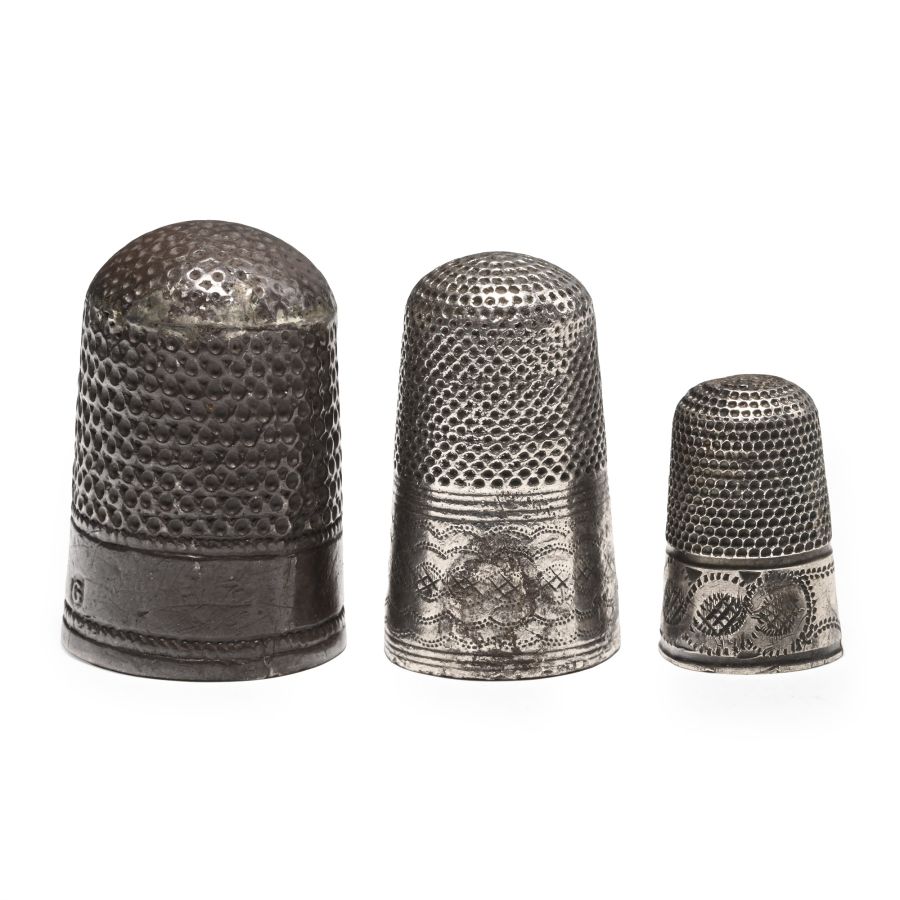
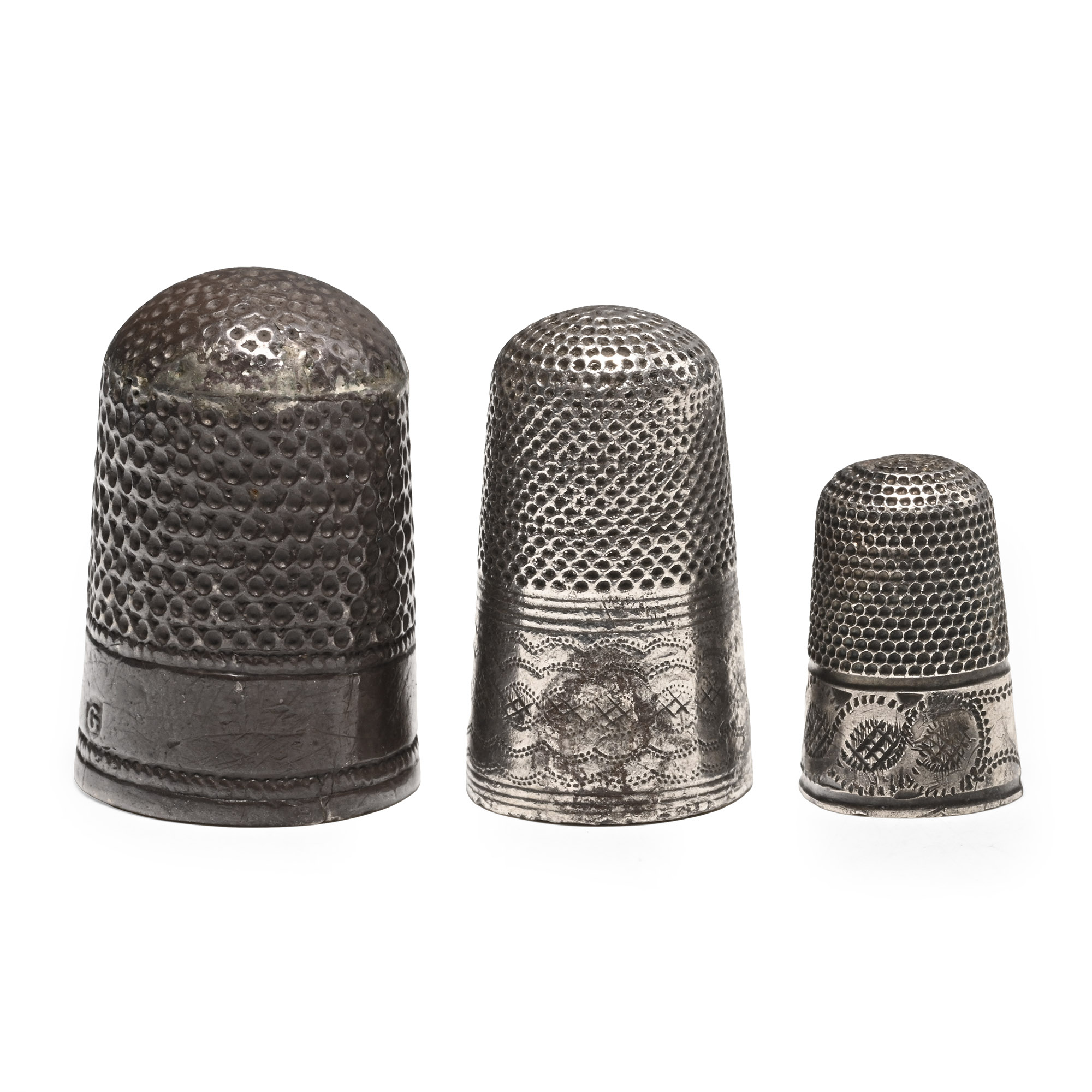
Post Medieval Silver Thimble Group
CIRCA 18TH-19TH CENTURY A.D.
5/8 - 1 in. (11.15 grams total, 16-26 mm).
Comprising three thimbles: the largest with a plain band stamped with 'G' and engraved with initials '*D*I*'; the second largest with a decorative band on the lower edge with a plain shield; the smallest with a decorative band to the lower edge resembling pinecones, and a plain shield. [3, No Reserve]
ProvenanceAcquired on the UK art market.
Property of a Lancashire, UK, collector.
TimeLine Auctions follows a vetting process to ensure the authenticity and legality of all items, reinforcing our commitment to integrity and responsible trading. Each antiquity, antique, and coin lot undergoes thorough examination by a vetting committee of at least ten external specialists, professional trade association members, scientists, and archaeologists: Our Vetting Process
AUCTIONS:
TimeLine is a leading auction house specialising in antiquities, ancient art, collectables, natural history, coins, medals, and books. Our auctions offer museums, collectors, historians, and enthusiasts the opportunity to acquire unique and historically significant pieces.
-
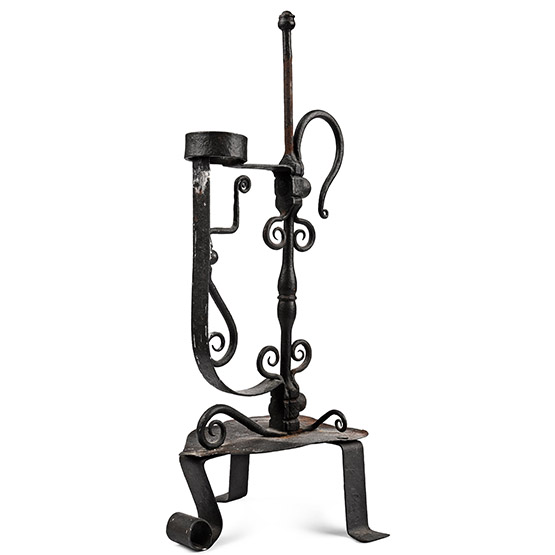
Iron Candle Holder
France, 18th century A.D.Sold for (Inc. bp): £286
The central baluster knopped column with scrolling ornament and looped carrying handle above a trefoil-shaped platform and rivetted tripod feet. 1.21 kg, 44 cm
Ex Nic McElhatton, former chairman of Christie's South Kensington. Property of a Berkshire, UK, collector. Accompanied by a copy of McElhatton's cataloguing page. -
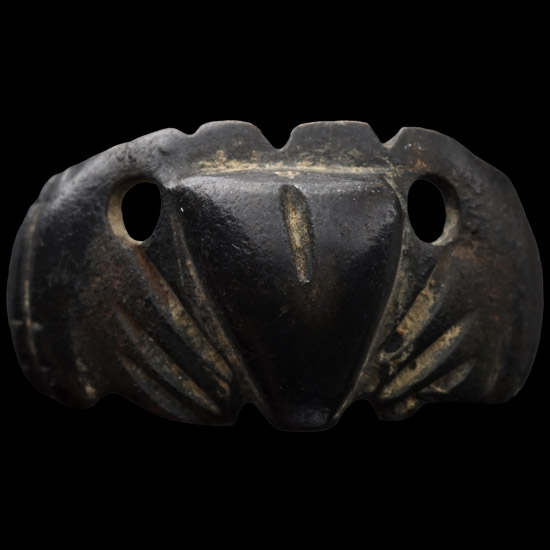
Stuart Period Bronze Hands Holding Heart Ring
17th century A.D.Sold for (Inc. bp): £111
Claddagh ring with a tapering hoop, the bezel with two hands holding a raised heart. 3.71 grams, 21.00 mm overall, 16.15 mm internal diameter (approximate size British K, USA 5 1/4, Europe 9.95, Japan 9)
From the private collection of Graham Slater (1927-2024), Cambridge, UK; formed 1980s-1990s. -
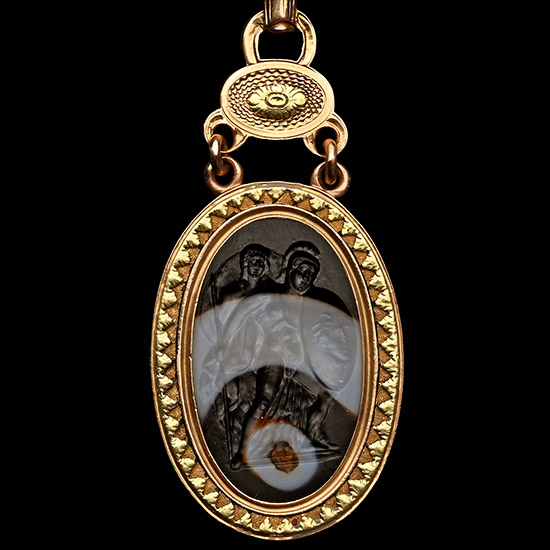
Banded Agate Intaglio Depicting Perseus and Andromeda in Gold Pendant
Italy, 17th-18th century A.D.Estimate: £4,000 - 6,000 (+bp*)
Current Winning Bid: £2,000
Translucent intaglio featuring a dynamic mythological scene of Perseus rescuing Princess Andromeda; Perseus depicted nude and wearing a crested helmet, holding a round shield with a Medusa mask in his hand and a spear in the other, Andromeda standing behind him and dressed in long flowing robes; set in an elaborate late 18th-century English gold frame; supplied with a museum-quality impression. 13.64 grams, 61 mm
Acquired on the European art market. This lot has been checked against the Interpol Database of stolen works of art and is accompanied by search certificate number no.13343-257990.
Andromeda was the daughter of the Aethiopian king Cepheus and Cassiopeia. According to the legend, Cassiopeia angered Neptune by claiming that her daughter was more beautiful than the nereids, and Neptune, in revenge, sent a monster to ravage the coast. Told that the only way to save their country is to sacrifice their daughter to the creature, Andromeda’s parents chained her to a rock by the sea. The demigod Perseus, son of Jupiter, killed the sea monster by petrifying it with the head of Medusa and rescued Andromeda.
