
Loading, please wait...
LOT 1822
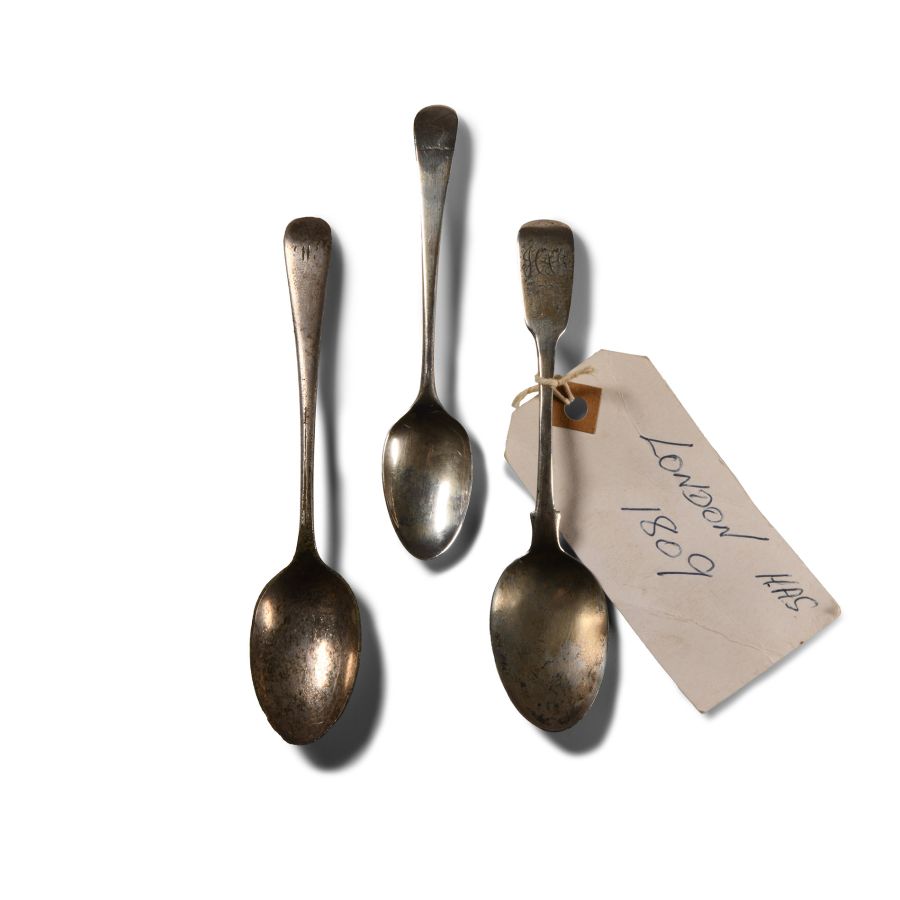
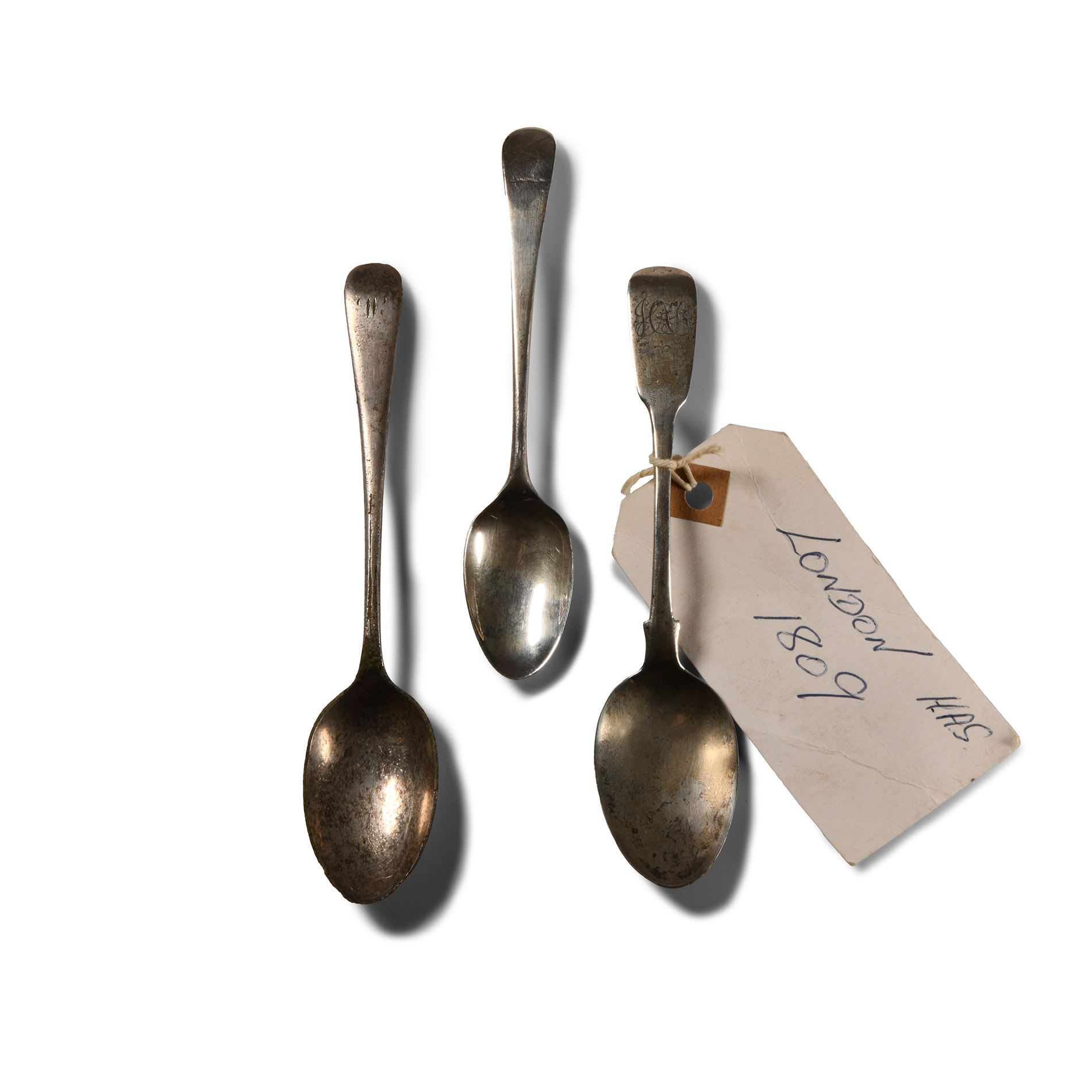
Post Medieval Silver Spoon Group
CIRCA 19TH CENTURY A.D.
5 1/8- 5 3/4 in. (57 grams total, 13-14.5 cm).
Two silver spoons; one assayed for London, 1809 with elaborate initials to finial; one without assay but probably London 1824, engraved with the head of a bird holding a flag in its beak; plus one Victorian EPNS with initial W to finial. [3, No Reserve]
ProvenanceFound Berkshire, UK.
CONDITIONTimeLine Auctions follows a vetting process to ensure the authenticity and legality of all items, reinforcing our commitment to integrity and responsible trading. Each antiquity, antique, and coin lot undergoes thorough examination by a vetting committee of at least ten external specialists, professional trade association members, scientists, and archaeologists: Our Vetting Process
AUCTIONS:
TimeLine is a leading auction house specialising in antiquities, ancient art, collectables, natural history, coins, medals, and books. Our auctions offer museums, collectors, historians, and enthusiasts the opportunity to acquire unique and historically significant pieces.
-

Rock Crystal Fish
20th century A.D.Sold for (Inc. bp): £26
Carved in the half-round with a stylised silhouette, hatched scale and dashed fin detailing, puffy cheek and a small eye. 17 grams, 49 mm
London collection since the 1980s. Property of a Canadian family. -
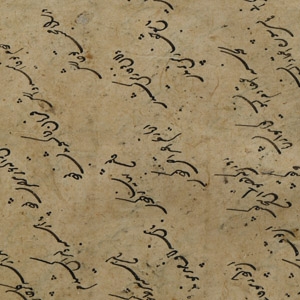
Framed Watercolour Painting
Persia, 19th century A.D.Sold for (Inc. bp): £91
With watercolour border populated with stylised polychrome leaves; mounted in a reveal and a glazed wooden frame. 942 grams, 41 x 32.5 cm
Fine condition.
Acquired on the UK art market, 1980s-1990s. The Woodbridge collection of Indo-Persian art. -

Victorian Brass Lady's Skirt Lifter
Late 19th century A.D.Sold for (Inc. bp): £85
The Eureka brass skirt lifter, fitted with a quick release mechanism, by H. Knight and Co, with the design registered in 1877 and bearing the UK Registration Mark. 36.5 grams, 94 mm
From an old English collection formed before 2000. Acquired on the UK art market.
This item would have been fastened to the hem of a long skirt and linked to the waist; the wearer would use it to discreetly hold her dress hem clear of the ground to keep her dress clean, especially when climbing stairs or entering/leaving a carriage.
