
Loading, please wait...
LOT 1416
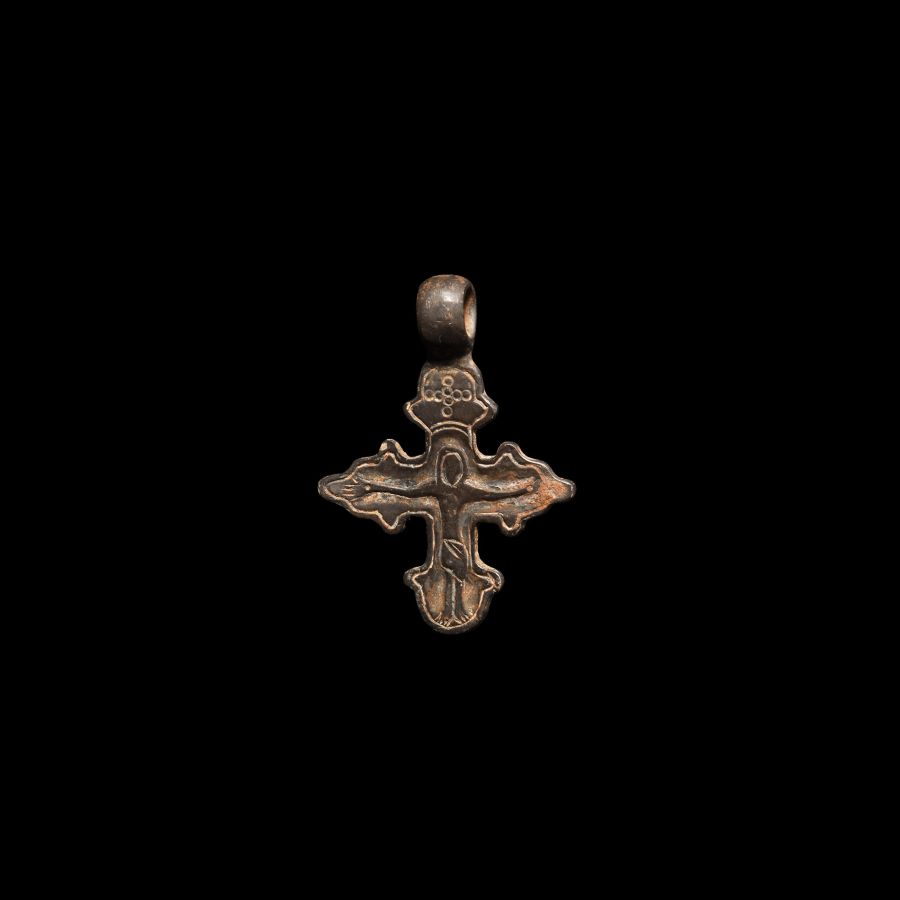
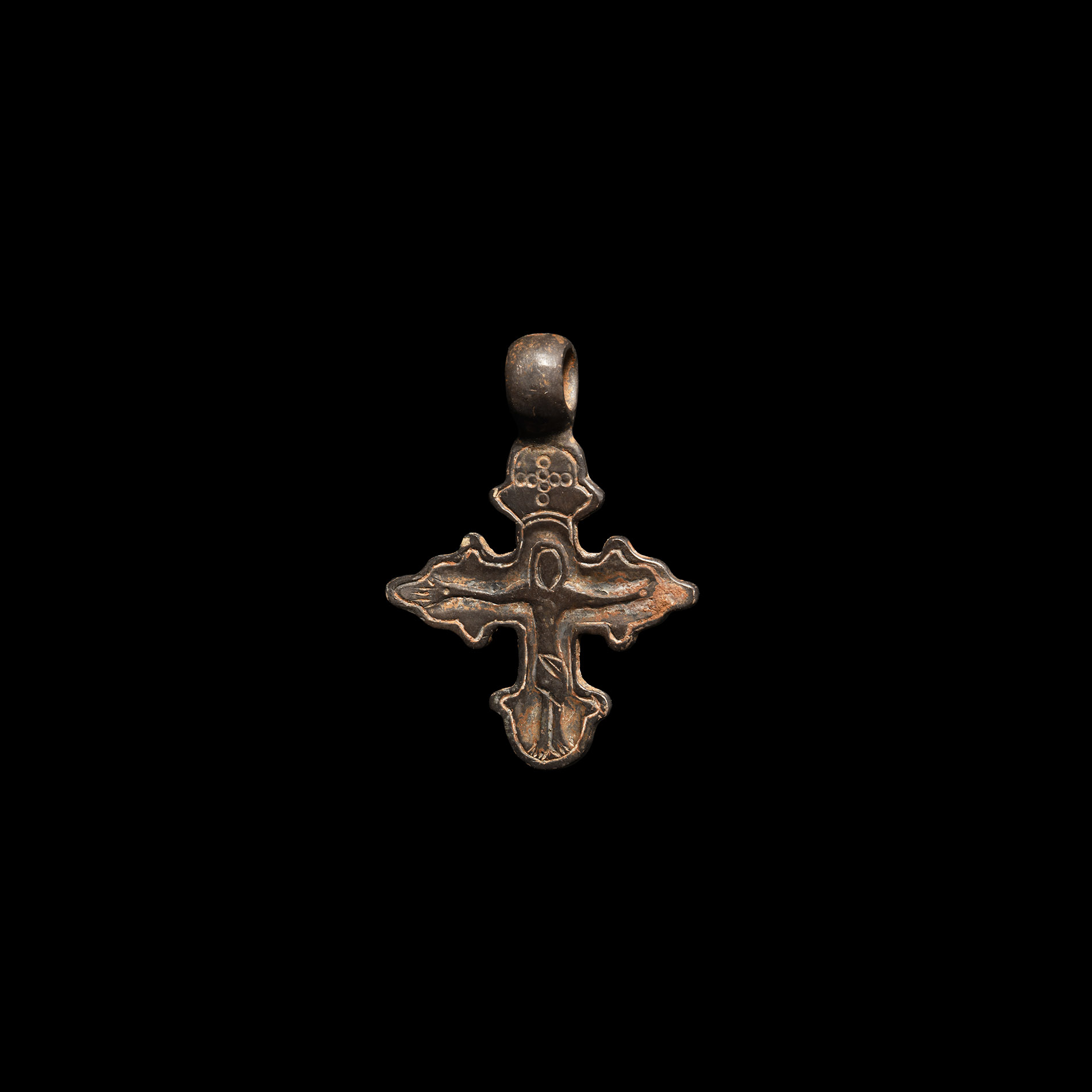
Post Medieval Silver Cross Pendant
17TH-19TH CENTURY A.D.
1 1/2 in. (6.9 grams, 38 mm).
A silver cruciform pendant bearing the figure of Christ on the cross with elaborate arms in low-relief, a cross composed of pellets above, simple detailing to the hands, feet and loin cloth worn by Christ, suspension loop above. [No Reserve]
ProvenanceAcquired on the UK art market in the late 1990s.
Property of a UK gentleman.
TimeLine Auctions follows a vetting process to ensure the authenticity and legality of all items, reinforcing our commitment to integrity and responsible trading. Each antiquity, antique, and coin lot undergoes thorough examination by a vetting committee of at least ten external specialists, professional trade association members, scientists, and archaeologists: Our Vetting Process
AUCTIONS:
TimeLine is a leading auction house specialising in antiquities, ancient art, collectables, natural history, coins, medals, and books. Our auctions offer museums, collectors, historians, and enthusiasts the opportunity to acquire unique and historically significant pieces.
-
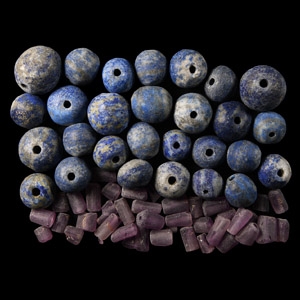
Lapis Lazuli and Other Bead Group
20th century A.D.Estimate: £100 - 140 (+bp*)
Opening Bid: £50
A mixed group of beads, mainly large spherical lapis lazuli and cylindrical amethyst types. 238 grams total, 8-22 mm
Acquired 1980-2015. Ex Abelita family collection. -
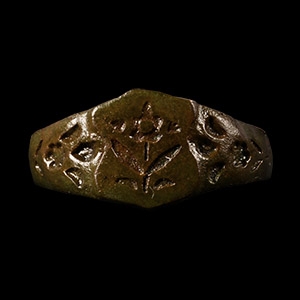
Post Medieval Ring with Flower on Shield
18th century A.D.Sold for (Inc. bp): £46
A copper-alloy ring composed of a slightly convex hoop, expanding shoulders and shield-shaped bezel, the shoulders and bezel engraved with flowering plants. 3.50 grams, 24.25 mm overall, 22.11 mm internal diameter (approximate size British W 1/2, USA 11 1/4, Europe 25.66, Japan 24)
Private collection formed since the 1940s. UK art market. Property of an Essex gentleman. -
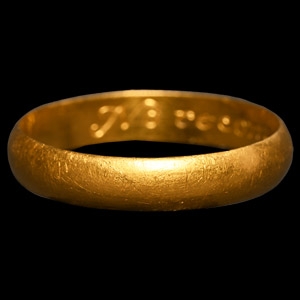
Post Medieval Gold 'No Recompence But Love' Posy Ring
Circa 18th century A.D.Sold for (Inc. bp): £845
A large gold posy ring with D-section hoop and inscribed internally 'No recompence but love' in lower case with 'ML' maker's punch. 3.08 grams, 20.33 mm overall, 18.20 mm internal diameter (approximate size British P 1/2, USA 7 3/4, Europe 16.86, Japan 16)
Acquired on the UK antiques market between 1974-1985. Albert Ward collection, Essex, UK.
