
Loading, please wait...
LOT 1976
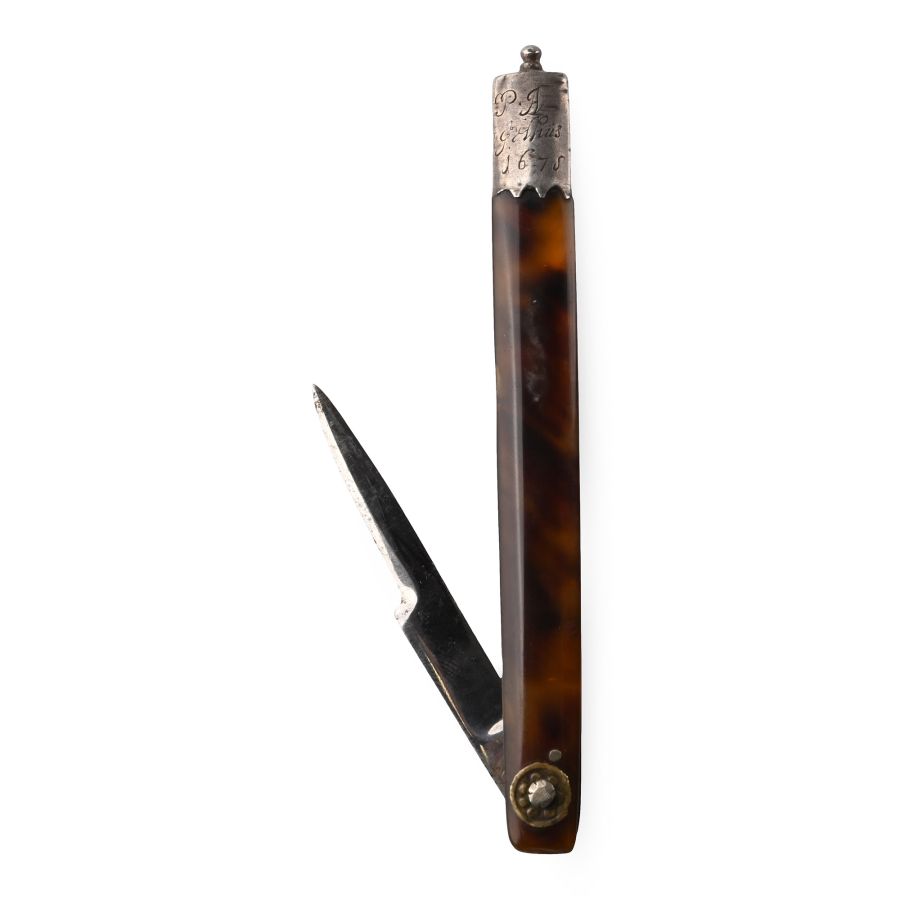
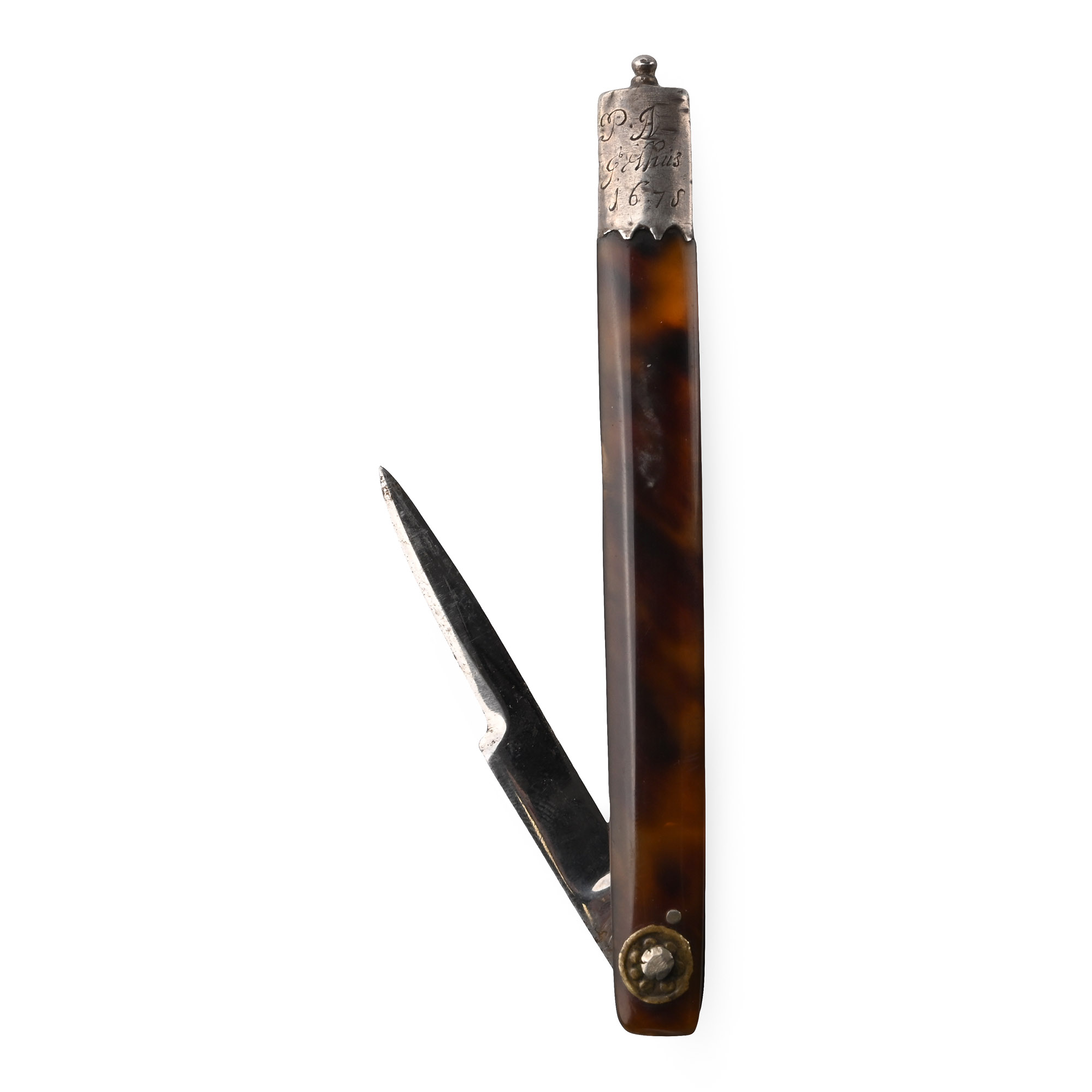
Post Medieval Razor and Silver Mounting Engraved with 'P A G E Wills, 1675'
NETHERLANDS, 17TH CENTURY A.D.
4 3/4 in. (14.7 grams, 12.1 cm).
Comprising two rectangular D-section bars, discoid mount on one end securing a razor blade, rectangular mount with engraved inscription 'P.A. G E Wills 1675' with bulbous finial to the other.
ProvenancePrivate collection, Europe.
Acquired on the English art market.
TimeLine Auctions follows a vetting process to ensure the authenticity and legality of all items, reinforcing our commitment to integrity and responsible trading. Each antiquity, antique, and coin lot undergoes thorough examination by a vetting committee of at least ten external specialists, professional trade association members, scientists, and archaeologists: Our Vetting Process
AUCTIONS:
TimeLine is a leading auction house specialising in antiquities, ancient art, collectables, natural history, coins, medals, and books. Our auctions offer museums, collectors, historians, and enthusiasts the opportunity to acquire unique and historically significant pieces.
LOT 1976
Post Medieval Razor and Silver Mounting Engraved with 'P A G E Wills, 1675'
Sold for (Inc. bp): £624
-
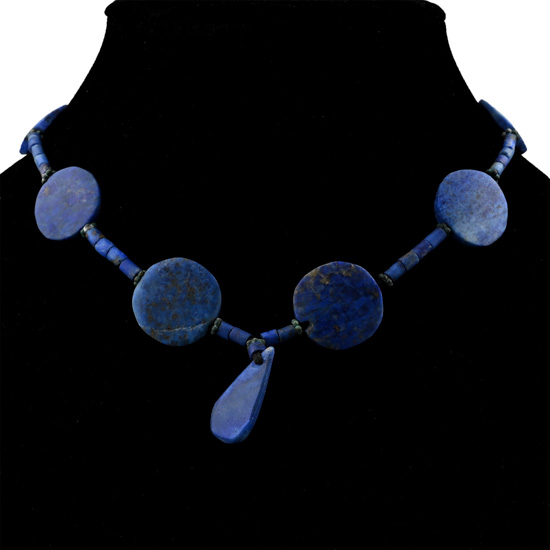
Bactrian Style Lapis Lazuli and Other Bead Necklace String
20th century A.D.Sold for (Inc. bp): £13
Restrung group of annular and tabular beads with a teardrop-shaped pendant. 27 grams, 31.3 cm
From London, UK, gallery collection, 1990s. -
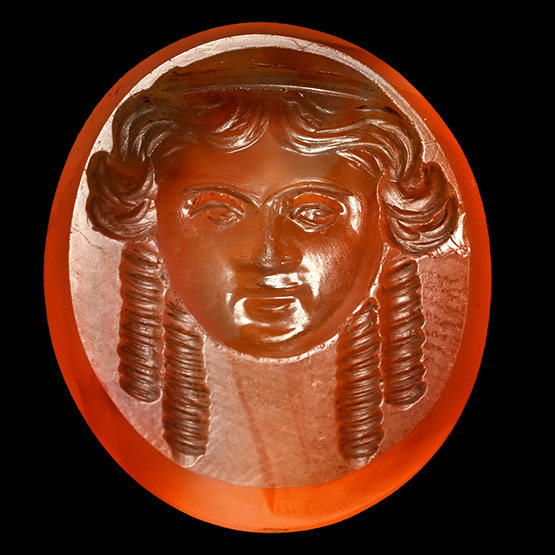
Neoclassical Agate Gemstone with Theatrical Mask
19th century A.D.Estimate: £500 - 700 (+bp*)
Opening Bid: £250
Plano-convex in section with deeply incised facing female mask with ringlets and diadem; supplied with a museum-quality impression. 3.22 grams, 23 mm
with Hotel des Ventes de Monte-Carlo, 2020. Private collection, England. -
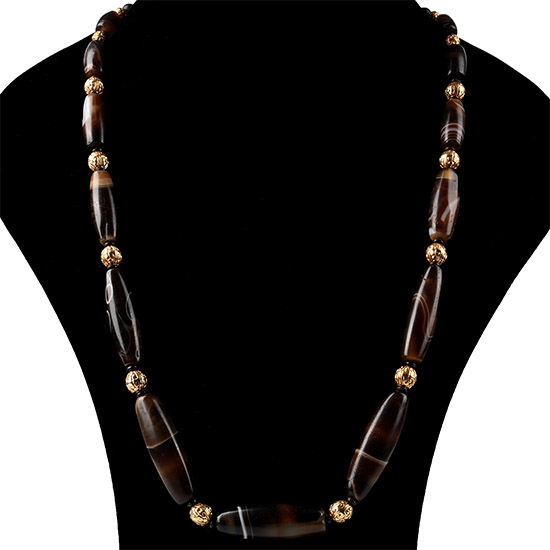
Tibetan Banded Agate and Gilt Prayer Bead Necklace
20th century A.D.Sold for (Inc. bp): £33
Graduated fusiform banded agate beads with gilt metal spacer beads. 175 grams, 76 cm
Private collection, UK.
