
Loading, please wait...
_900x900.jpg "Post Medieval Portrait Cameo Collection")
_200x200.jpg "Post Medieval Portrait Cameo Collection")
.jpg "Post Medieval Portrait Cameo Collection")
LOT 1976
Post Medieval Portrait Cameo Collection
18TH-19TH CENTURY A.D.
1 1/8 - 1 3/8 in. (40 grams total, 29-36 mm).
Comprising: malachite cameo with a profile bust of a clean-shaven man wearing an ivy leaf wreath; a domed amethyst-coloured glass intaglio with a deeply engraved bust of a young maiden, inscribed 'C. BROWN F.T.' below; a domed glass intaglio with nimbate Jesus making a blessing gesture. [3]
ProvenanceAcquired on the European art market.
CONDITIONTimeLine Auctions follows a vetting process to ensure the authenticity and legality of all items, reinforcing our commitment to integrity and responsible trading. Each antiquity, antique, and coin lot undergoes thorough examination by a vetting committee of at least ten external specialists, professional trade association members, scientists, and archaeologists: Our Vetting Process
AUCTIONS:
TimeLine is a leading auction house specialising in antiquities, ancient art, collectables, natural history, coins, medals, and books. Our auctions offer museums, collectors, historians, and enthusiasts the opportunity to acquire unique and historically significant pieces.
-
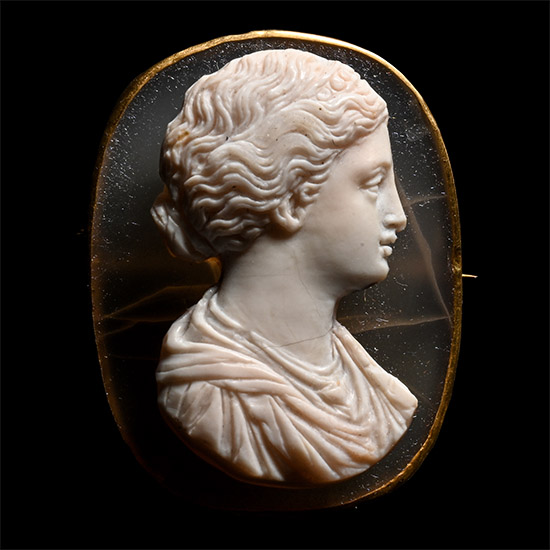
Renaissance Sardonyx Cameo of a Young Woman
Italy, 16th century A.D.Sold for (Inc. bp): £1,170
High-relief bust of a young lady facing right, her curly hair neatly pulled back to a chignon at the nape of her neck, jewelled diadem resting on top of the head; mounted in an unmarked high-carat gold brooch setting dating to the 19th century. 9.59 grams, 30 mm
Acquired on the European art market. -
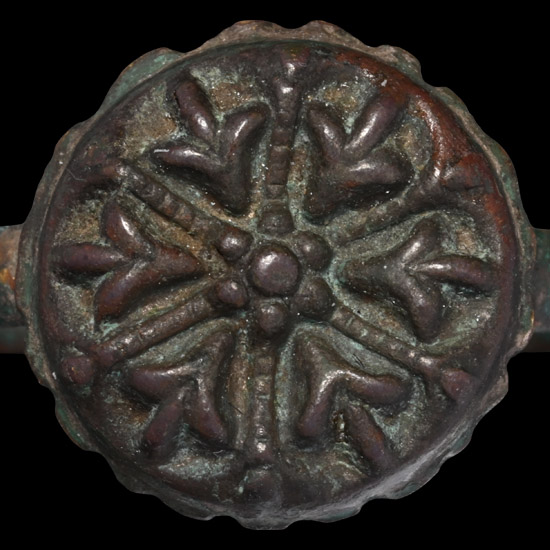
Tudor Bronze Ring with Floral Bezel
Circa 16th century A.D.Sold for (Inc. bp): £59
With disc bezel, high-relief hexafoil with pellet centre, beaded rim. 3.80 grams, 25.45 mm overall, 20.34 mm internal diameter (approximate size British U, USA 10, Europe 22.52, Japan 21)
Ex North London gentleman; formerly with Robin Symes Gallery, Mayfair, before 1999. Private collection, Suffolk, UK. -
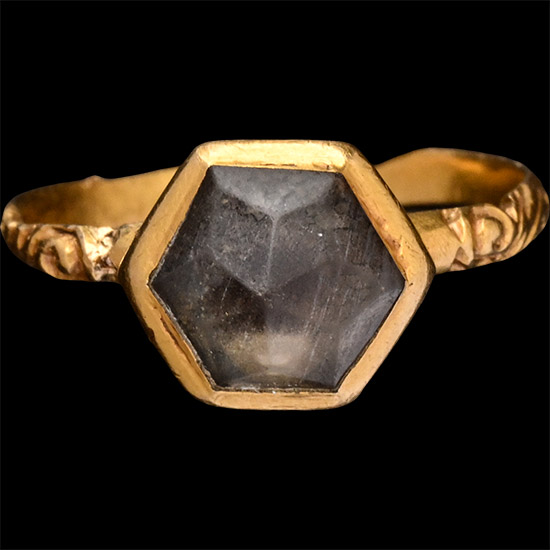
Renaissance Gold Ring with Gem
16th century A.D.Sold for (Inc. bp): £2,860
Comprising a slender hoop with scroll-decorated shoulders, a high hexagonal colette setting with a point-cut rock crystal with foil backing. 2.75 grams, 22.97 mm overall, 15.54 mm internal diameter (approximate size British I 1/2, USA 4 1/2, Europe 8.07, Japan 7)
Acquired on the European art market.
