
Loading, please wait...
LOT 0378
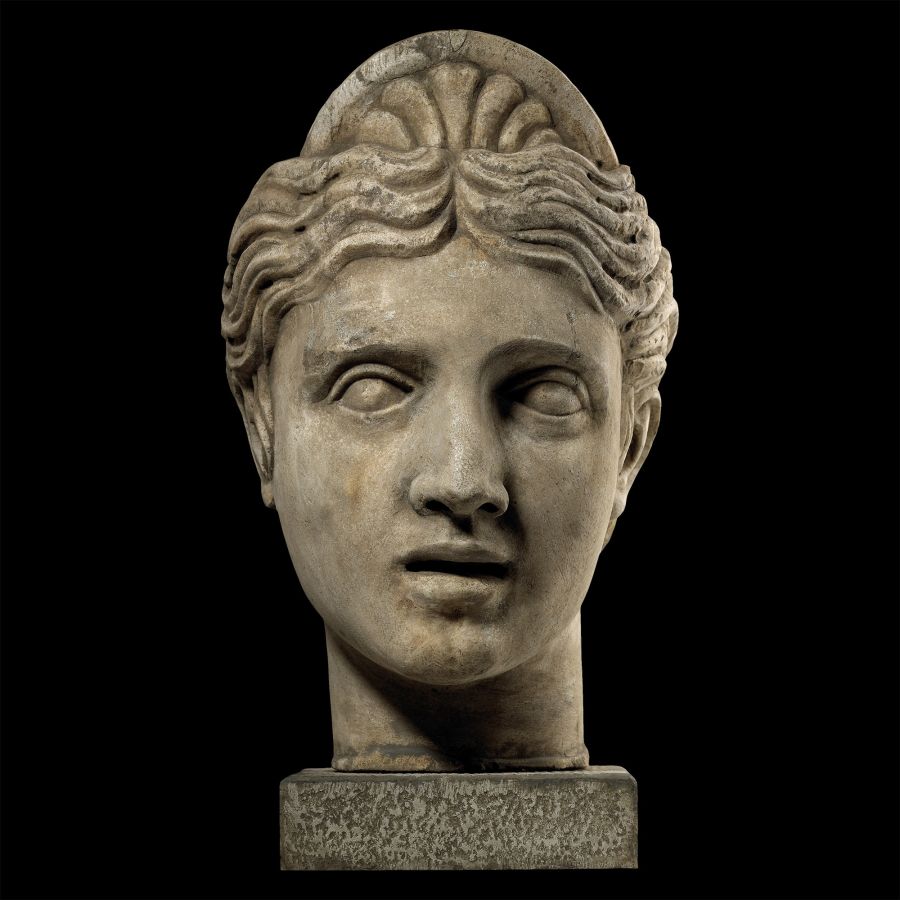
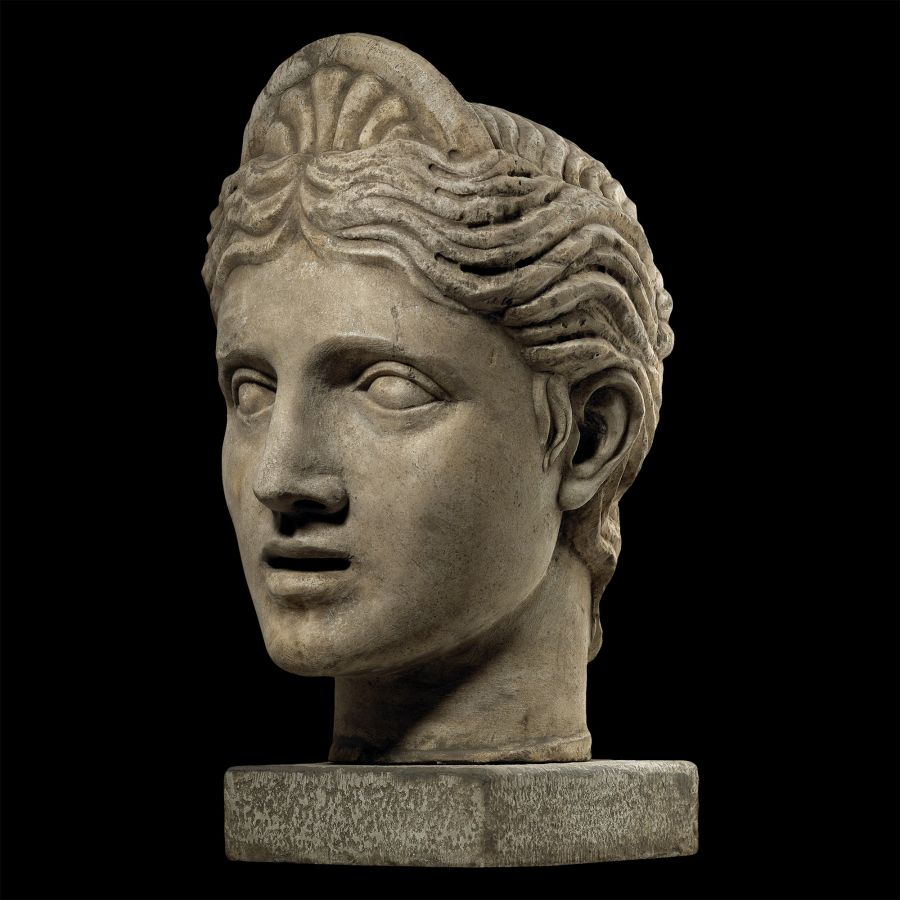
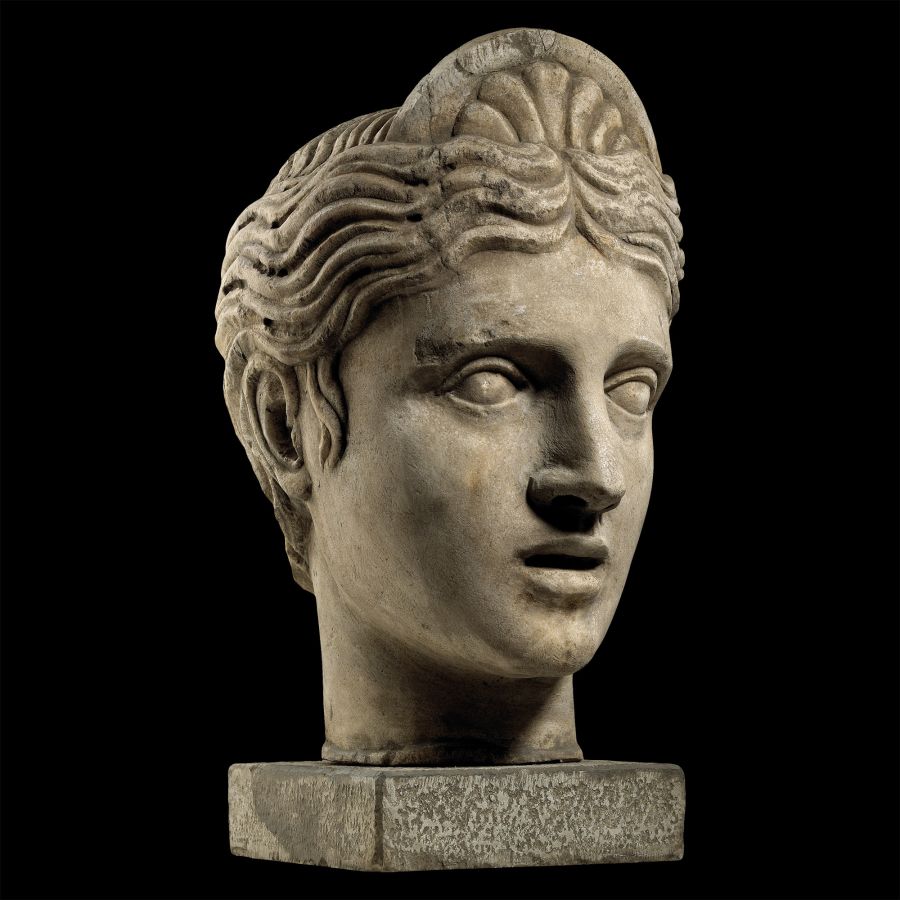
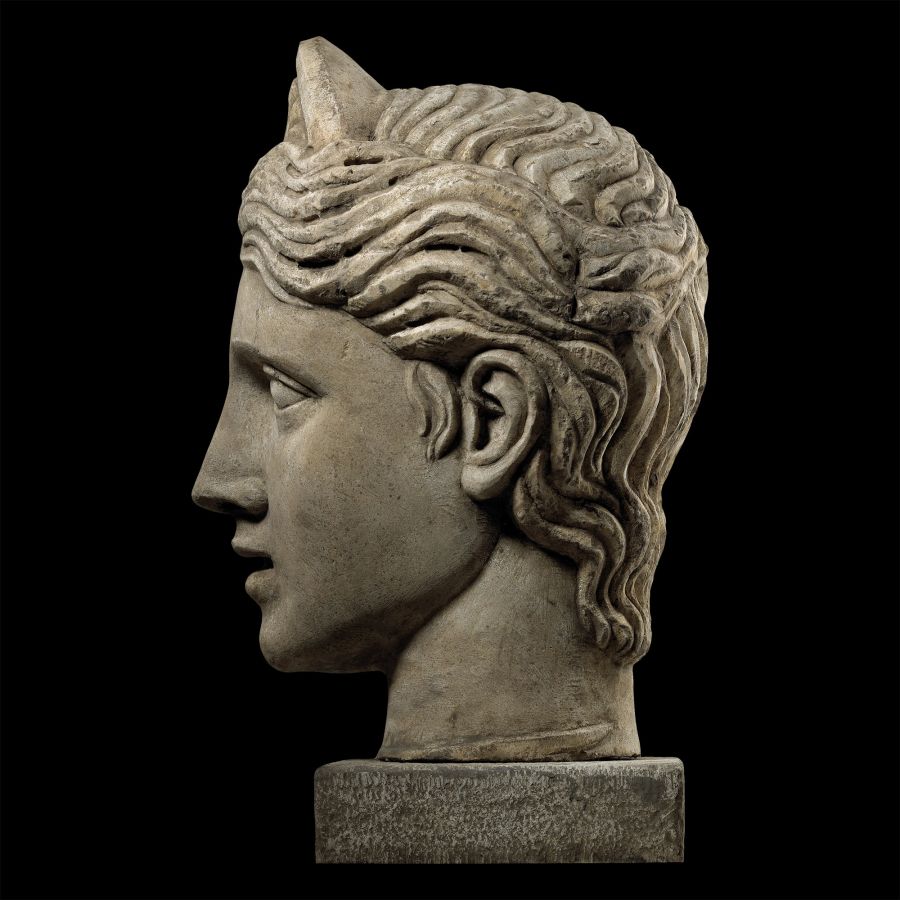
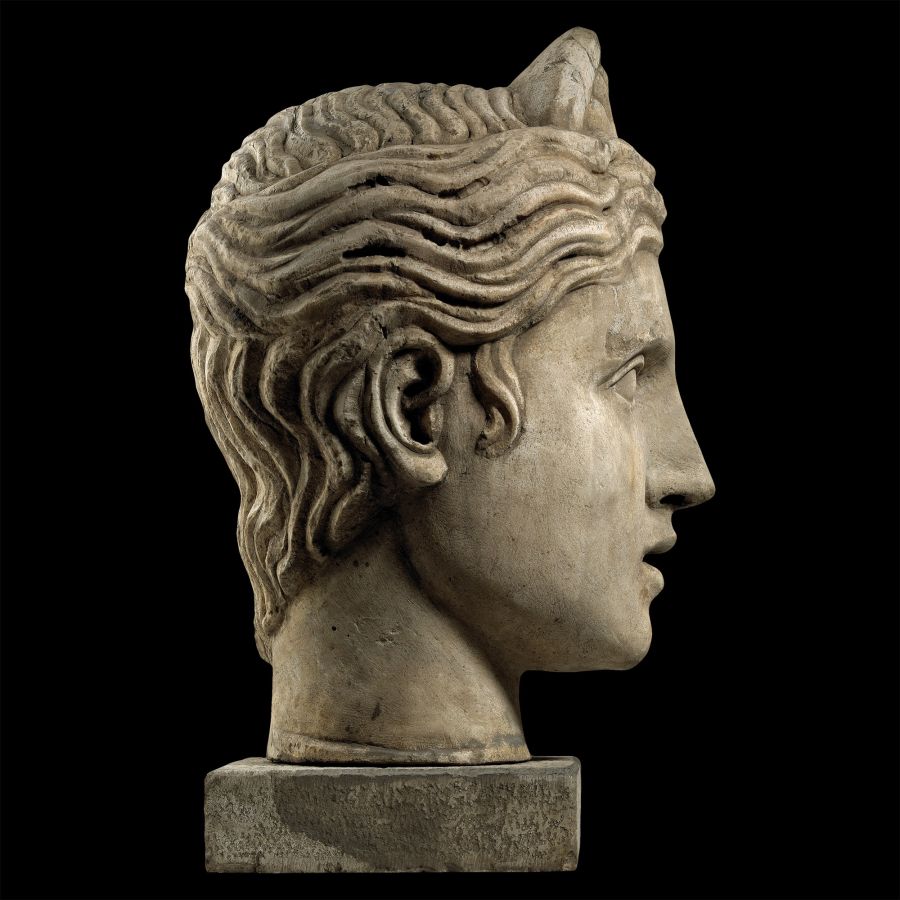
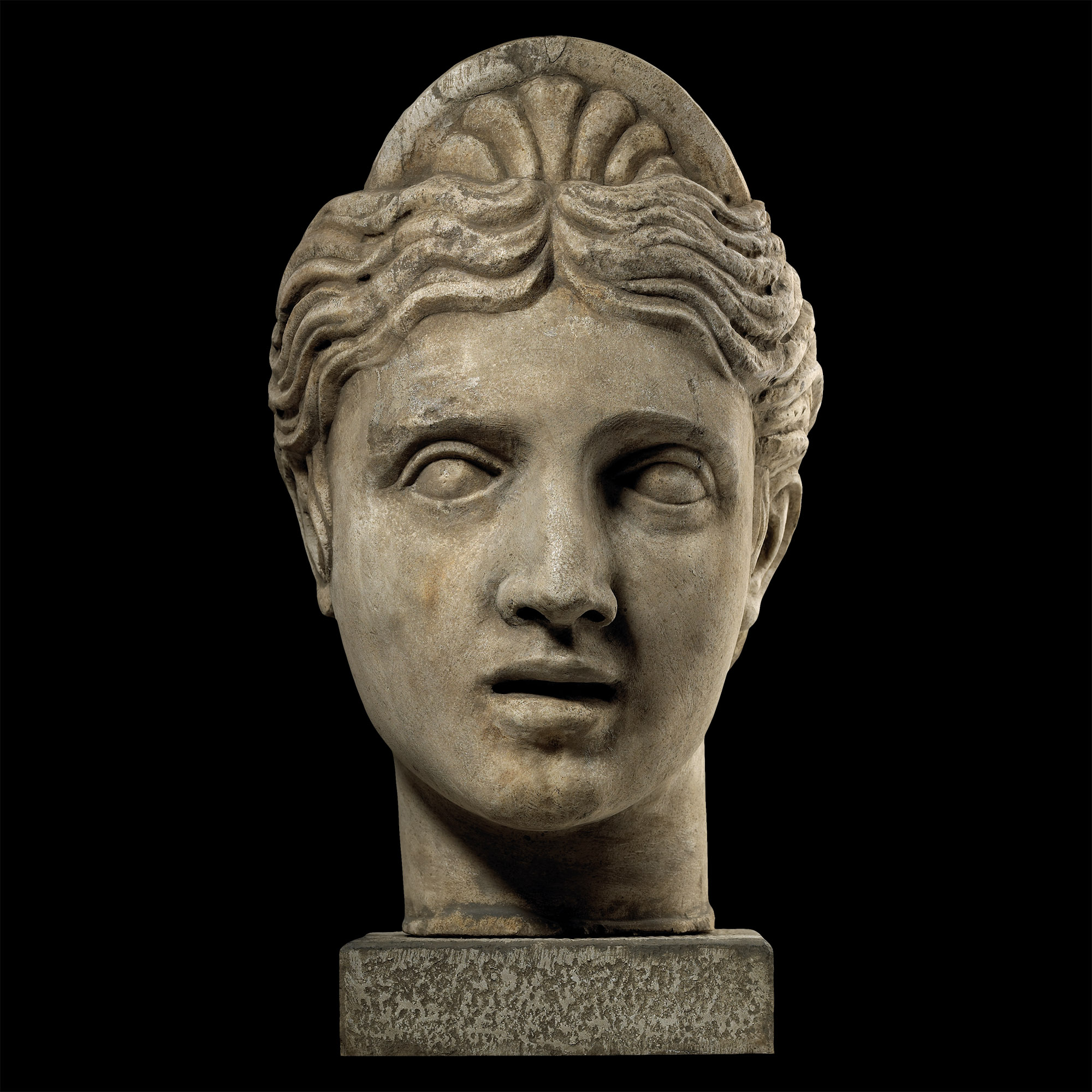
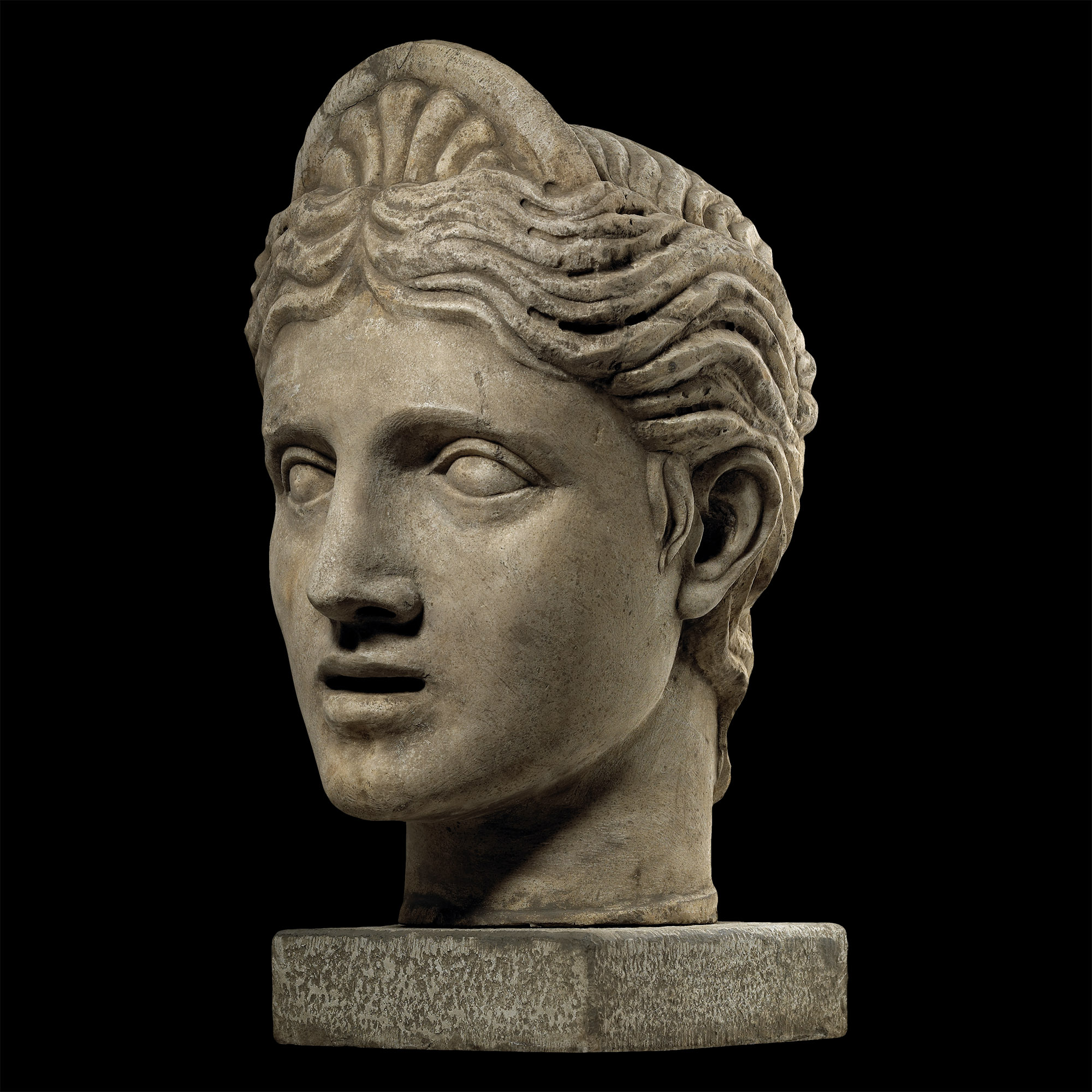
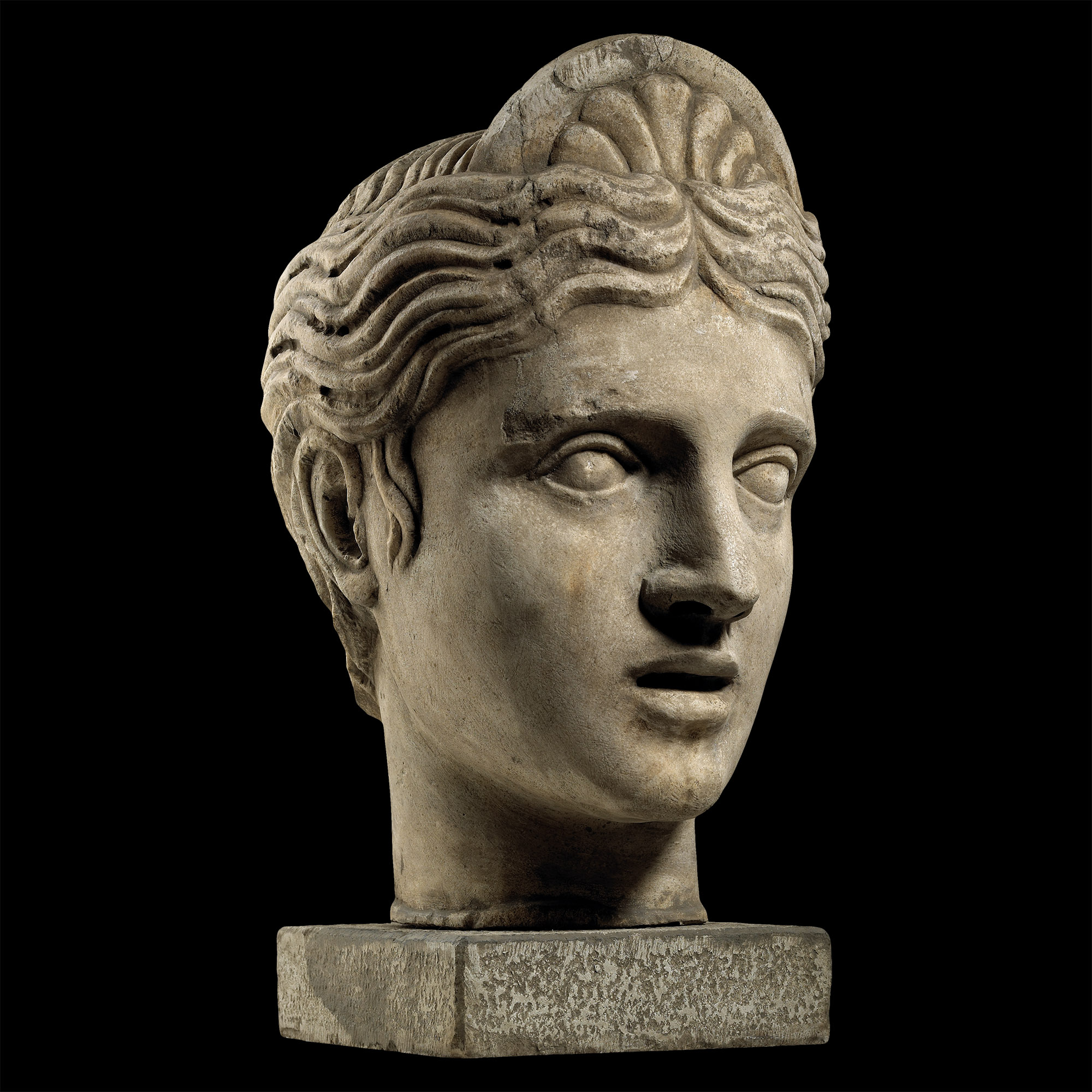
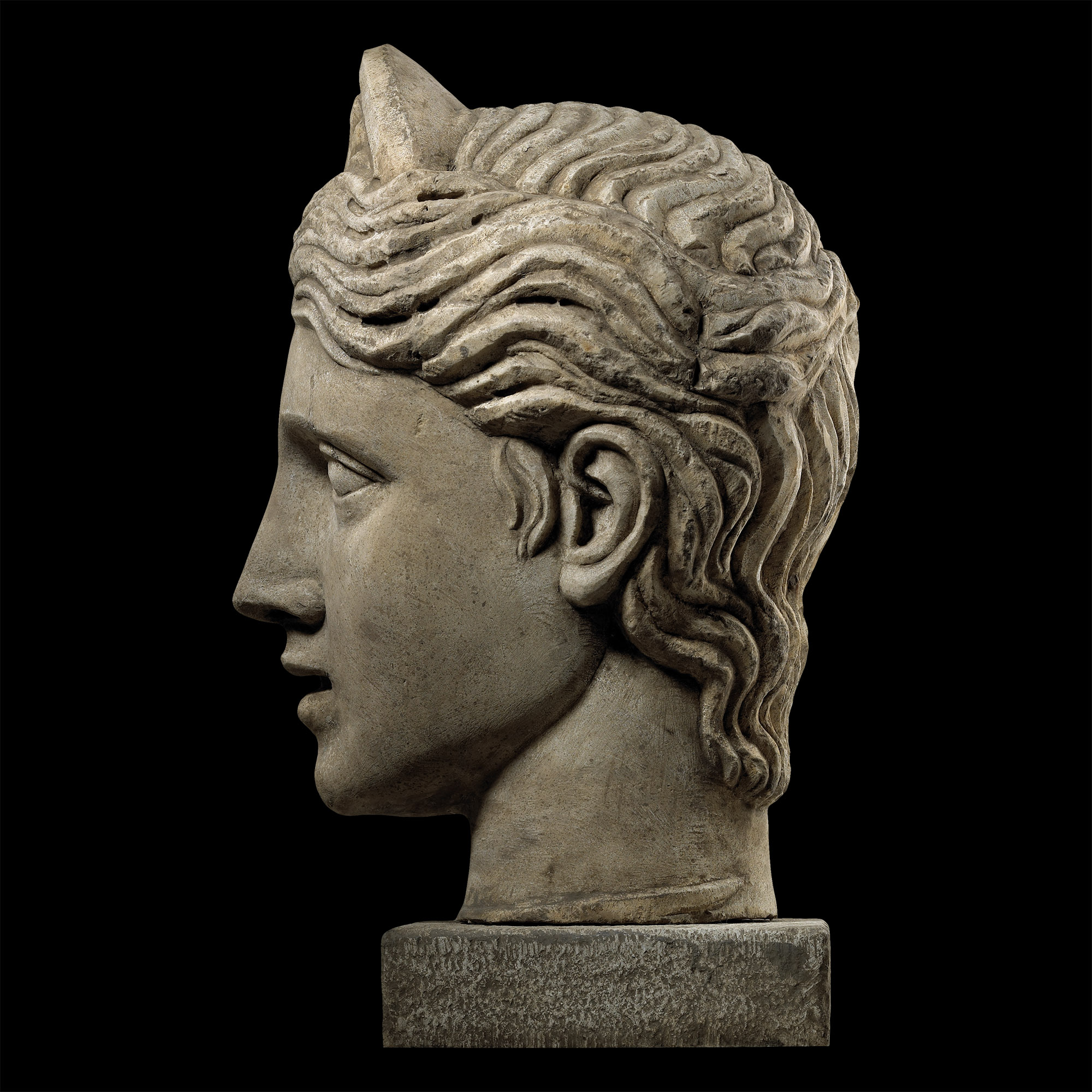
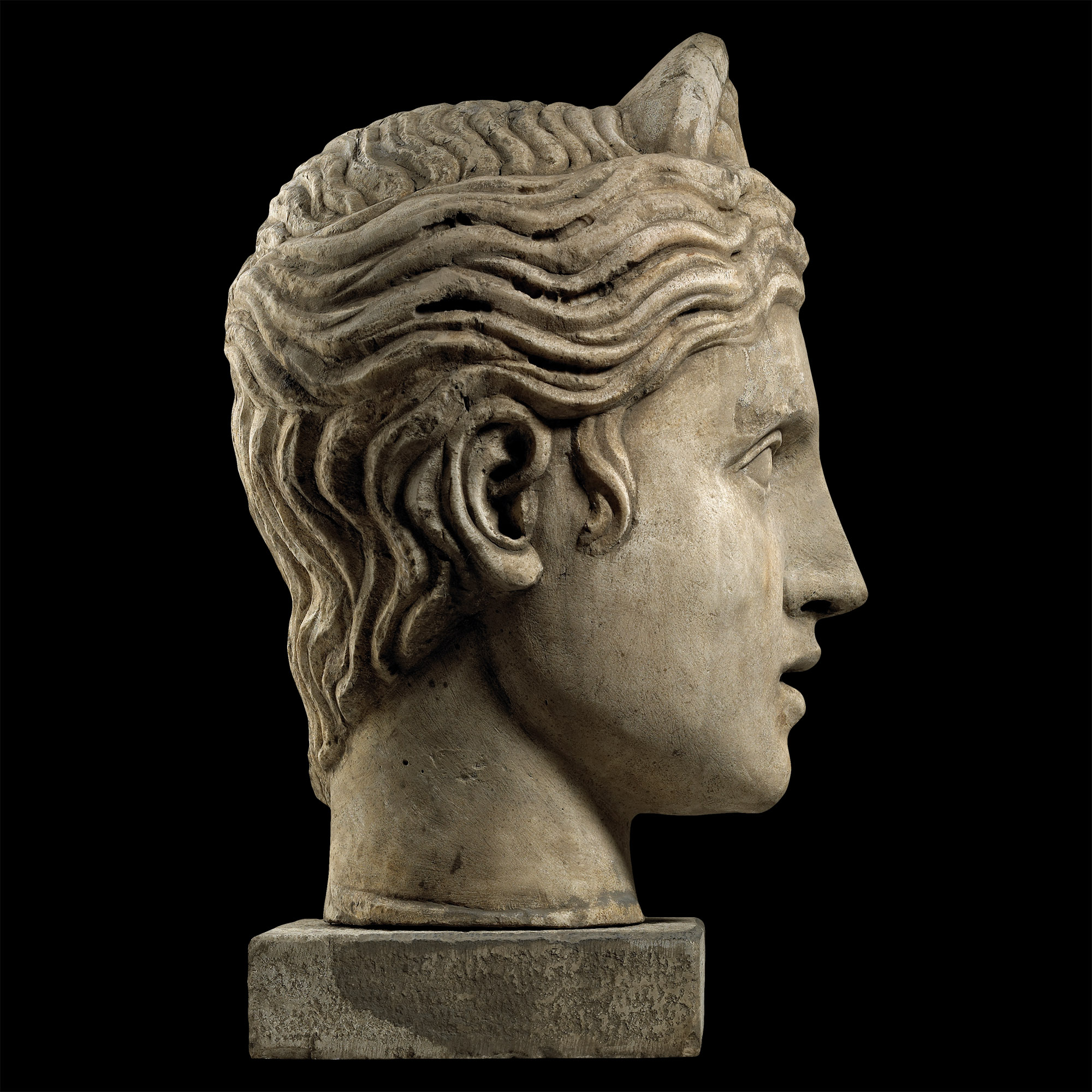
Post Medieval Marble Portrait of the Greek Goddess Hera
17TH-18TH CENTURY A.D.
16 1/2 in. (32 kg, 42 cm high including stand).
Modelled in the round with gracile features, braided hair, arched diadem to the brow.
ProvenancePrivate collection, England.
This lot has been checked against the Interpol Database of stolen works of art and is accompanied by search certificate no.13081-249676.
Cf. Massi, E., Sculptures and Galleries in the Vatican Palace, Roma, 1872, p.151.
FootnotesThe type of sculpture seems to be inspired by the type of the Barberini Hera, a Roman copy from the imperial age, today in the Chiaramonti Museum (Vatican Museums). The sculpture was discovered by the antiquarian Leonardo Agostini in the late 17th century, during excavations on the Viminal Hill. The site was located beneath the convent affiliated with the church of San Lorenzo in Panisperna, an area known to have hosted the ancient Baths of Olympiades. Its identification as the Barberini Hera was established by its early owner, Cardinal Francesco Barberini.
CONDITIONTimeLine Auctions follows a vetting process to ensure the authenticity and legality of all items, reinforcing our commitment to integrity and responsible trading. Each antiquity, antique, and coin lot undergoes thorough examination by a vetting committee of at least ten external specialists, professional trade association members, scientists, and archaeologists: Our Vetting Process
AUCTIONS:
TimeLine is a leading auction house specialising in antiquities, ancient art, collectables, natural history, coins, medals, and books. Our auctions offer museums, collectors, historians, and enthusiasts the opportunity to acquire unique and historically significant pieces.
LOT 0378
Post Medieval Marble Portrait of the Greek Goddess Hera
Sold for (Inc. bp): £5,980
-
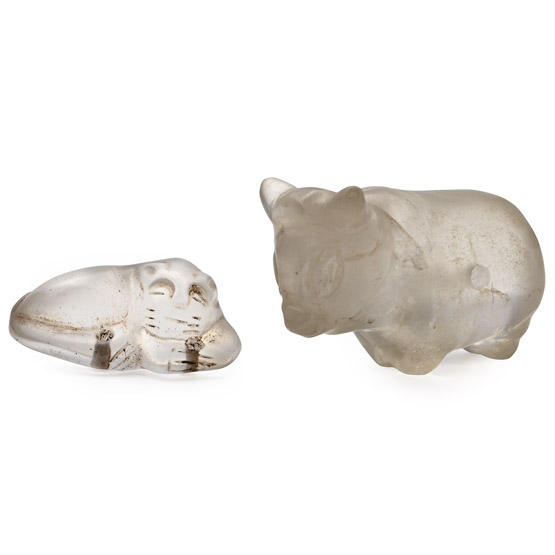
Rock Crystal Animal Group
20th century A.D.Sold for (Inc. bp): £26
Comprising: standing bull pierced at the shoulders; sleeping feline pierced at each forepaw; both carved in the round. 62 grams total, 38-47 mm
Private collection, UK. -
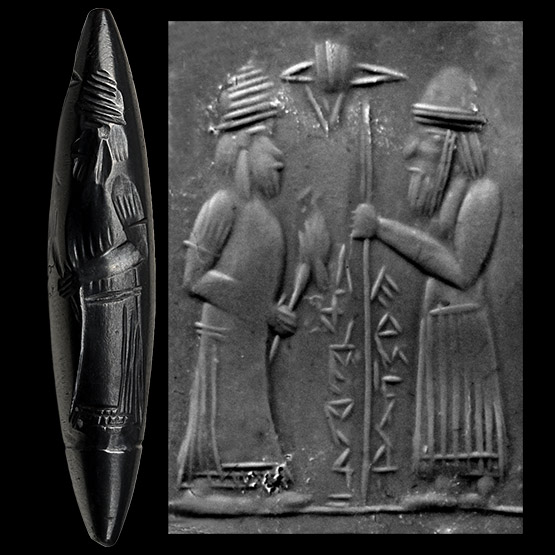
Western Asiatic Style Haematite Bead with Figures and Inscription
19th-20th century A.D.Estimate: £150 - 200 (+bp*)
Opening Bid: £75
Fusiform type with standing robed figure holding a torch and another holding a spear; two columns of text. 12.6 grams, 52 mm
with Gorny and Mosch, 12 July 2022, no.621 (part). Private collection, England. -
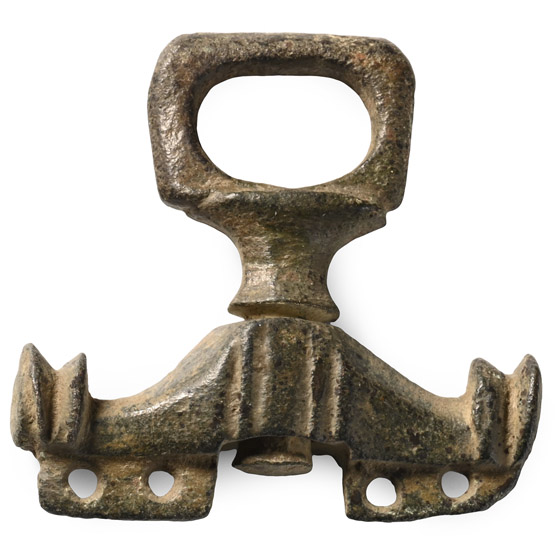
Tudor Bronze Purse Bar
16th century A.D.Sold for (Inc. bp): £46
With horizontal bar, ribbed finials, vertical swivel and rectangular suspension loop. 15.9 grams, 34 mm
From the private collection of the late Graham Slater (1927-2024), Cambridge, UK, acquired 1980s-1990s.
