
Loading, please wait...
LOT 1530
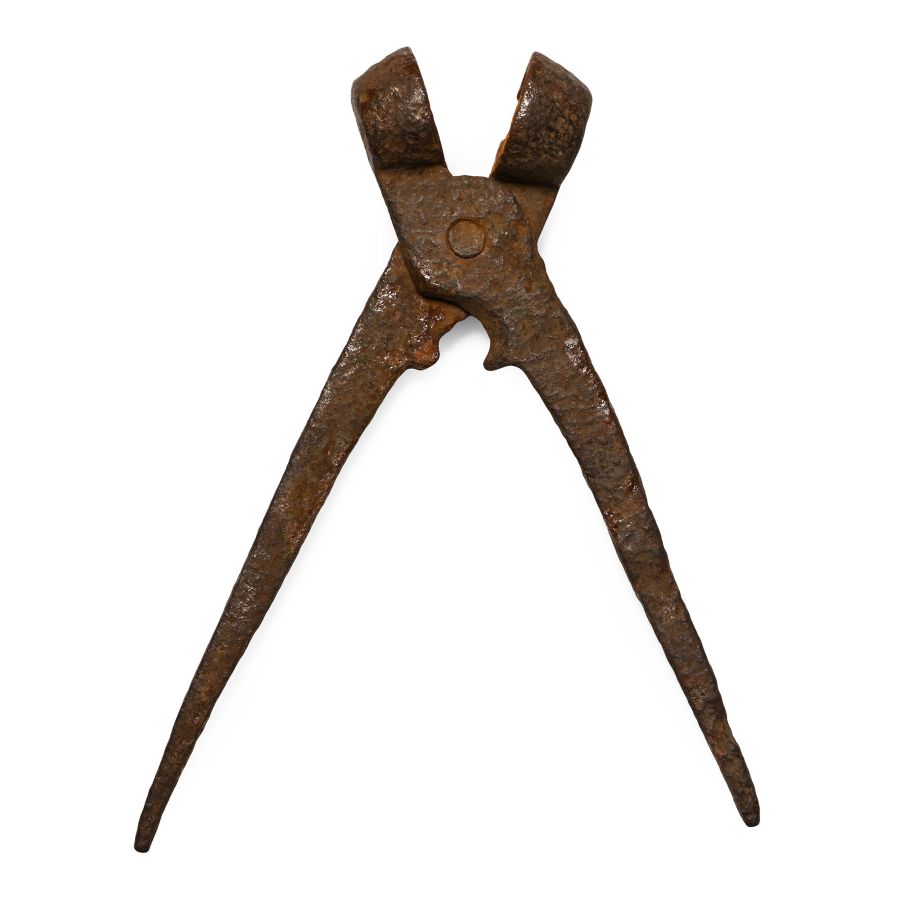
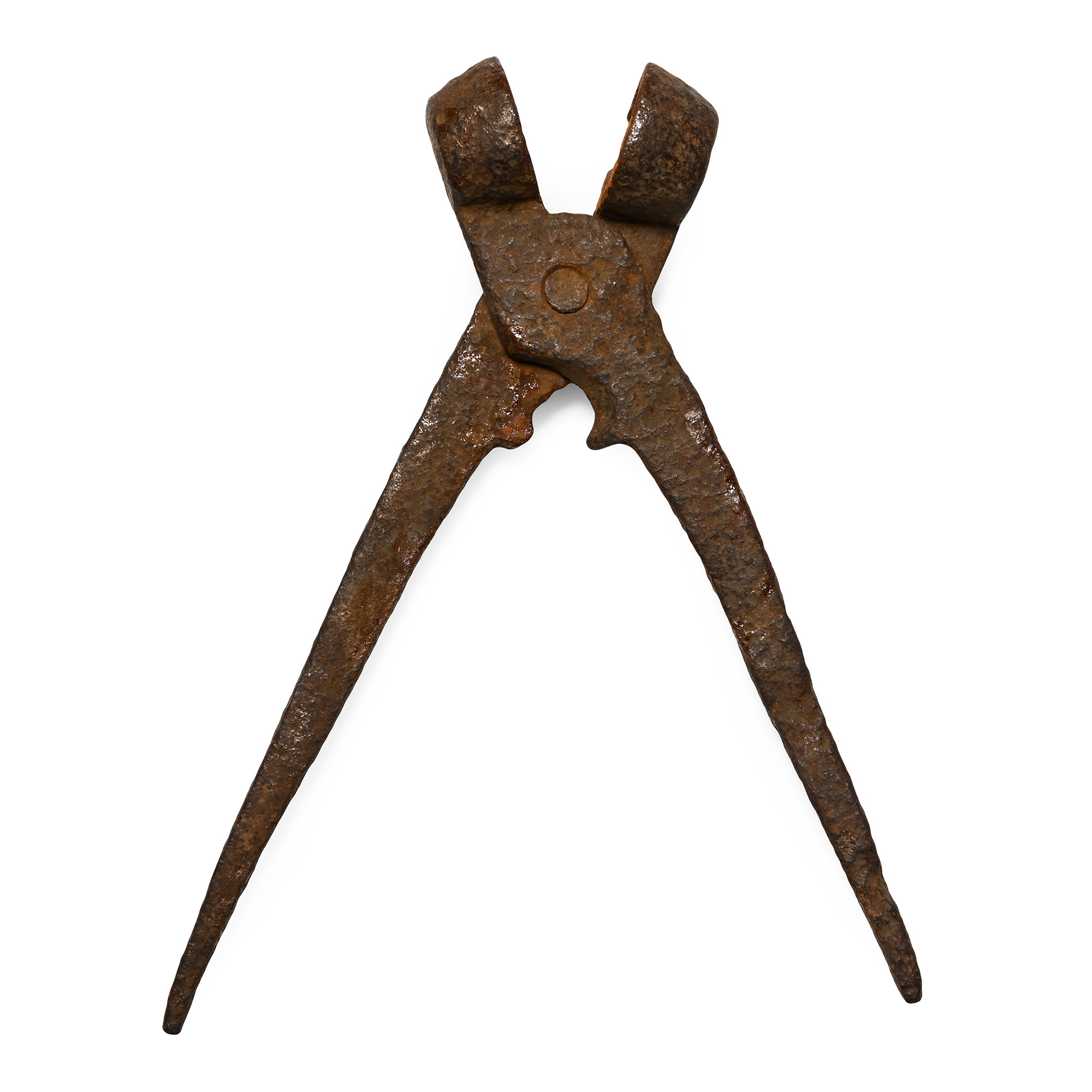
Post Medieval Iron Pistol Ball Scissor Mould
17TH-19TH CENTURY A.D.
4 1/2 in. (50.5 grams, 11.3 cm).
Comprising a two-part mould with pivoting handles. [No Reserve]
ProvenanceFound Suffolk, UK.
Property of a Suffolk, UK, gentleman.
TimeLine Auctions follows a vetting process to ensure the authenticity and legality of all items, reinforcing our commitment to integrity and responsible trading. Each antiquity, antique, and coin lot undergoes thorough examination by a vetting committee of at least ten external specialists, professional trade association members, scientists, and archaeologists: Our Vetting Process
AUCTIONS:
TimeLine is a leading auction house specialising in antiquities, ancient art, collectables, natural history, coins, medals, and books. Our auctions offer museums, collectors, historians, and enthusiasts the opportunity to acquire unique and historically significant pieces.
-
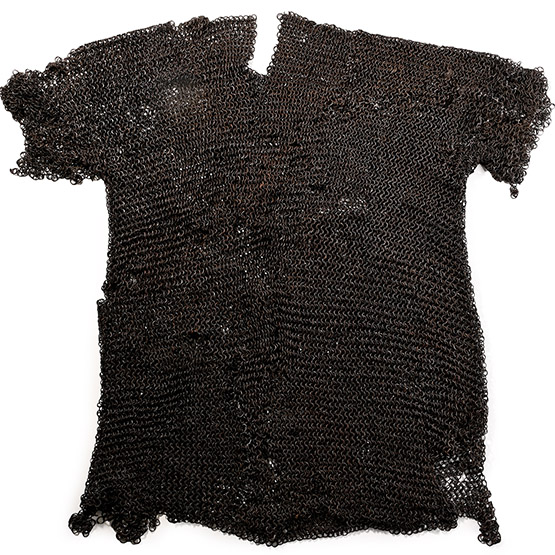
Frankish Warrior's Iron Byrnie Chain Mail Armour
Northern Europe, circa 6th-10th century A.D.Sold for (Inc. bp): £4,680
A nearly complete short-sleeved ring armour composed of interlocking links in the four-through-one formation with alternating rivetted rings. 4.71 kg, 65 x 75 cm
From the private collection of a London gentleman, from his grandfather's collection formed before the early 1970s. Accompanied by an academic report by Dr Raffaele D’Amato. This lot has been checked against the Interpol Database of stolen works of art and is accompanied by a search certificate number no.13041-248010.
The rings are arranged in rows, and the links within the same row do not join. Instead, each ring connects to two rings in the row above and two in the row beneath. A great majority of all-rivetted mail comes from Southern Scandinavia and Northern Europe, notably Sweden, northern Germany and Poland. All-rivetted mail already occurs there during the Roman Iron Age, and continues into the Migration, the Vendel, and then the Viking periods. Rivetted rings were usually fabricated by shaping metal wire into a circle with the ends overlapping several mm. Here, the riveted rings seem to be of reshaped oval form. -
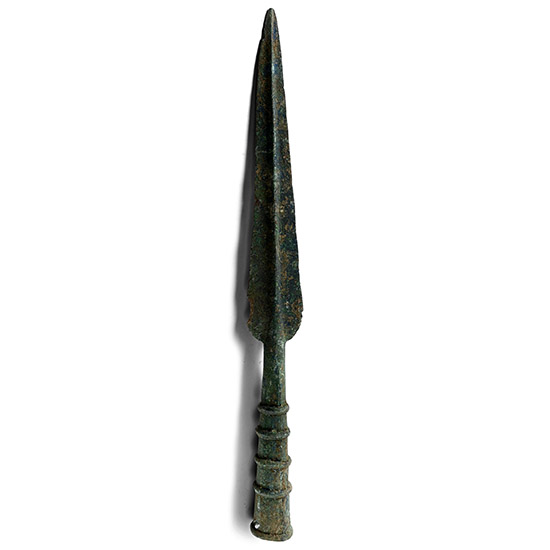
Luristan Bronze Spearhead
800-600 B.C.Sold for (Inc. bp): £182
Socketted with slight horizontal cast-in grooves on the shaft, foliate head with strong mid-rib, fastening hole on the socket. 166 grams, 34.7 cm
Ex Abelita family collection, 1980s-2000s.
These kinds of spearheads were realised by casting in a mould. They were of different lengths and used by Luristan, Hamadan, early Median and Achaemenid warriors. -
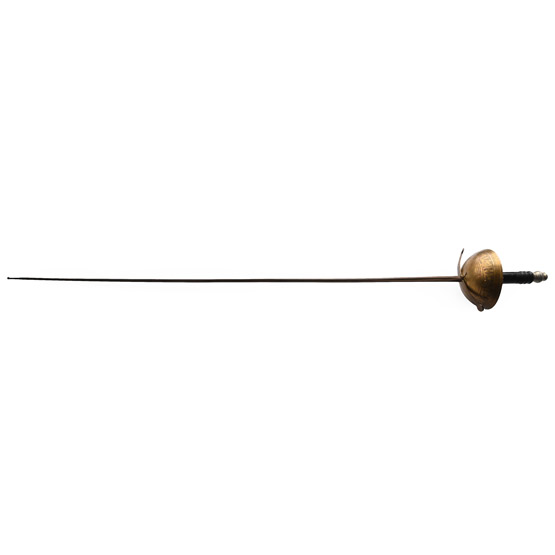
Fencing Épée with Engraved Brass Basket
20th century A.D.Sold for (Inc. bp): £52
Slender triangular-section blade with scooped quillons, bell guard with engraved foliage ornament, and inner fabric sleeve, turned grip with knop finial. 472 grams, 106 cm
Property of a Berkshire, UK, gentleman collector.
