
Loading, please wait...
LOT 1459
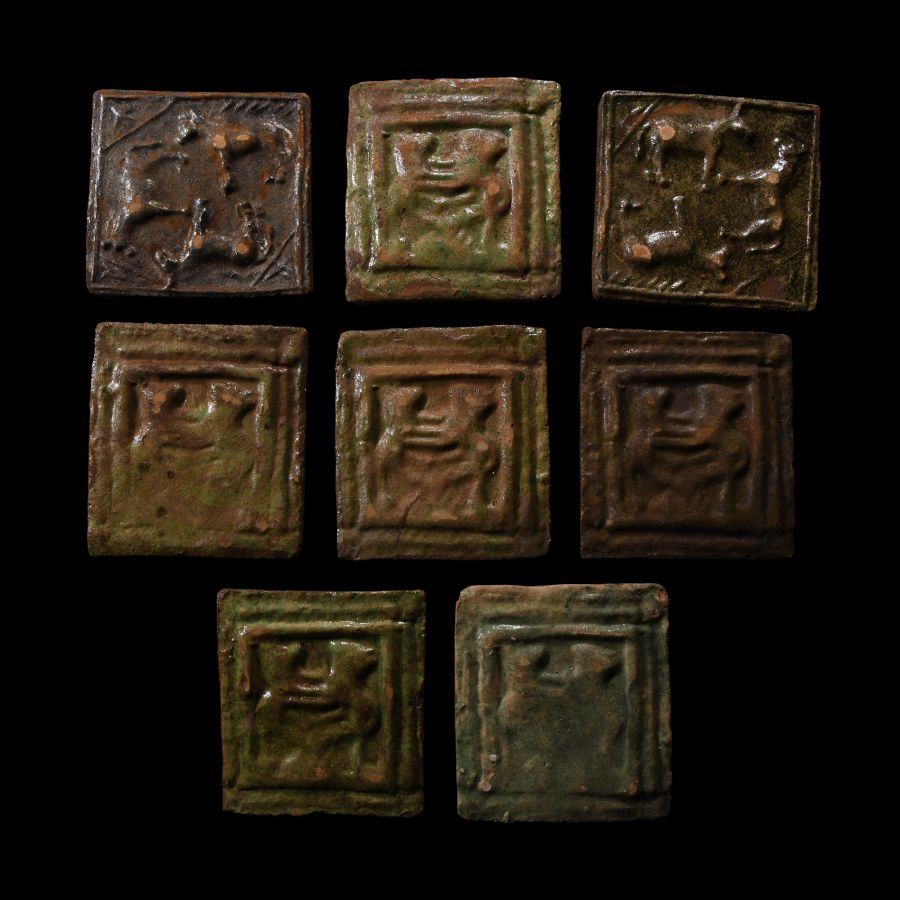
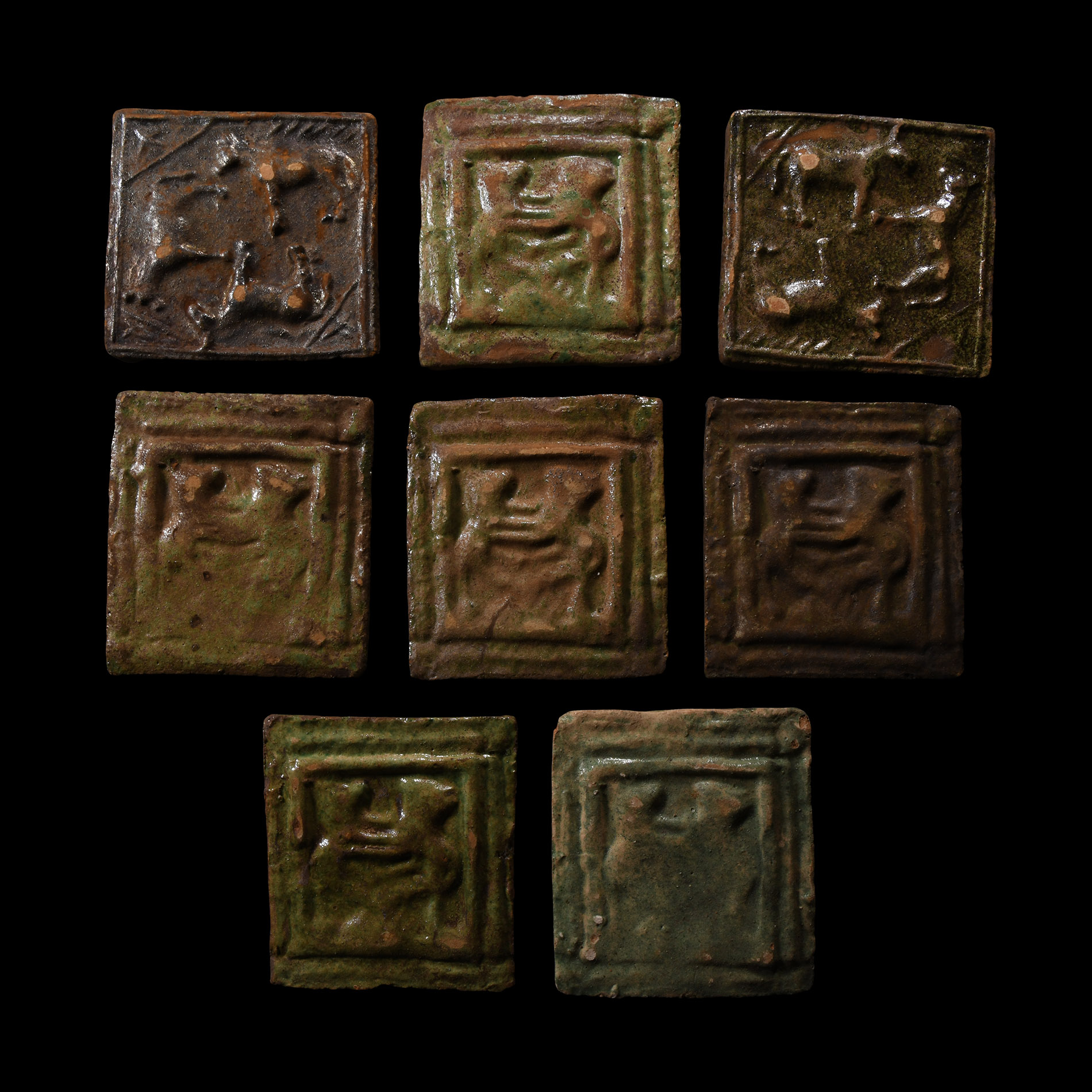
Post Medieval Glazed Ceramic Tile Group
17TH-18TH CENTURY A.D.
3 3/4 x 4 - 3 7/8 x 4 in. (1.2 kg total, 9.5 x 10 - 9.8 x 10 cm).
Comprising two designs in relief including three horses in an enclosure and two animals, likely cats, fighting; coloured glazes. [10]
ProvenanceAcquired 1990s-early 2000s.
East Anglian private collection.
TimeLine Auctions follows a vetting process to ensure the authenticity and legality of all items, reinforcing our commitment to integrity and responsible trading. Each antiquity, antique, and coin lot undergoes thorough examination by a vetting committee of at least ten external specialists, professional trade association members, scientists, and archaeologists: Our Vetting Process
AUCTIONS:
TimeLine is a leading auction house specialising in antiquities, ancient art, collectables, natural history, coins, medals, and books. Our auctions offer museums, collectors, historians, and enthusiasts the opportunity to acquire unique and historically significant pieces.
-
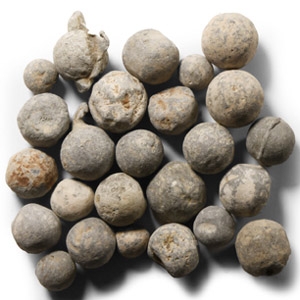
Civil War Period Lead Musket Ball Collection
Circa 17th century A.D.Sold for (Inc. bp): £13
Comprising twenty-five balls, some impacted and some with sprues. 458 grams total, 10-25 mm
Ex UK deceased estate. Property of a North London collector. -
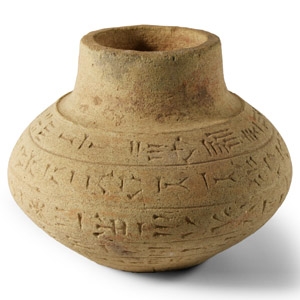
Pottery Vessel with Cuneiform Inscription
20th century A.D.Sold for (Inc. bp): £39
Squat with bulbous profile, six circumferential bands of cuneiform text to the body; after the antique. 216 grams, 10 cm wide
From a London, UK, collection. Property of a North London, UK, gentleman. -
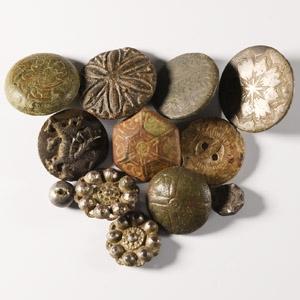
Bronze Button Collection
18th-19th century A.D.Sold for (Inc. bp): £33
Mixed group of broad-flan buttons, some with high-relief motifs. 109 grams total, 10-30 mm
Acquired early 2000s. Property of a Stowmarket, UK, gentleman.
