
Loading, please wait...
LOT 0404
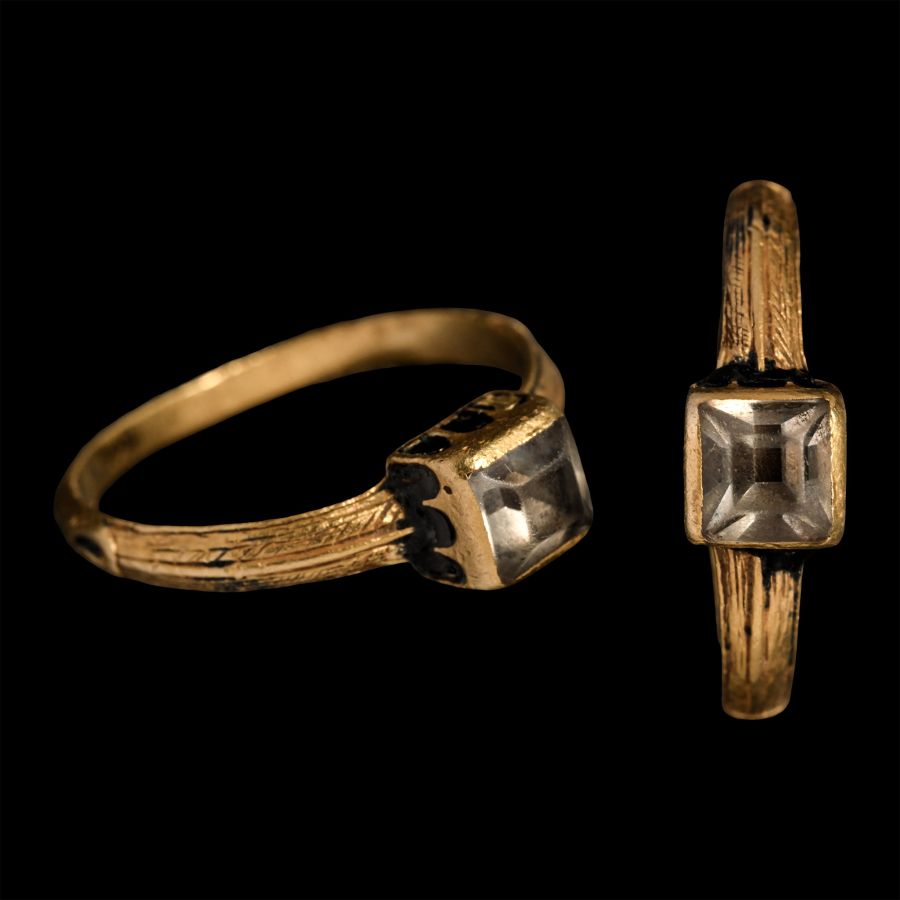
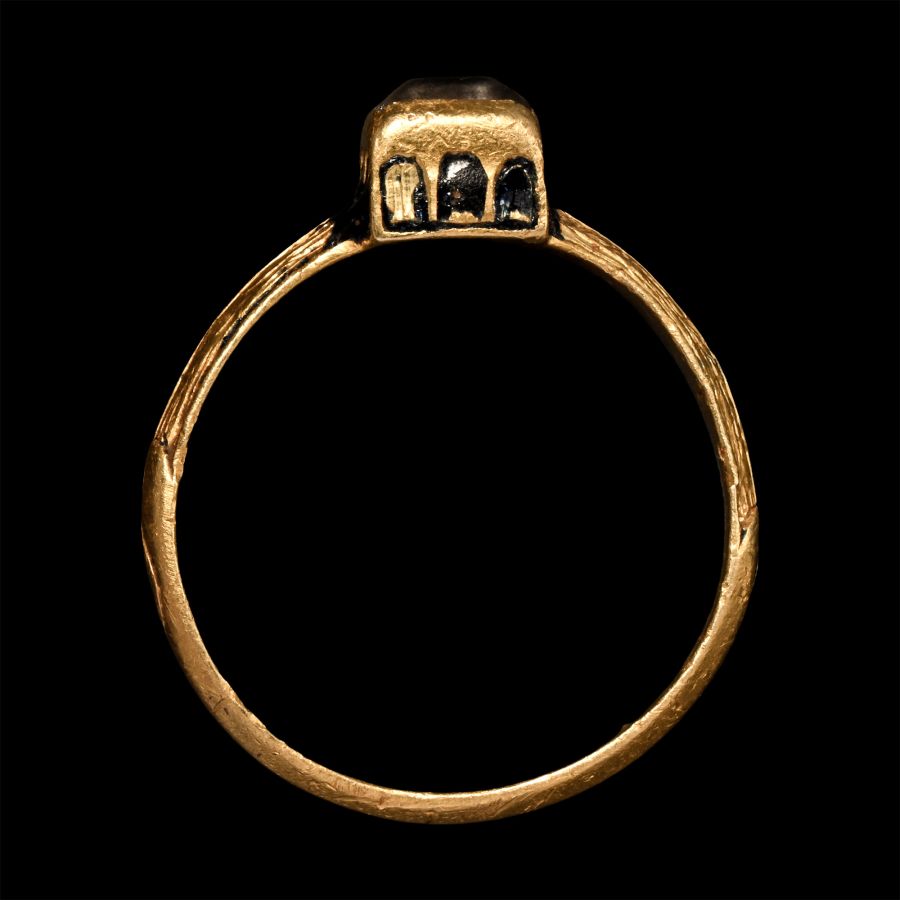
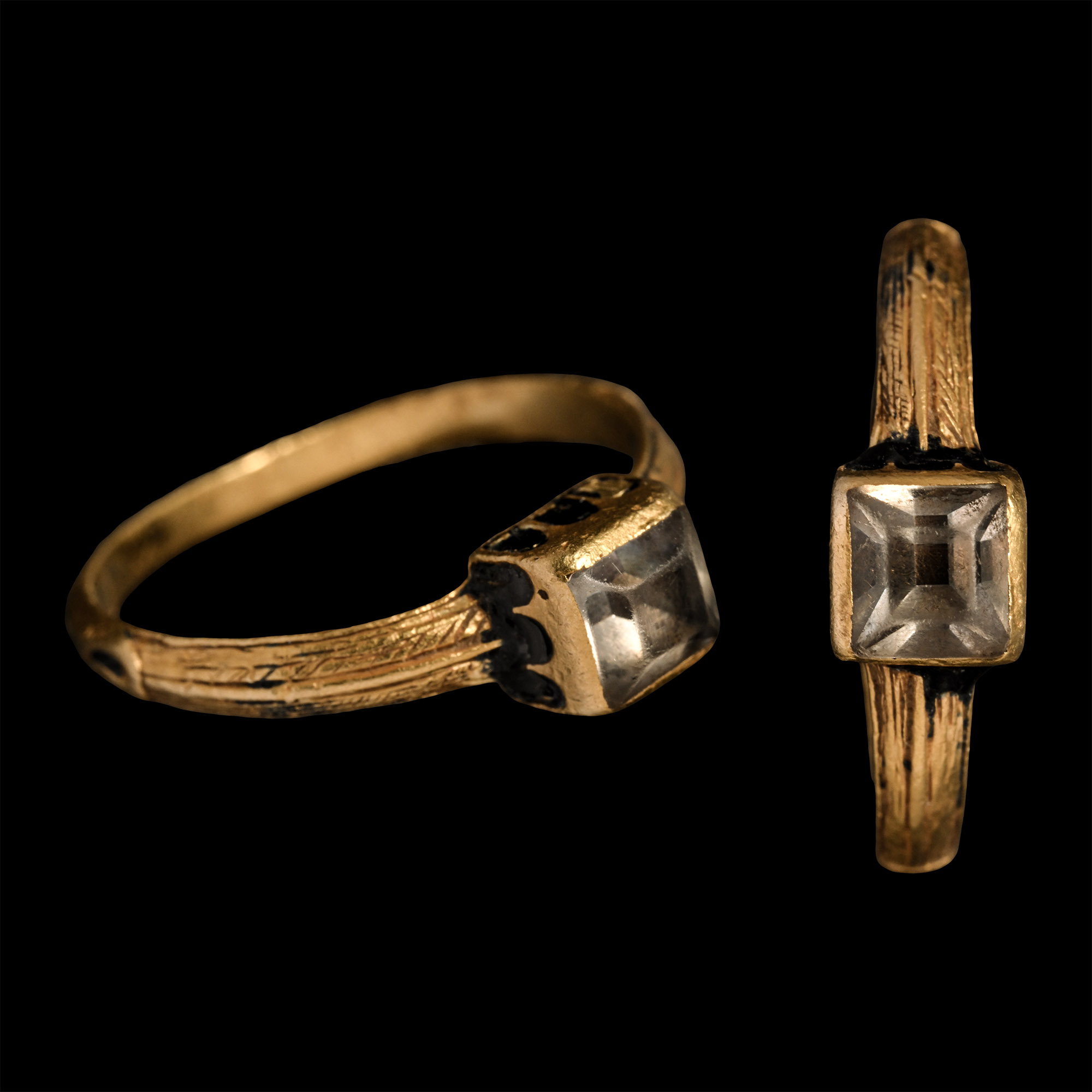
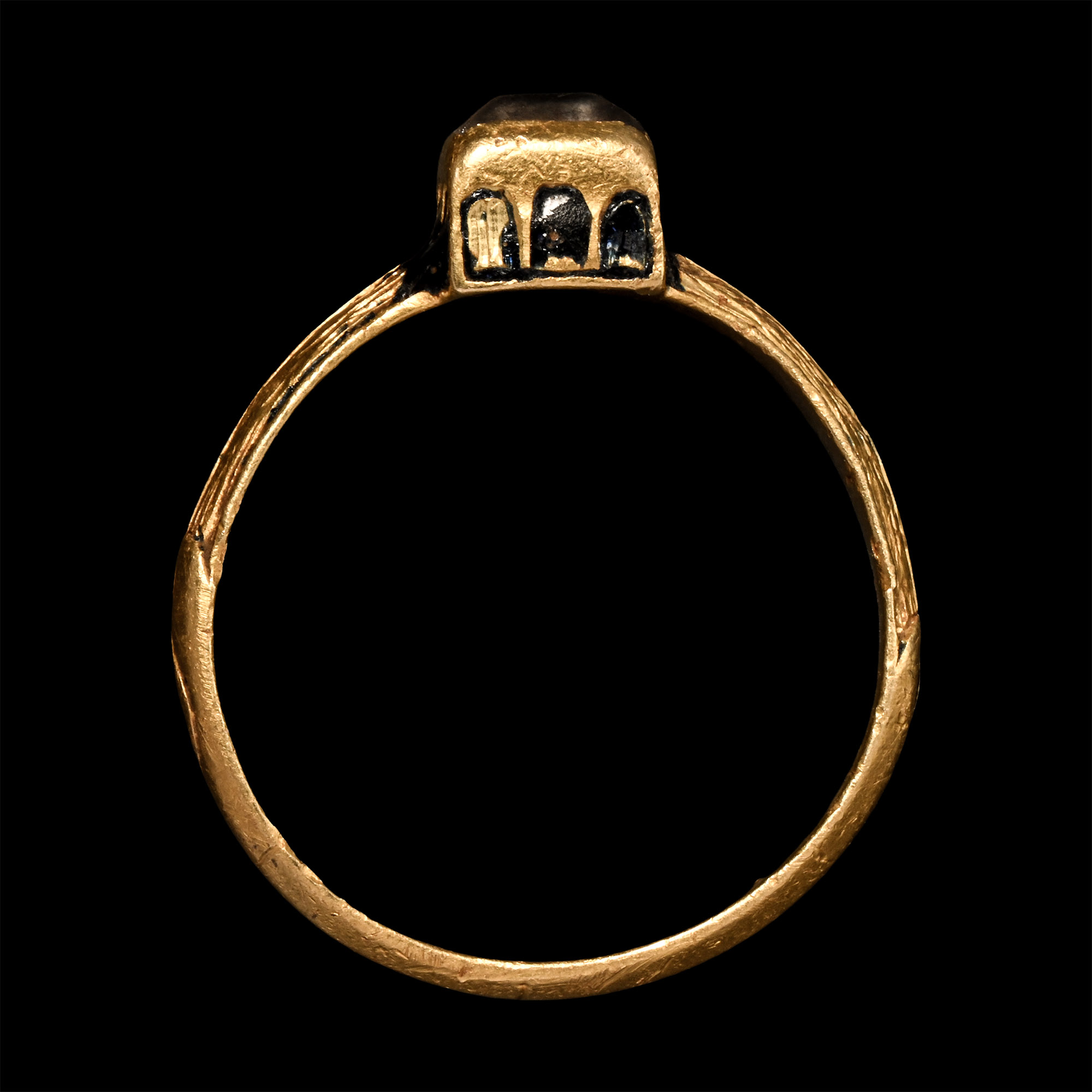
Post Medieval Enamelled Gold Ring with Table-Cut Rock Crystal Gemstone
NETHERLANDS, 17TH CENTURY A.D.
1 in. (3.10 grams, 23.84 mm overall, 17.41 mm internal diameter (approximate size British N 1/2, USA 6 3/4, Europe 14.35, Japan 13)).
D-section hoop with carinated profile, ribbing to the shoulders, square bezel with arcade detailing to the base, and inset table-cut crystal.
ProvenanceBy repute from Maastricht, Netherlands.
Acquired on the European art market.
Cf. Chadour, A.B., Rings. The Alice and Louis Koch Collection, volume I, Leeds, 1994, items 688, 694, for type.
CONDITIONTimeLine Auctions follows a vetting process to ensure the authenticity and legality of all items, reinforcing our commitment to integrity and responsible trading. Each antiquity, antique, and coin lot undergoes thorough examination by a vetting committee of at least ten external specialists, professional trade association members, scientists, and archaeologists: Our Vetting Process
AUCTIONS:
TimeLine is a leading auction house specialising in antiquities, ancient art, collectables, natural history, coins, medals, and books. Our auctions offer museums, collectors, historians, and enthusiasts the opportunity to acquire unique and historically significant pieces.
LOT 0404
Post Medieval Enamelled Gold Ring with Table-Cut Rock Crystal Gemstone
Sold for (Inc. bp): £1,560
-
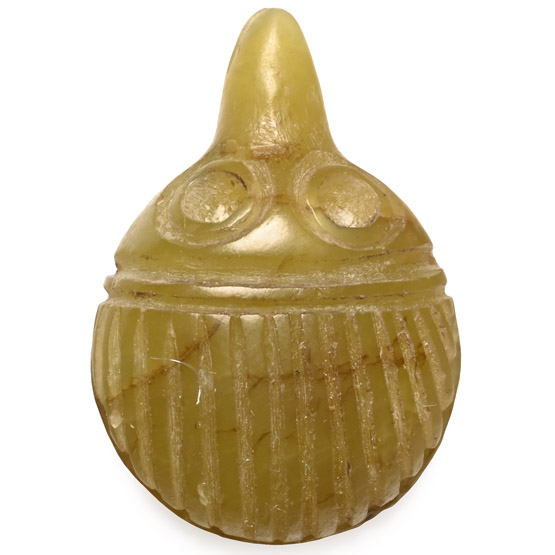
Egyptian Style Green Stone Hedgehog Amulet
20th century A.D. or earlierEstimate: £100 - 140 (+bp*)
Opening Bid: £50
Plano-convex in section, asterisk to underside, eyes drilled to accept inserts. 1.58 grams, 19 mm
Acquired on the European art market in the early 2000s. with Galerie Rhéa, Zurich, Switzerland. -
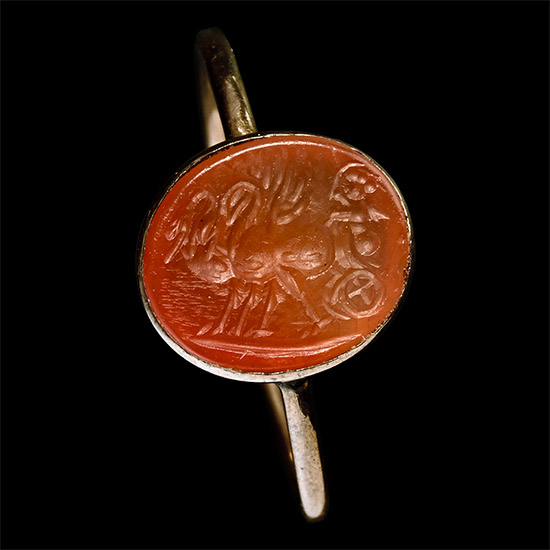
Sasanian Style Gold Ring with Cupid and Chariot
18th century A.D.Estimate: £500 - 700 (+bp*)
Opening Bid: £250
Slender hoop with cell set with a carnelian intaglio of Cupid driving a chariot pulled by two swans; supplied with a museum-quality impression. 1.62 grams, 22.03 mm overall, 18.31 x 16.45 mm internal diameter (approximate size British O, USA 7, Europe 14.98, Japan 14)
Private collection, Europe. Acquired on the English art market. -
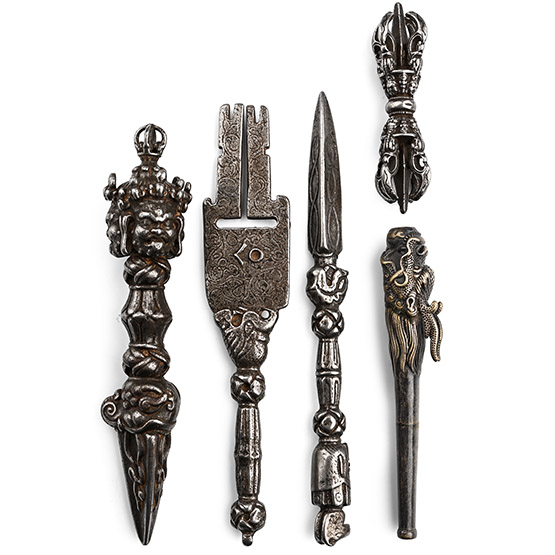
Tibetan Iron Ceremonial Buddhist Artefact Group
20th century A.D.Sold for (Inc. bp): £117
Including a key with slotted bit and ribbed shank, vajra with bow to each end and other types. 520 grams total, 7.6-16.2 cm
Private collection, UK.
