
Loading, please wait...
LOT 1810
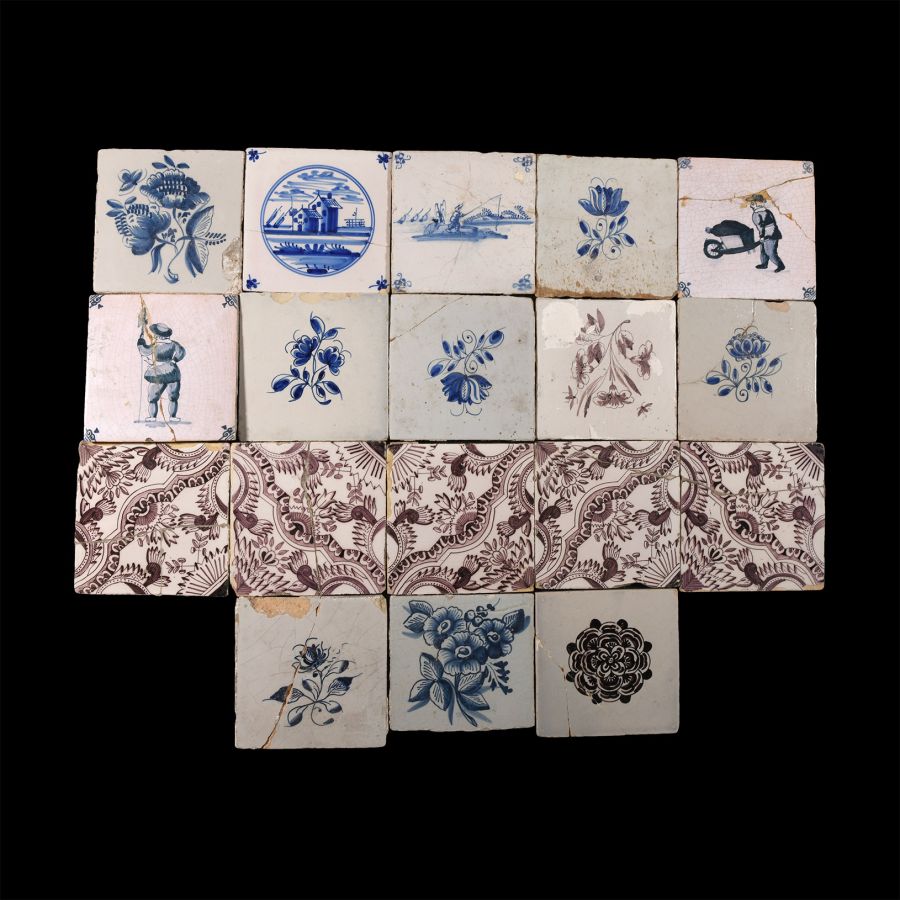
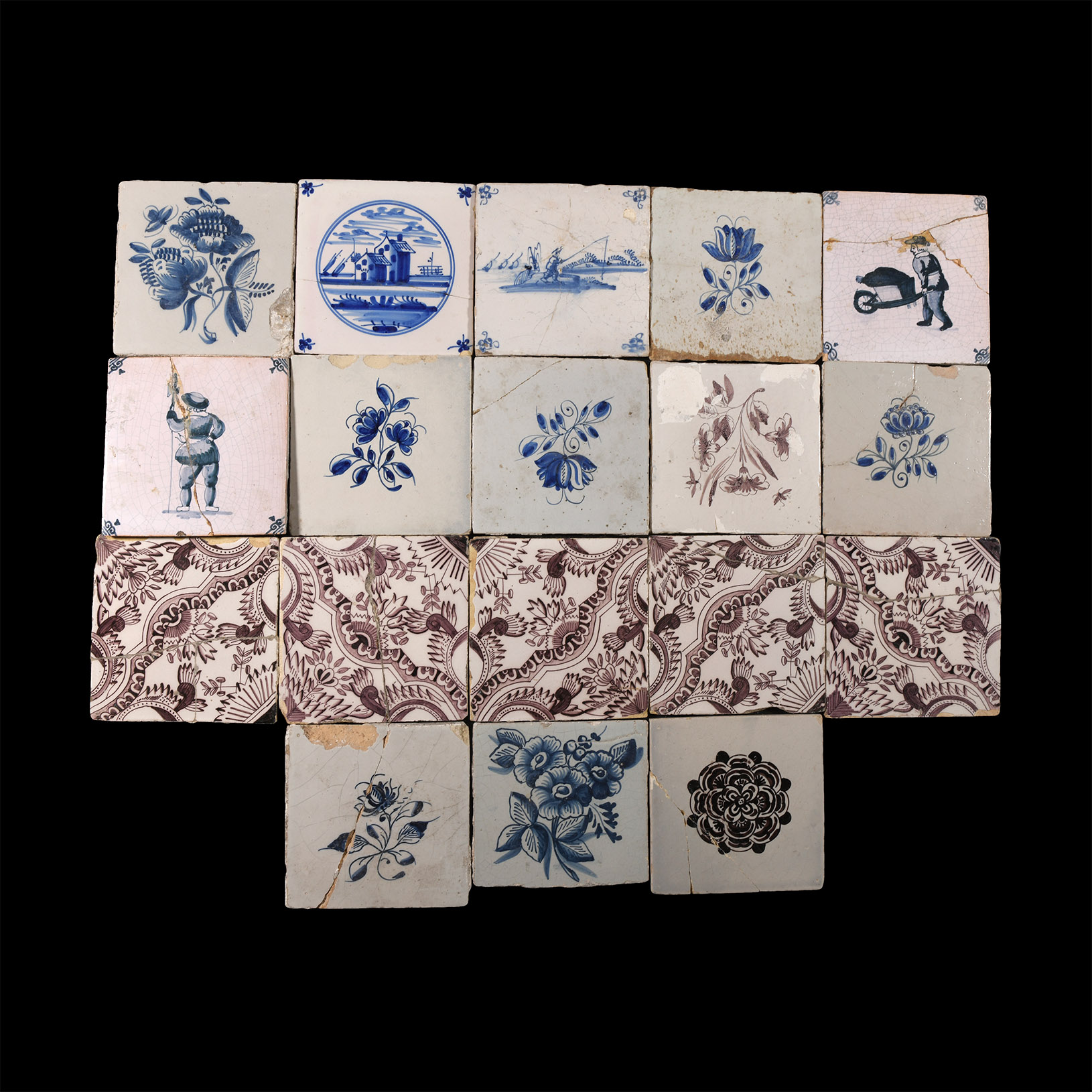
Post Medieval Dutch Glazed Ceramic Tile Group
CIRCA 17TH-18TH CENTURY A.D.
4 3/4 x 5 1/8 - 5 1/8 x 5 1/8 in. (4.5 kg total, 12 x 13 - 13 x 13 cm).
Comprising glazes of various colours and including figural, landscape, floral and vegetal designs. [18]
ProvenanceAcquired 1990s-early 2000s.
East Anglian private collection.
TimeLine Auctions follows a vetting process to ensure the authenticity and legality of all items, reinforcing our commitment to integrity and responsible trading. Each antiquity, antique, and coin lot undergoes thorough examination by a vetting committee of at least ten external specialists, professional trade association members, scientists, and archaeologists: Our Vetting Process
AUCTIONS:
TimeLine is a leading auction house specialising in antiquities, ancient art, collectables, natural history, coins, medals, and books. Our auctions offer museums, collectors, historians, and enthusiasts the opportunity to acquire unique and historically significant pieces.
LOT 1810
Post Medieval Dutch Glazed Ceramic Tile Group
Estimate £100 - 140€120 - 160 (for guidance only)$140 - 190 (for guidance only)
-
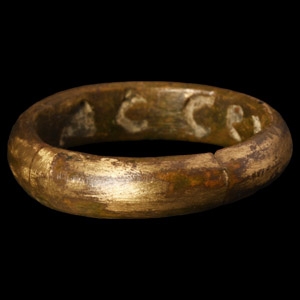
Post Medieval Bronze 'I Accept' Posy Ring
Circa 18th century A.D.Sold for (Inc. bp): £65
With D-section hoop, the inner face bearing the inscription 'I ACCEPT'. 3.49 grams, 20.71 mm overall, 16.34 mm internal diameter (approximate size British K 1/2, USA 5 1/2, Europe 10.58, Japan 10)
English collection, 1980s. Acquired on the UK art market. Ex property of an Essex gentleman. Ex private Merseyside, UK, collection.
The legend 'I ACCEPT' does not appear in Evans's catalogue although longer forms such as 'Accept my good will' are recorded there. -
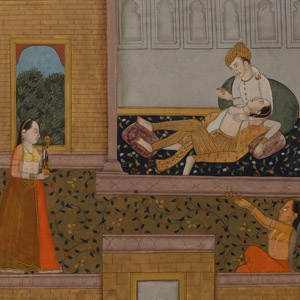
Framed Watercolour Painting
India, 20th century A.D.Estimate: £60 - 80 (+bp*)
Opening Bid: £30
Showing figures in an architectural setting, one couple in an intimate embrace in an upper room, a woman walking towards an attendant in a courtyard, carrying a pipe, a man emerging from a doorway; floral border; mounted in a reveal and a glazed wooden frame. 1 kg, 39.5 x 30.5 cm
Very fine condition.
Acquired on the UK art market, 1980s-1990s. The Woodbridge collection of Indo-Persian art. -
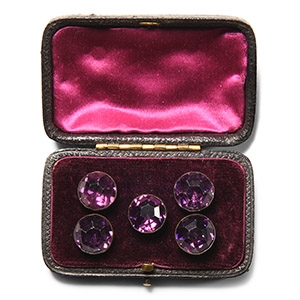
Victorian Silver Button Set with Cut Gems
19th century A.D.Sold for (Inc. bp): £143
Comprising a set of five matching buttons with facetted faux amethyst gems set in silver dome-backed settings with loops for attachment; held in the original leatherette, silk and velvet lined hinged case. 10.73 grams total, 12 mm wide each
From an old English collection formed before 2000. Acquired on the UK art market.
