
Loading, please wait...
LOT 1978
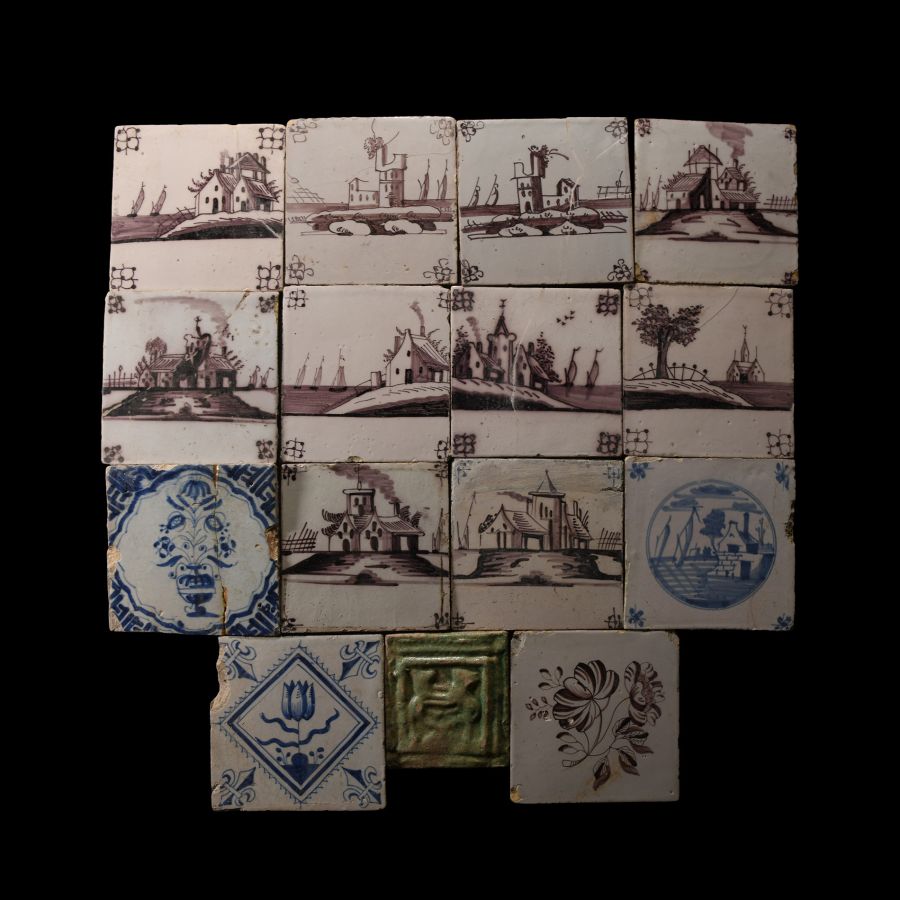
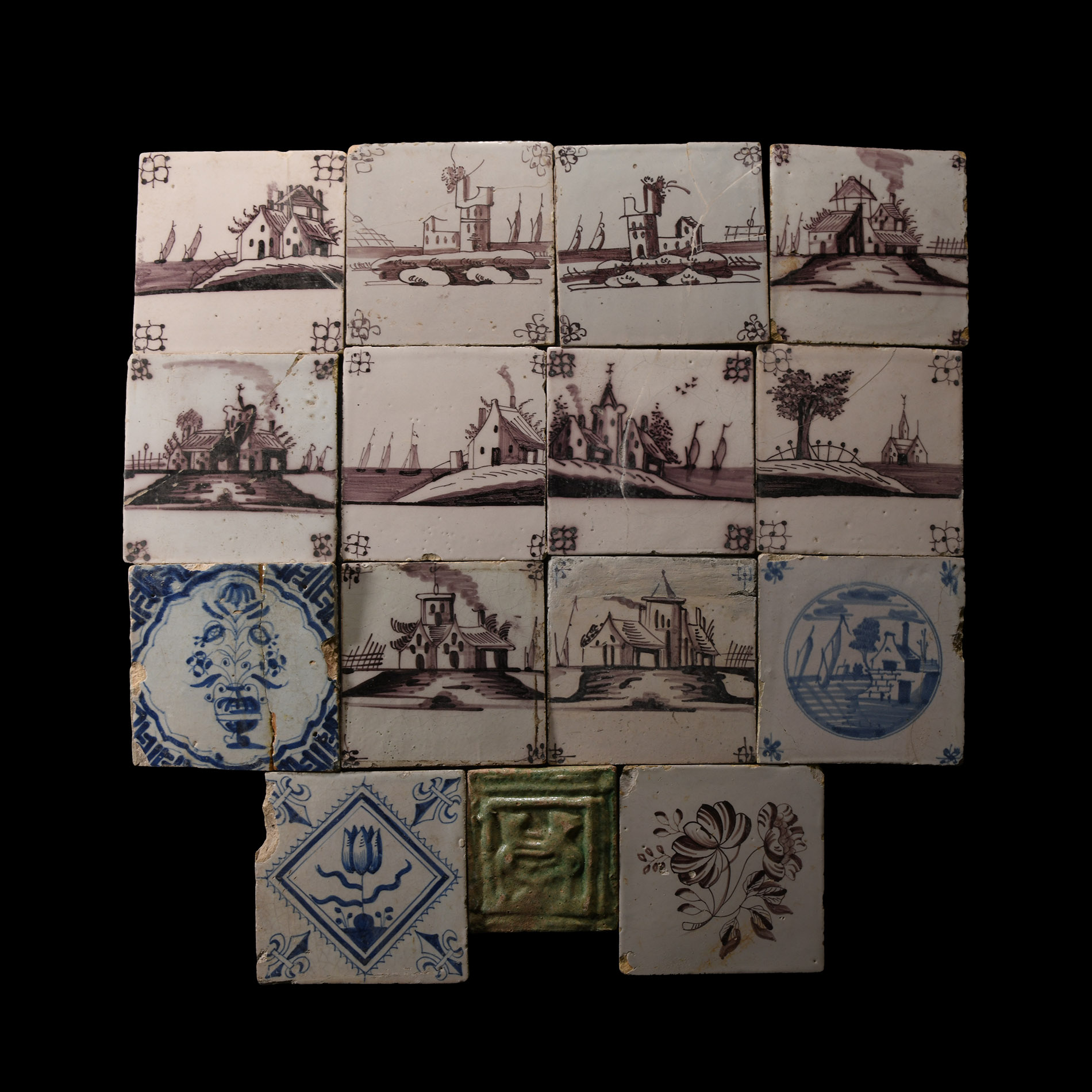
Post Medieval Dutch Glazed Ceramic Tile Group
CIRCA 18TH CENTURY A.D.
3 3/4 x 4 - 5 1/8 x 5 1/8 in. (3.6 kg total, 9.5 x 10.3 - 13 x 13 cm).
Composed of various coloured glazes and mainly displaying floral and landscape scenes featuring sailing ships and buildings. [15]
ProvenanceAcquired 1990s-early 2000s.
East Anglian private collection.
TimeLine Auctions follows a vetting process to ensure the authenticity and legality of all items, reinforcing our commitment to integrity and responsible trading. Each antiquity, antique, and coin lot undergoes thorough examination by a vetting committee of at least ten external specialists, professional trade association members, scientists, and archaeologists: Our Vetting Process
AUCTIONS:
TimeLine is a leading auction house specialising in antiquities, ancient art, collectables, natural history, coins, medals, and books. Our auctions offer museums, collectors, historians, and enthusiasts the opportunity to acquire unique and historically significant pieces.
-
Agate and Other Necklace Bead Group
20th century A.D.Sold for (Inc. bp): £111
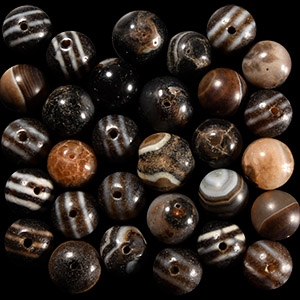
Comprising banded agate spheres displaying various colours, and petrified wood Pumtek beads; drilled for suspension. 248 grams total, 17-18 mm
UK gallery, early 2000s. -
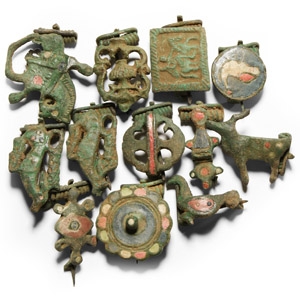
Replica Roman Brooch Group
20th century A.D.Sold for (Inc. bp): £52
Comprising a range of brooch types complete with spring pin, pin and catchplate, many featuring enamelled decoration. 247 grams total, 35-49 mm
Acquired on the UK art market. Property of a Ruislip, UK, gentleman, by inheritance. -
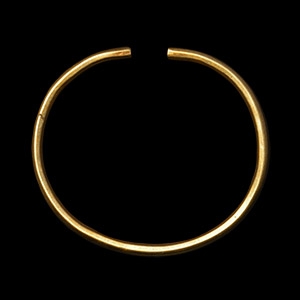
Gold Viking Style Bar Bracelet
20th century A.D. or earlierSold for (Inc. bp): £260
Penannular type with facetted section. 9.16 grams, 48 mm
From the collection of a North American gentleman, formed in the 1990s.
